Overcoming Extracellular Matrix Barriers: Biomaterial-Assisted microRNA Delivery for Fibrous Musculoskeletal Regeneration
Abstract
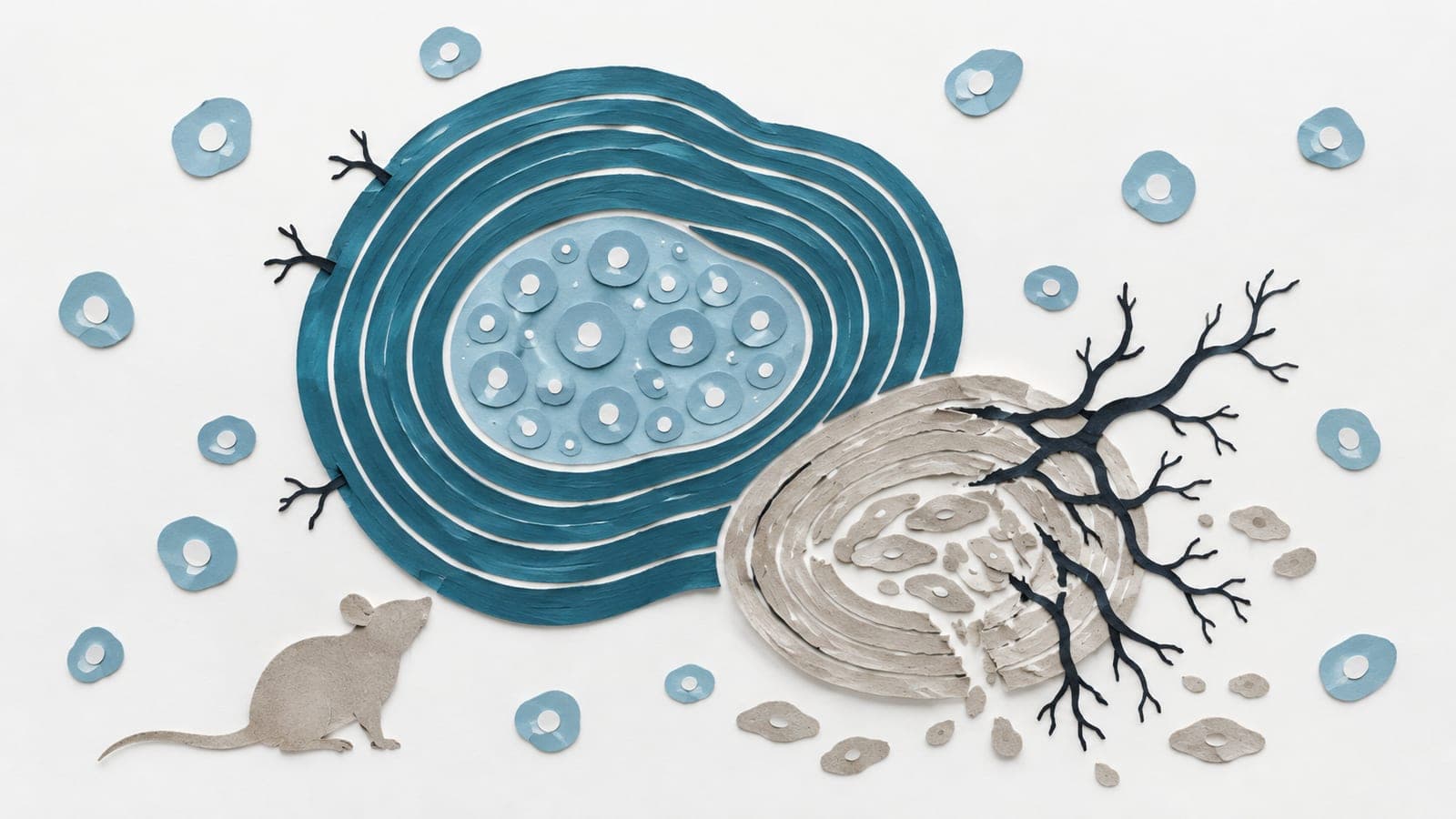
Fibrous musculoskeletal tissues, including tendons, ligaments, fascia, entheses, and aponeuroses, are strengthened by densely organized collagenous extracellular matrix (ECM) but have limited regenerative capacity. The largely avascular, glycosaminoglycan (GAG)-rich ECM restricts cellular entry, slows matrix turnover, and creates substantial barriers to local therapeutic delivery. Within this setting, a subset of microRNAs (miRNAs) coordinates central aspects of degeneration and repair, including inflammation, angiogenesis, apoptosis, matrix synthesis, and mechanotransduction, making them attractive yet incompletely leveraged therapeutic targets. Clinical translation of miRNA-based approaches, however, is hindered by rapid nuclease degradation, limited penetration into dense collagen networks, electrostatic trapping within the ECM, and inefficient endosomal escape after cellular uptake. Recent advances in biomaterials directly address these challenges by designing carriers that are tailored to the structural and biochemical features of fibrous connective tissues. Approaches such as collagen-binding nanoparticles, mechano- and enzyme-responsive systems, injectable hydrogels with programmable release profiles, and exosome-mimetic vesicles have demonstrated improved miRNA stability, tissue retention, and intracellular delivery in preclinical models. However, the absence of cell-specific targeting ligands, pronounced heterogeneity within and across tendons and ligaments, and pathological matrix stiffening in long-term injuries remain major unresolved issues. The review explores how integrating mechanobiology, RNA engineering, and hierarchical biomaterial design could yield delivery platforms with true spatiotemporal control over miRNA activity, aiming to restore structural integrity in musculoskeletal regions where conventional surgical and pharmacological interventions have repeatedly fallen short.
The paper
Hallym University
Aging and Disease, 4 May 2026, Open access