Blood inflammation linked to Alzheimer’s markers in aging adults
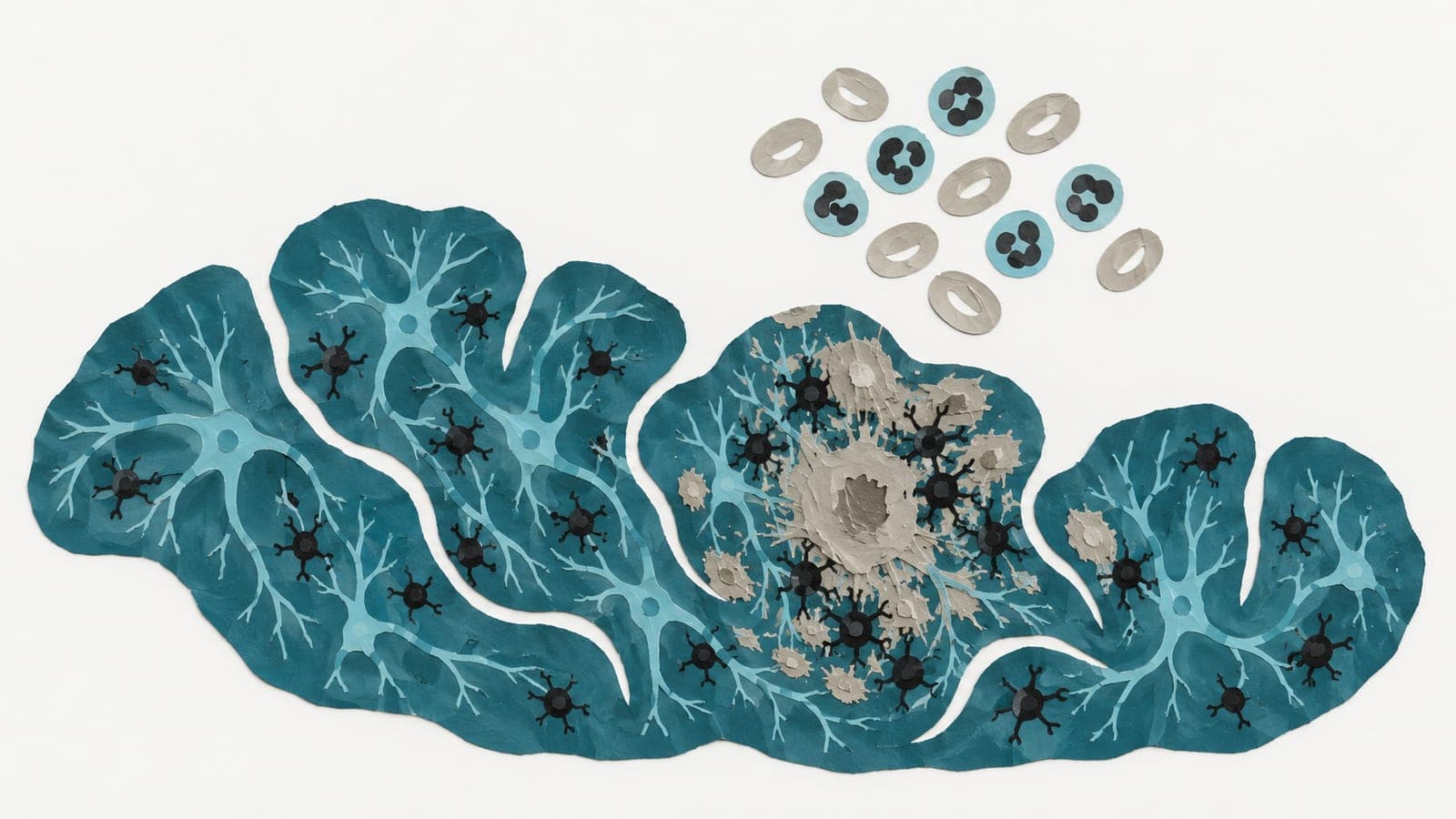
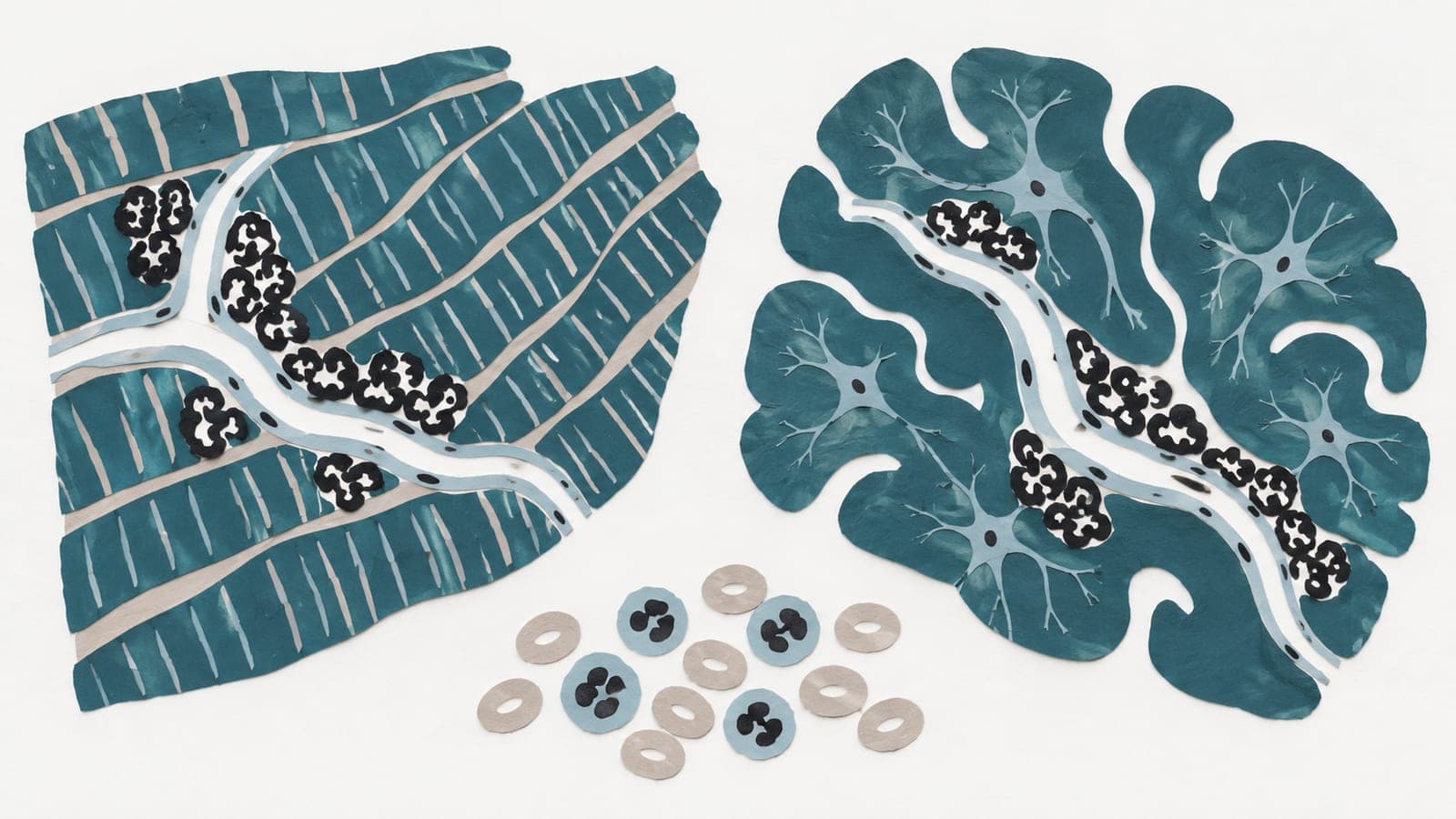
An observational analysis in aging adults without cognitive impairment found that blood inflammation patterns had differing associations with age, sex and Alzheimer’s disease markers.
Our read
Biomarkers- Studied:
- Cross-sectional study of aging adults without cognitive impairment
- What changed:
- Blood inflammation patterns were linked to cerebrospinal fluid amyloid beta ratios, but not corresponding blood plasma ratios
- The catch:
- Age and sex also tracked inflammation networks and could confound links to Alzheimer’s markers
Editor of record: Boris Djordjevic · AgingResearch.News
In aging adults without cognitive impairment, researchers conducted an observational analysis of blood inflammation markers. They modeled relationships among the markers and examined how network patterns were associated with age, sex, Alzheimer’s disease biomarkers and immune health history.
Different patterns had different associations. Several were linked to the ratio of two forms of amyloid beta, an Alzheimer’s-related protein, in cerebrospinal fluid—the fluid around the brain and spinal cord. No network showed a statistically significant association with the corresponding ratio in blood plasma. Some patterns were linked to age or sex. Two were associated only with sex among the factors examined. Another pattern was associated with cumulative exposure to surgical procedures.
Why it matters
Blood markers help researchers study inflammation in aging and Alzheimer’s disease. This analysis addresses how to interpret those measurements when investigating immune changes in later life.
Caveats
This observational analysis cannot establish cause and effect. The findings in adults without cognitive impairment do not establish whether the same relationships occur in people with cognitive impairment.
The paper
University of Colorado Anschutz
Neurobiology of Aging, May 9, 2026, Open access


Comments
Be the first to comment.