Aging, inflammation, and oxidative stress converge on semen quality in Oravka roosters
Abstract
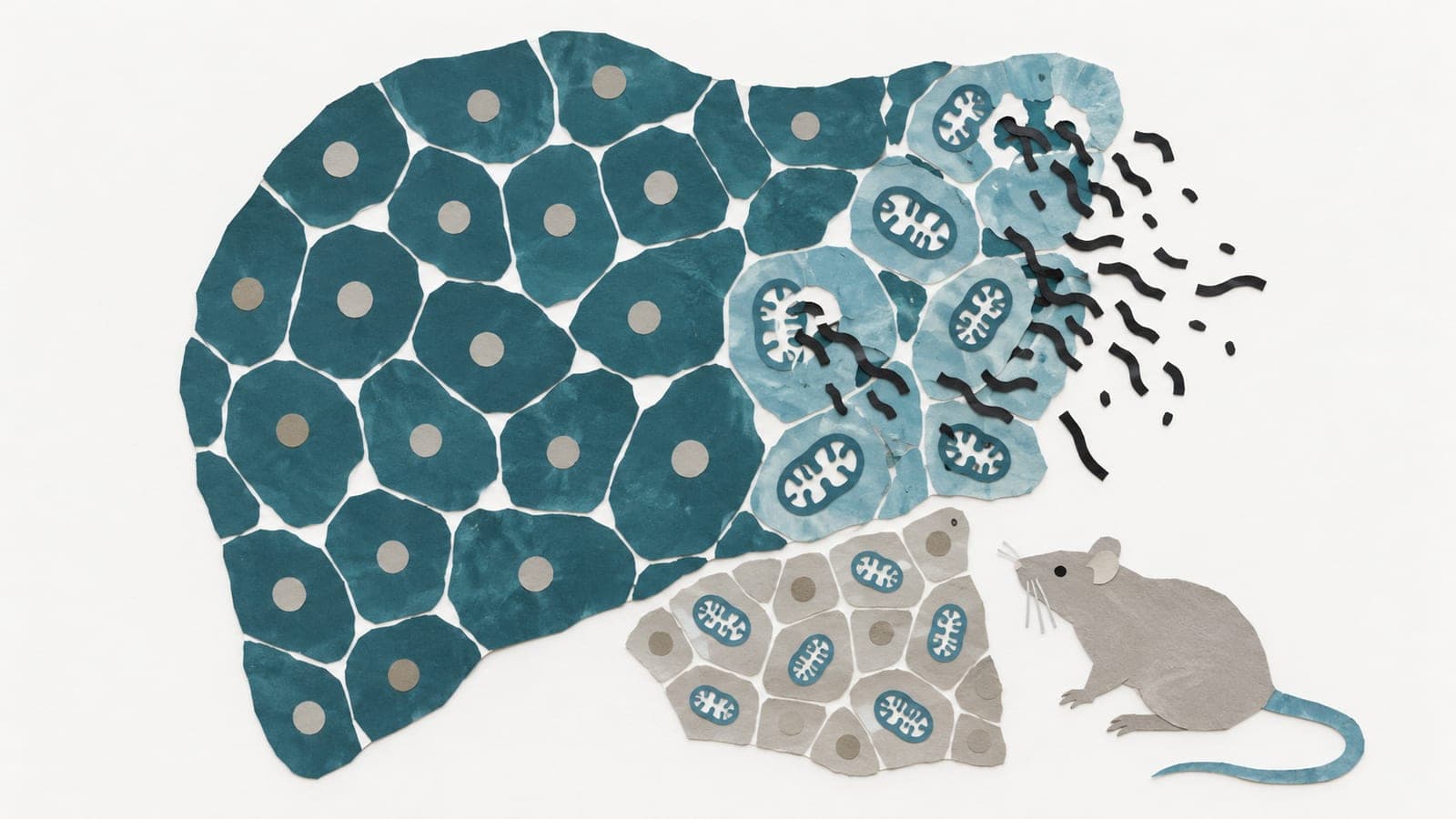
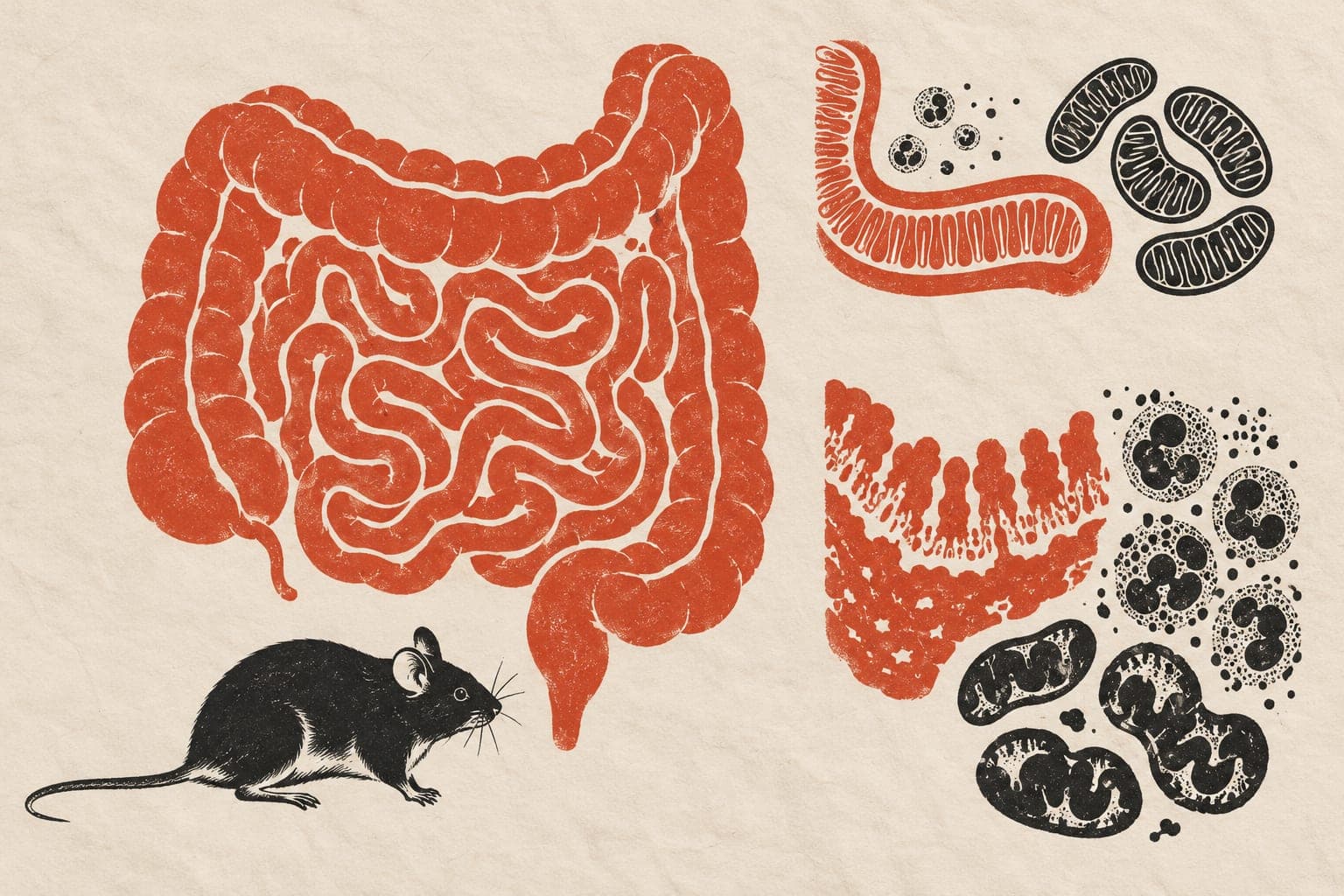
Across one year of ageing, we characterized how semen quality deteriorates in Oravka roosters, an endangered Slovak chicken breed. Ejaculates were collected from the same mature males at approximately 62.5 weeks (Year 1) and 114.5 weeks (Year 2). We combined computer-assisted sperm analysis (CASA) of motility and kinematics with assessments of plasma membrane and acrosome integrity, phosphatidylserine externalization, membrane lipid organization, mitochondrial membrane potential, ATP metabolism, DNA integrity, oxidative status, seminal plasma biochemistry, antibacterial proteins, cytokines, immunoglobulins, Gram-negative and total aerobic bacterial loads, endotoxin and culturable seminal microbiota composition. Year 2 samples showed consistent declines in total and progressive motility, velocities and linearity, together with reduced membrane integrity and acrosome-intact fractions and higher Annexin V-, merocyanine- and propidium iodide-positive signals, indicating progressive membrane destabilization. Older ejaculates also exhibited mitochondrial depolarization, lower ATP, increased DNA fragmentation, higher reactive oxygen species production, increased lipid and protein oxidation and reduced total antioxidant capacity. Biochemically, semen from older roosters displayed lower pH and bicarbonate, increased osmolarity, sodium/potassium imbalance, and reduced calcium/magnesium, defining a less permissive extracellular milieu. Bacteriologically, Year 2 ejaculates showed higher Gram-negative and aerobic loads, elevated endotoxin and a shift from lactic acid-dominated communities to Escherichia coli- and Pseudomonas-rich profiles, together with reduced antibacterial proteins and a more pro-inflammatory cytokine pattern. Collectively, these data indicate that microbial and oxidative-inflammatory drift, membrane remodeling, mitochondrial dysfunction and biochemical imbalance jointly drive the age-linked decline in Oravka semen quality, and provide baseline evidence for selecting the age window and pre-collection management conditions for future conservation-oriented semen collection in this breed.
The paper
Slovak University of Agriculture in Nitra
Poultry Science, 1 May 2026, Open access