Clostridium butyricum and its metabolite spermidine delay cognitive decline during natural brain aging by reducing inflammation and oxidative stress
12 rats, randomised
Abstract
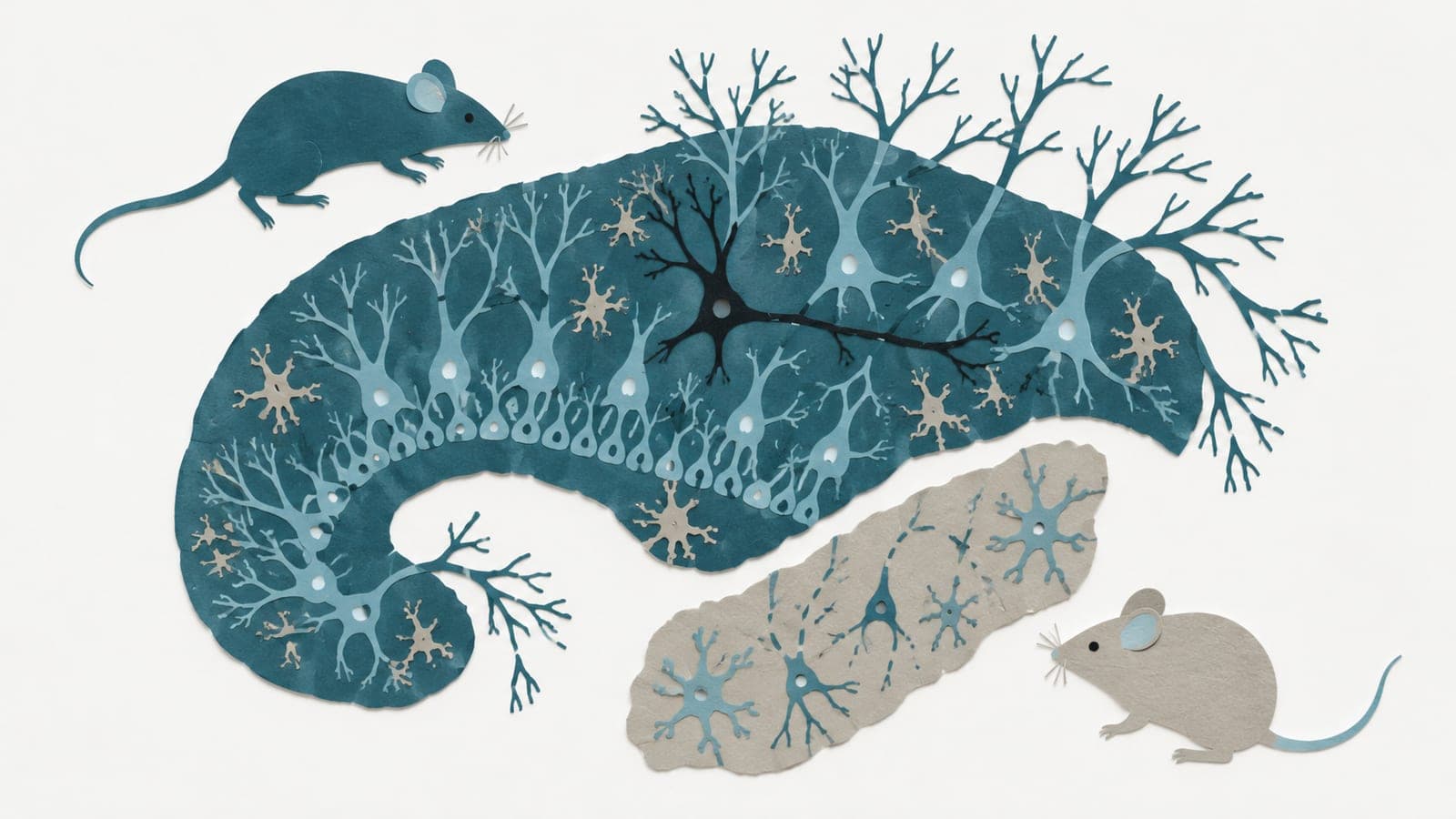
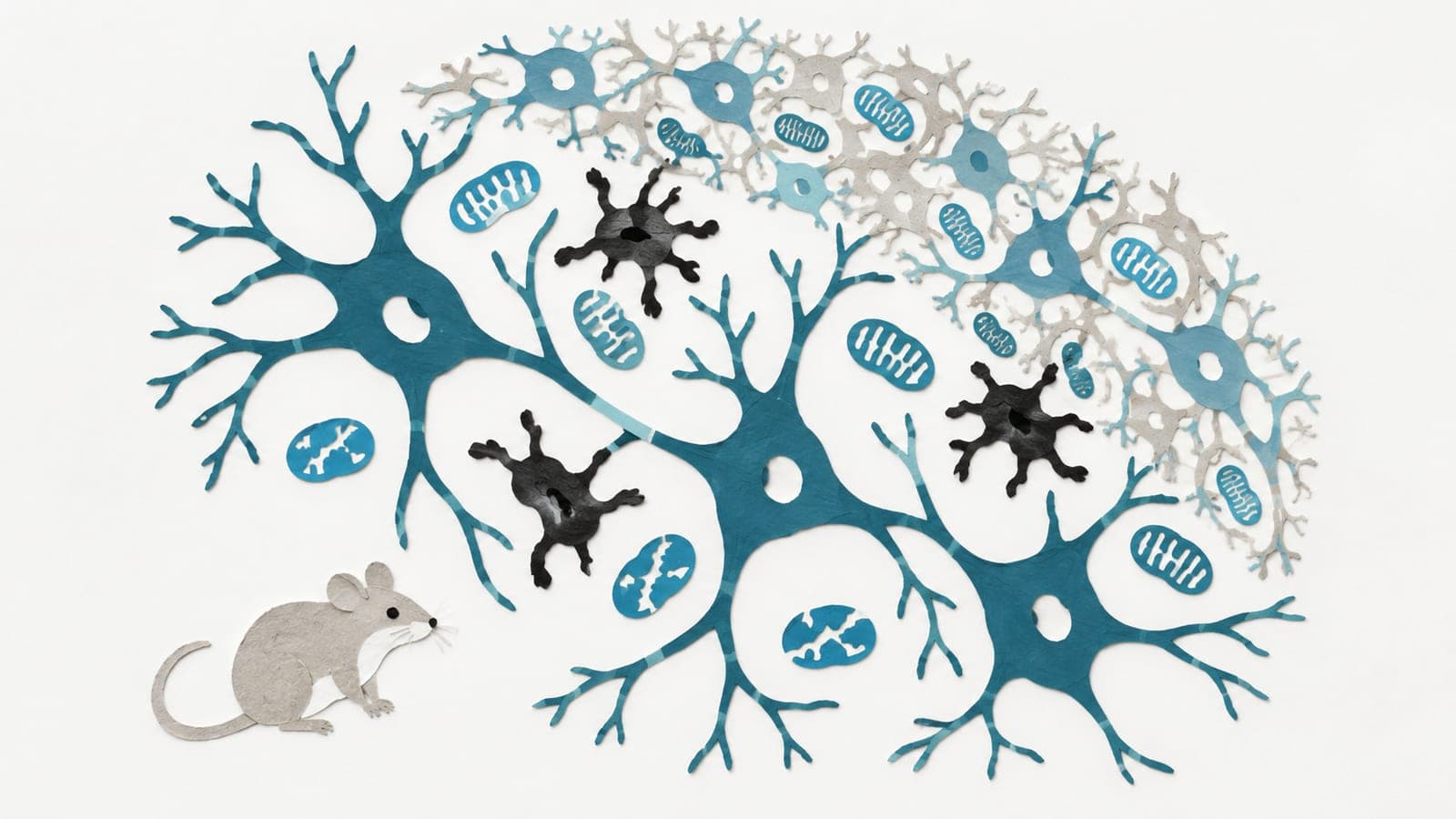
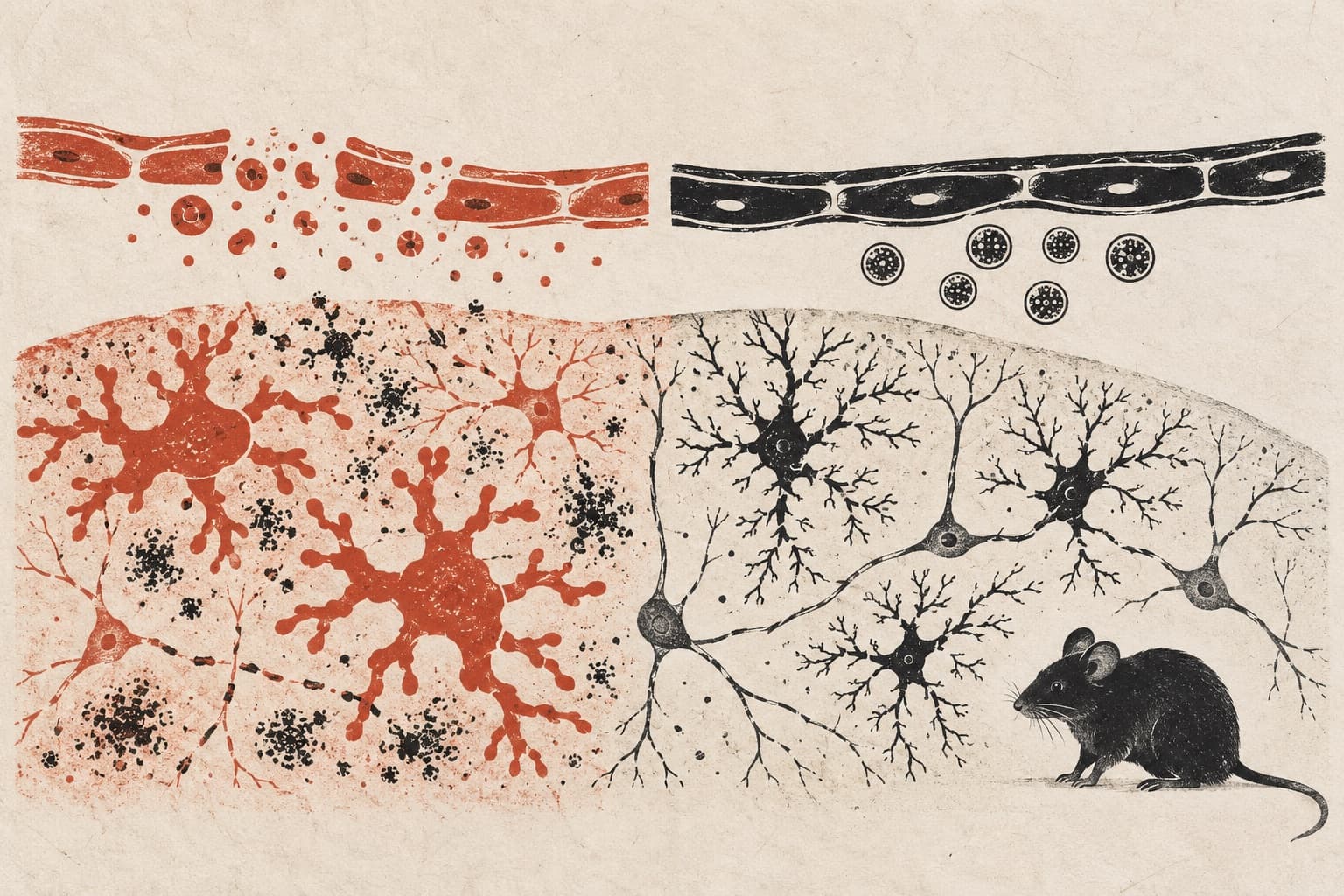
Brain aging primarily manifests as cognitive decline. Spermidine (SPD) is known to ameliorate age-related cognitive decline, and the gut microbiota is an important source of SPD. Clostridium butyricum (C. butyricum), a probiotic, can alleviate cognitive decline in individuals with various neurodegenerative diseases, and C. butyricum might generate SPD. However, the role of C. butyricum in natural brain aging and the efficacy of C. butyricum and the metabolite SPD in ameliorating age-related cognitive decline remain unclear. Here, we investigated the effects of C. butyricum and its metabolite SPD on cognitive decline during natural brain aging and the mechanisms underlying these effects. Aged rats (aged 17 months, n = 12 per group) were randomly divided into normal saline (NS), C. butyricum (1 ×10⁸∼10⁹ CFU/ml, by gavage for two months) and SPD (6.5 mg/kg/d, by gavage for one month) groups. Compared with the NS group, the C. butyricum and SPD groups presented improved spatial reference and recognition memory, reduced aging marker levels by immunohistochemical staining, improved synaptic plasticity-related tissue structure by transmission electron microscopy and Golgi staining, and increased level of synaptophysin and BDNF by immunofluorescence staining and western blotting in the brain. Furthermore, treatment with C. butyricum and SPD enhanced intestinal barrier function and decreased serum proinflammatory factor levels and brain tissue damage due to oxidative stress. There were no significant differences in relevant indicators between the C. butyricum and SPD groups. In conclusion, C. butyricum and its metabolite SPD may delay the cognitive decline caused by normal brain aging by reducing oxidative stress and inflammation.
The paper
Shanxi Medical University
Behavioural Brain Research, 4 May 2026, Open access