Synthetic Novel Flavonoids SZQ-4 Suppress Osteoclastogenesis and Ameliorate Osteoporosis via Inhibiting Reactive Oxygen Species and Regulating SIRT3
Abstract
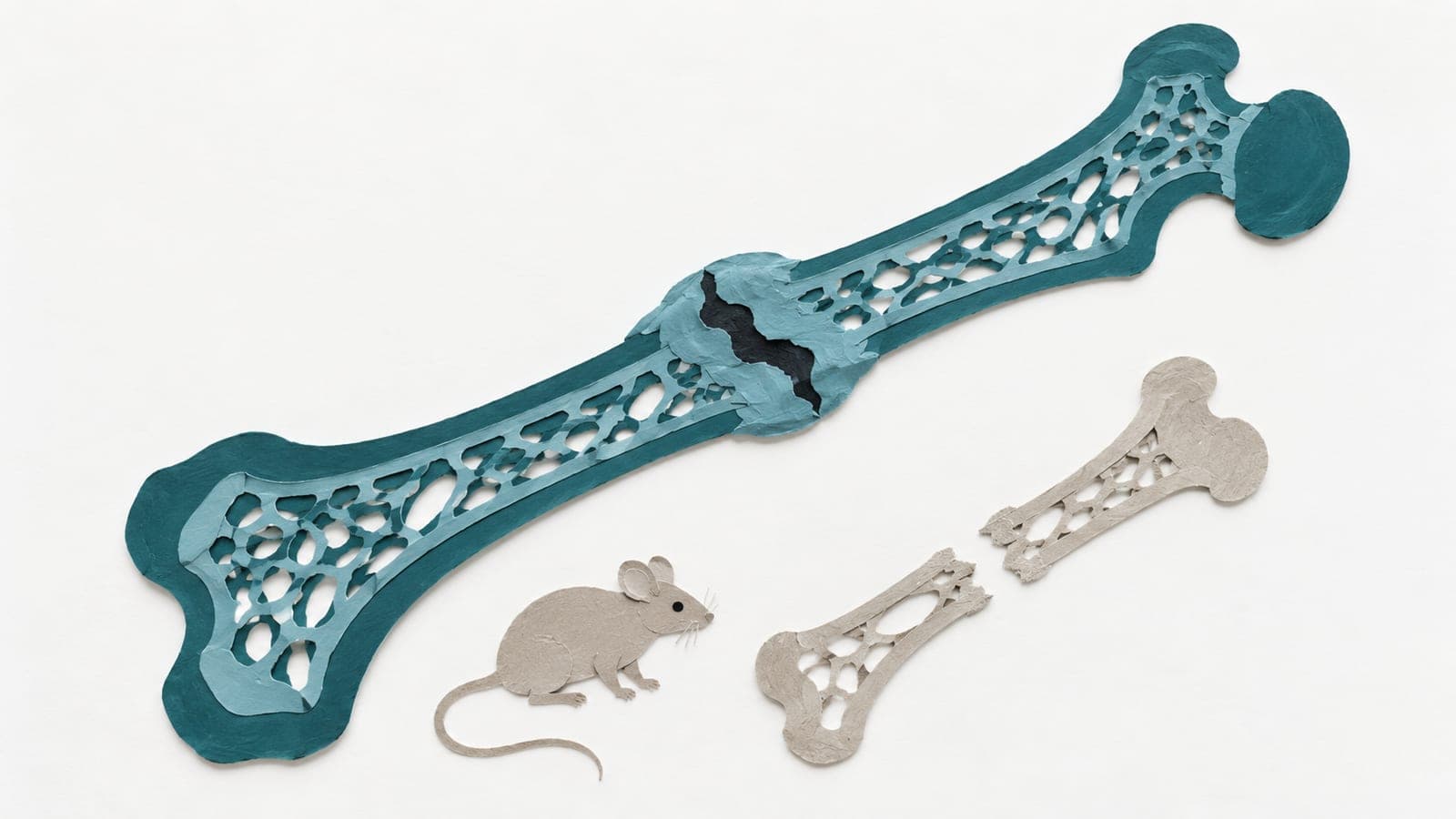
The global prevalence of osteoporosis is rising, particularly among the elderly and post-menopausal population. Although natural flavonoids can inhibit osteoclast overactivation, their low abundance and extraction challenges limit clinical translation. In this study, we synthesized a flavonoid derivative, SZQ-4, and evaluated its therapeutic potential for post-menopausal osteoporosis (PMO). Using an RANKL-induced osteoclastogenesis model in vitro, we demonstrated through TRAP staining, RT-qPCR, and bone resorption assays that SZQ-4 significantly suppresses osteoclast formation and activity. Mechanistically, RNA-seq, Western blot, siRNA knockdown, and plasmid-based overexpression experiments revealed that SZQ-4 reduces RANKL-induced reactive oxygen species (ROS) production, regulates SIRT3 expression, and improves mitochondrial function, thereby attenuating osteoclast differentiation. In an ovariectomy-induced bone loss mouse model, SZQ-4 treatment markedly alleviated femoral bone loss, decreased osteoclast numbers, and lowered ROS levels in the bone marrow microenvironment. Collectively, our findings indicate that SZQ-4 inhibits osteoclast-driven bone resorption by modulating the ROS-SIRT3-mitochondrial function axis, highlighting its potential as a candidate for preventing pathological bone loss.