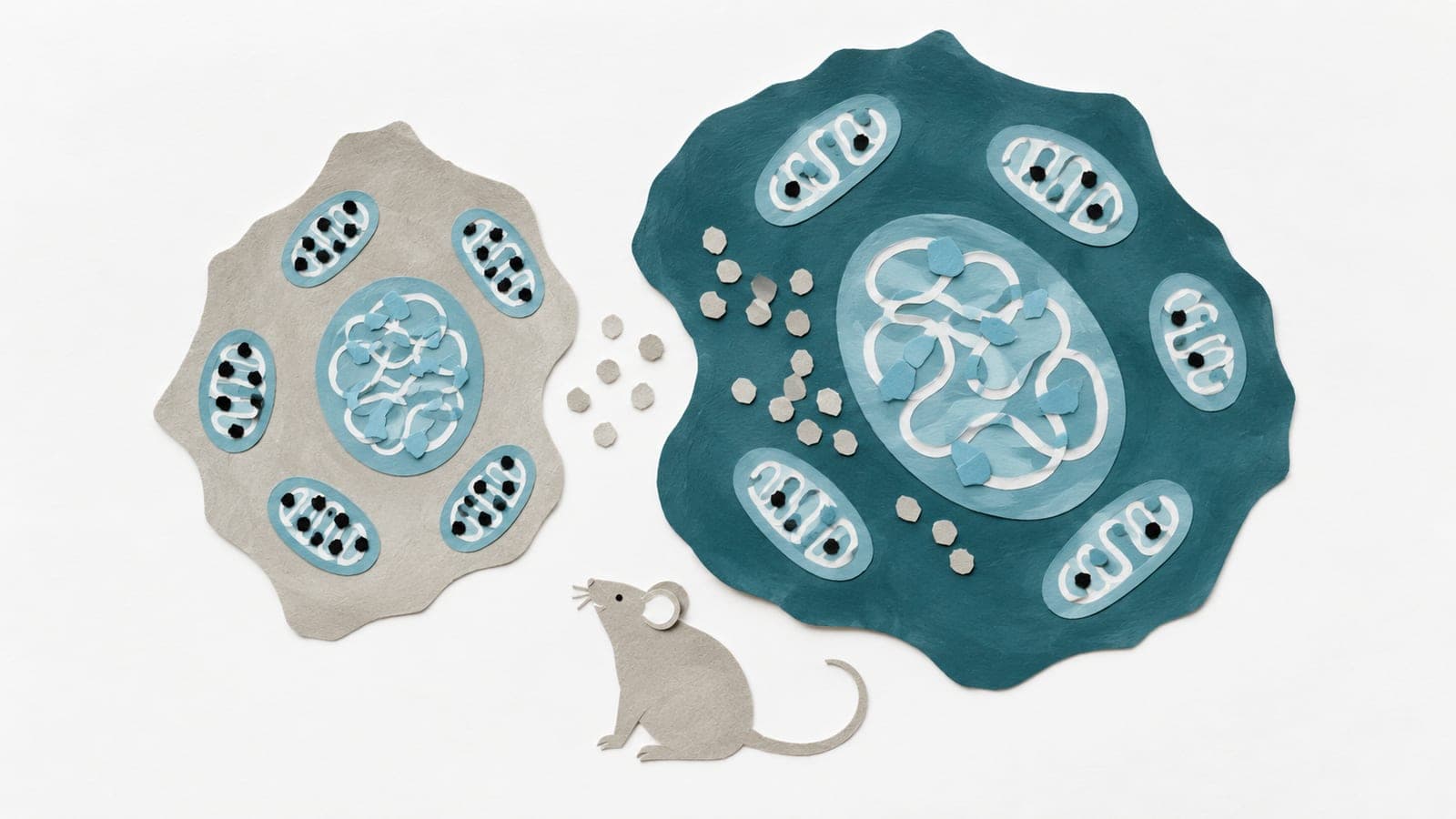
Vitamin D receptor/sirtuin 3 pathway mediates the cardioprotective effects of aerobic exercise in diabetic mice
Abstract
Aerobic exercise ameliorates diabetic cardiomyopathy (DCM) by improving myocardial mitochondrial function; however, the underlying mechanisms remain unclear. Vitamin D alleviates DCM by upregulating vitamin D receptor (VDR) expression, and aerobic exercise also increases VDR expression. Whether VDR mediates the cardioprotective effects of aerobic exercise against DCM remains unknown. This study aims to probe whether aerobic exercise alleviates DCM by upregulating VDR. A DCM mouse model was established using male C57BL/6J mice via high-fat diet feeding and streptozotocin injection, while mice fed a standard diet served as controls. Cardiac-specific VDR knockdown and overexpression were achieved via recombinant adeno-associated virus-mediated delivery in diabetic mice. Diabetic mice were further subjected to vitamin D₃ supplementation and exercise intervention. Additionally, H9C2 cardiomyocytes were exposed to high glucose and palmitate to mimic diabetic conditions in vitro. Notably, diabetic mice exhibited significant cardiac mitochondrial dysfunction, along with inflammation, fibrosis, and impaired cardiac function. However, vitamin D₃ supplementation and aerobic exercise upregulated VDR expression and enhanced mitochondrial function, thereby alleviating the pathological manifestations of DCM in diabetic mice. VDR activation also mitigated high glucose and palmitate-induced mitochondrial dysfunction in H9C2 cardiomyocytes, but this effect was abrogated by sirtuin (SIRT)-3 inhibition. These results suggest that VDR promotes SIRT3-dependent enhancement of mitochondrial function, thereby alleviating DCM. Moreover, exercise-induced cardioprotective effects on mitochondrial function were impaired by cardiac-specific VDR knockdown but mimicked by cardiac-specific VDR overexpression. Overall, this study suggests that the VDR/SIRT3 axis is an essential mechanism mediating the cardioprotective effects of aerobic exercise against DCM.
The paper
Shanghai University of Sport
Free Radical Biology & Medicine, 28 Apr 2026