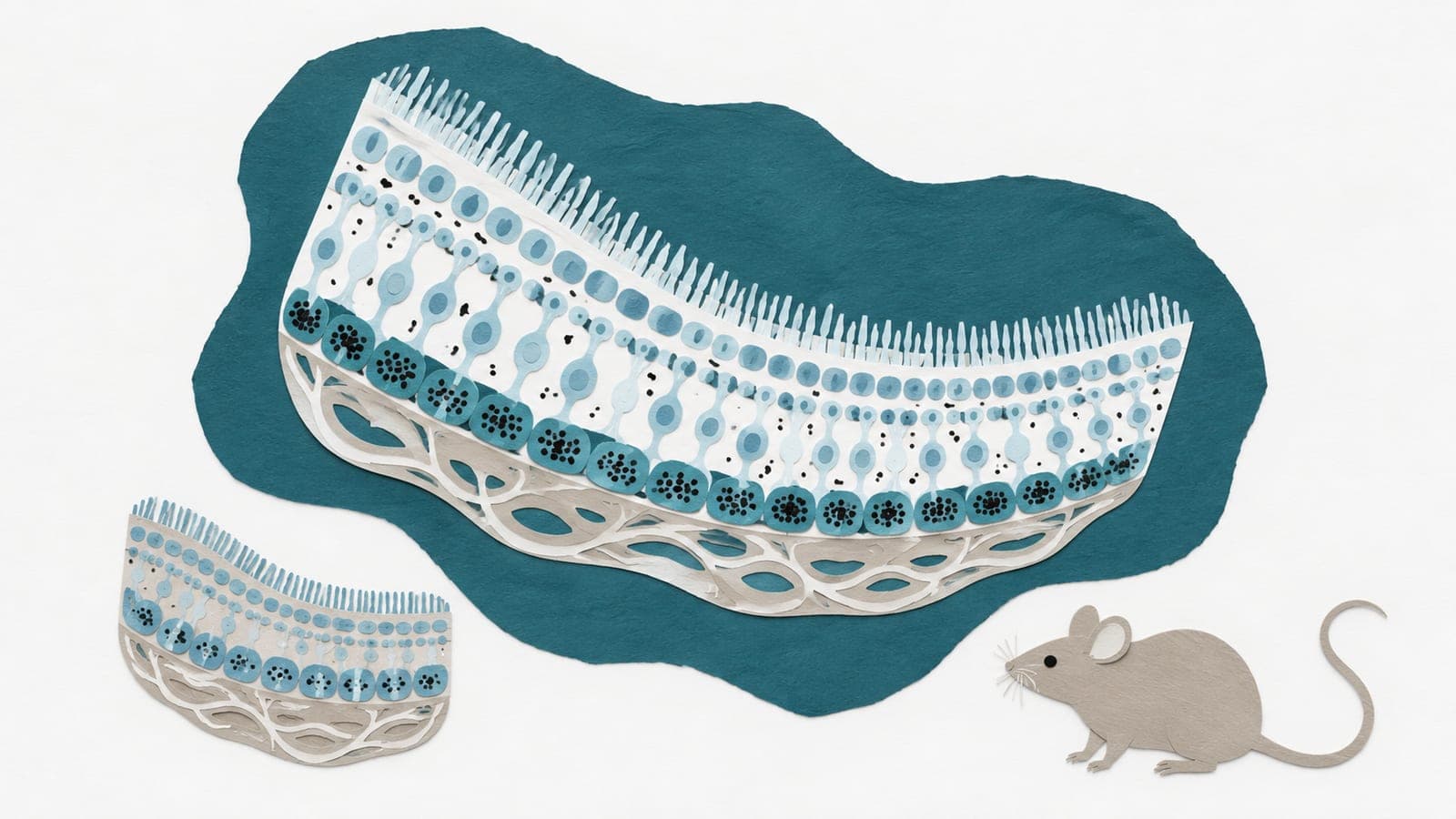
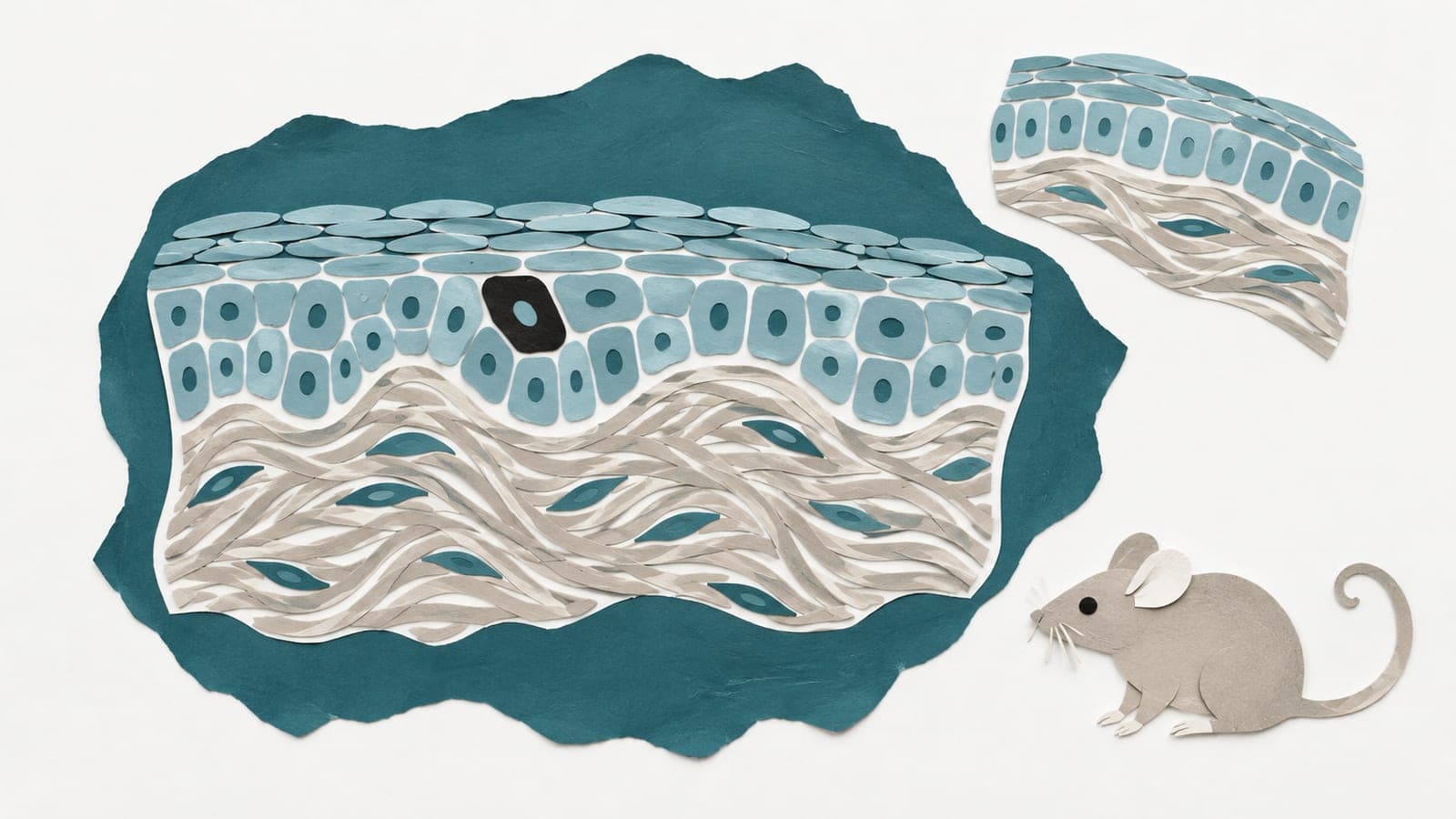
Sex and age influence antioxidant gene expression and oxidative stress markers in the mouse cornea
Abstract
PURPOSE: To determine age- and sex-related differences in antioxidant genes and oxidative stress in the mouse cornea. METHODS: Eyes from 6-8-week- and 9-month-old male and female C57BL/6J wild-type (WT) and xCT knockout (KO) mice -a model of accelerated aging-were examined with the Micron IV slit lamp, OCT attachments and iCare® TONOLAB. Droplet digital PCR was carried out to measure antioxidant genes SOD1, CAT, GPX1, GPX4, PRDX6, TXNRD1, GCLC, and GSR in WT and xCT KO corneas. Immunohistochemistry was used to visualise oxidative stress markers 4-Hydroxynonenal and 8-Hydroxydeoxyguanosine in the different layers of the WT and xCT KO corneas. RESULTS: WT and xCT KO corneas were transparent with age, with both showing an age-related decrease in IOP. Sex-dependent differences were seen in antioxidant genes between WT and xCT KO corneas. Male xCT KO corneas showed increased CAT, GPX1 and GPX4 at 6-8-weeks relative to WT. xCT KO corneas revealed increased GPX1 in both sexes at 9 months of age while female 9-month-old xCT KO corneas showed increased GPX4 compared to WT. TXNRD and GCLC was reduced in 6-8-week-old female xCT KO corneas. 4-HNE levels were unchanged, but 8-OhDG was elevated in xCT KO corneas across ages and sexes, especially in males and notably in the endothelium. CONCLUSION: This study reveals age and sex dependent differences in the expression of antioxidant defence genes and oxidative stress markers in the mouse cornea highlighting the importance of biological sex when studying corneal diseases that involve oxidative stress as an underlying mechanism.
- SLC7A11
- Oxidative stress and ROS signalling
- 4-hydroxynonenal
- 8-hydroxydeoxyguanosine
- Intraocular pressure
- Mice
The paper
University of Auckland
Experimental Eye Research, 20 Apr 2026, Open access