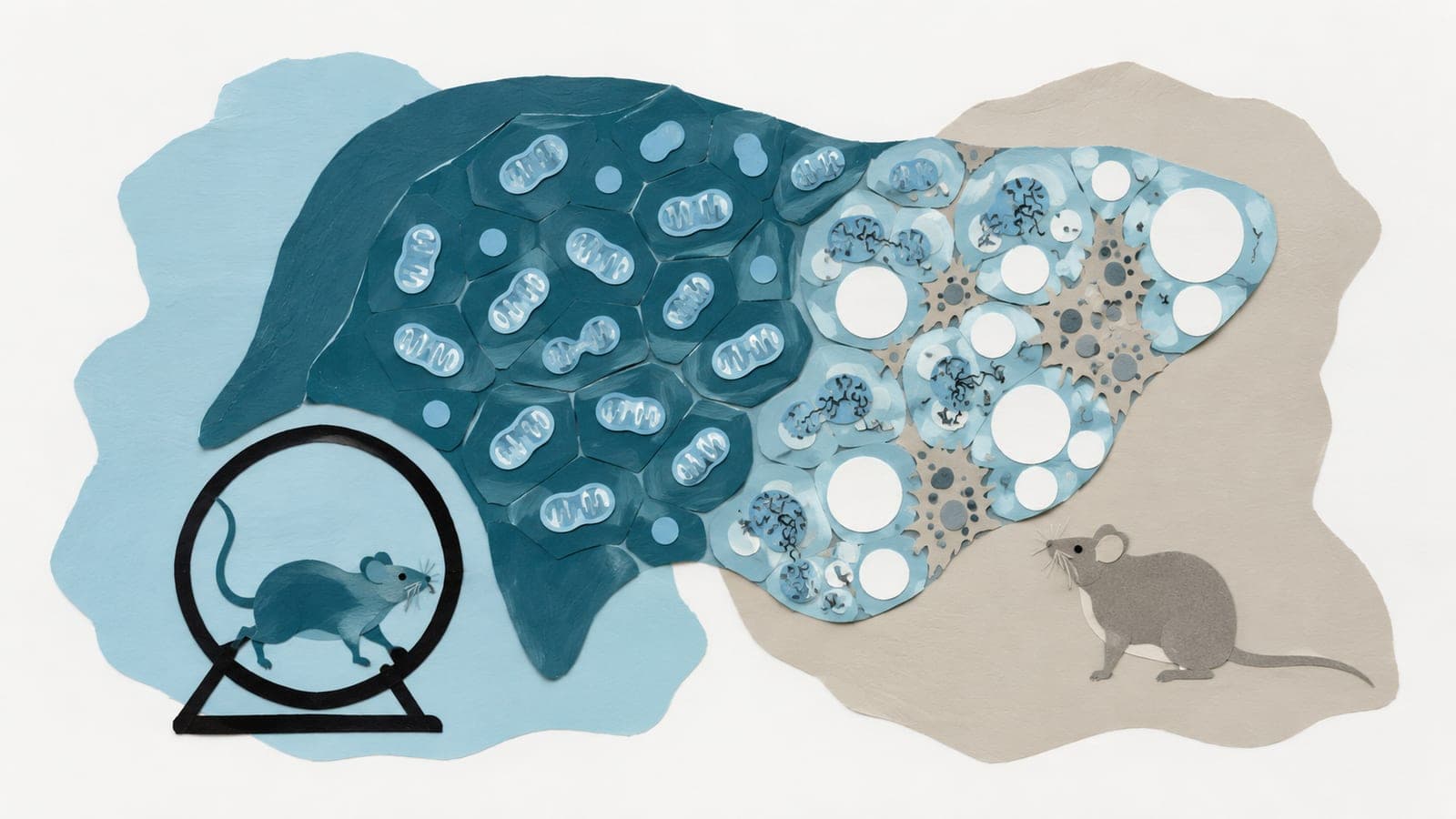
Hydrogen gas with hypothermic machine perfusion induces lipidomic alterations in donation-after-cardiac-death rat livers
Abstract
Hypothermic machine perfusion (HMP) combined with hydrogen gas has previously been shown to mitigate ischemia-reperfusion injury (IRI) in rat liver, but without full recovery of function. This study examined how hydrogen gas modulates hepatic lipid metabolism during HMP using donation after cardiac death (DCD) rat livers. Untargeted liquid chromatography-mass spectrometry was employed to perform comprehensive lipidomic profiling of liver samples. The analysis results revealed distinct lipid metabolic alterations across cold storage, machine perfusion (MP), and hydrogen-supplemented perfusion (MP-H2) groups compared to healthy controls. Compared with MP, MP-H2 treatment reduced lysophosphatidylinositol (LPI) levels and the LPI/phosphatidylinositol ratio while increasing phosphatidic acid (PA) species such as PA (18:0/18:1) and PA (18:0/20:4). Elevated lysophosphatidylethanolamine and ceramide in MP-H2 suggested adaptive remodeling of membrane lipids. The ratio of monolysocardiolipin to cardiolipin increased in the MP group, but was reduced following hydrogen gas treatment. These lipidomic shifts imply that hydrogen gas attenuates IRI by stabilizing lipid homeostasis and may improve DCD graft viability. Furthermore, the restoration of key lipid species associated with mitochondrial integrity and membrane remodeling suggests that hydrogen gas supports bioenergetic recovery and limits oxidative membrane damage during reperfusion. Overall, these findings highlight the potential of hydrogen-enriched perfusion as a metabolic intervention to enhance organ preservation, reduce mitochondrial dysfunction, and extend the useable lifespan of DCD liver grafts for transplantation.
- Hydrogen
- Hypothermic machine perfusion
- Lipid and ceramide metabolism
- Mitochondrial fission and fusion
- Cardiac death
- Rats
The paper
Hokkaido University
Journal of Lipid Research, Apr 16, 2026, Open access