The Caenorhabditis elegans mitochondrial electron transport chain: its role in adaptation, longevity, and biotechnology
Abstract
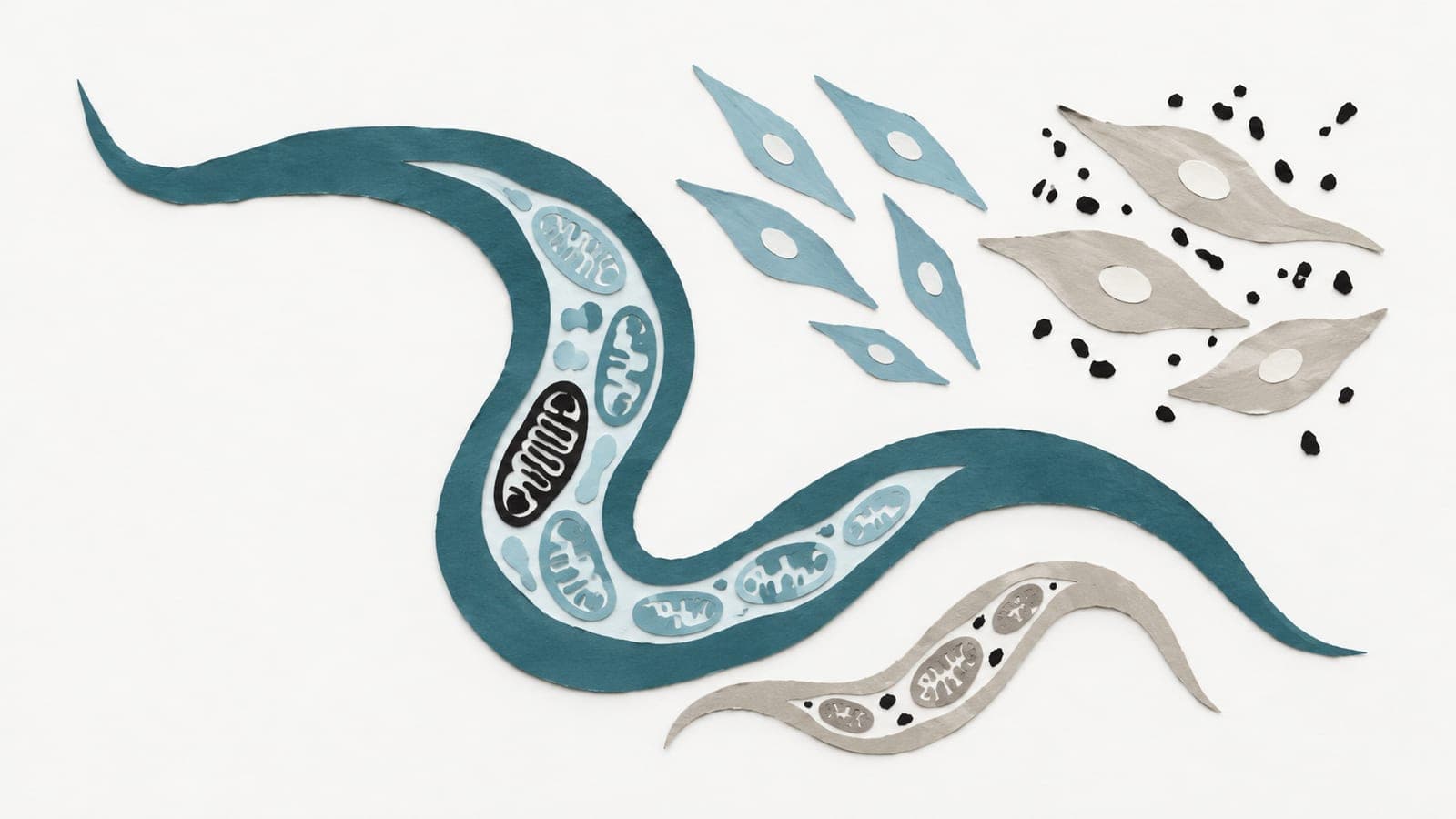
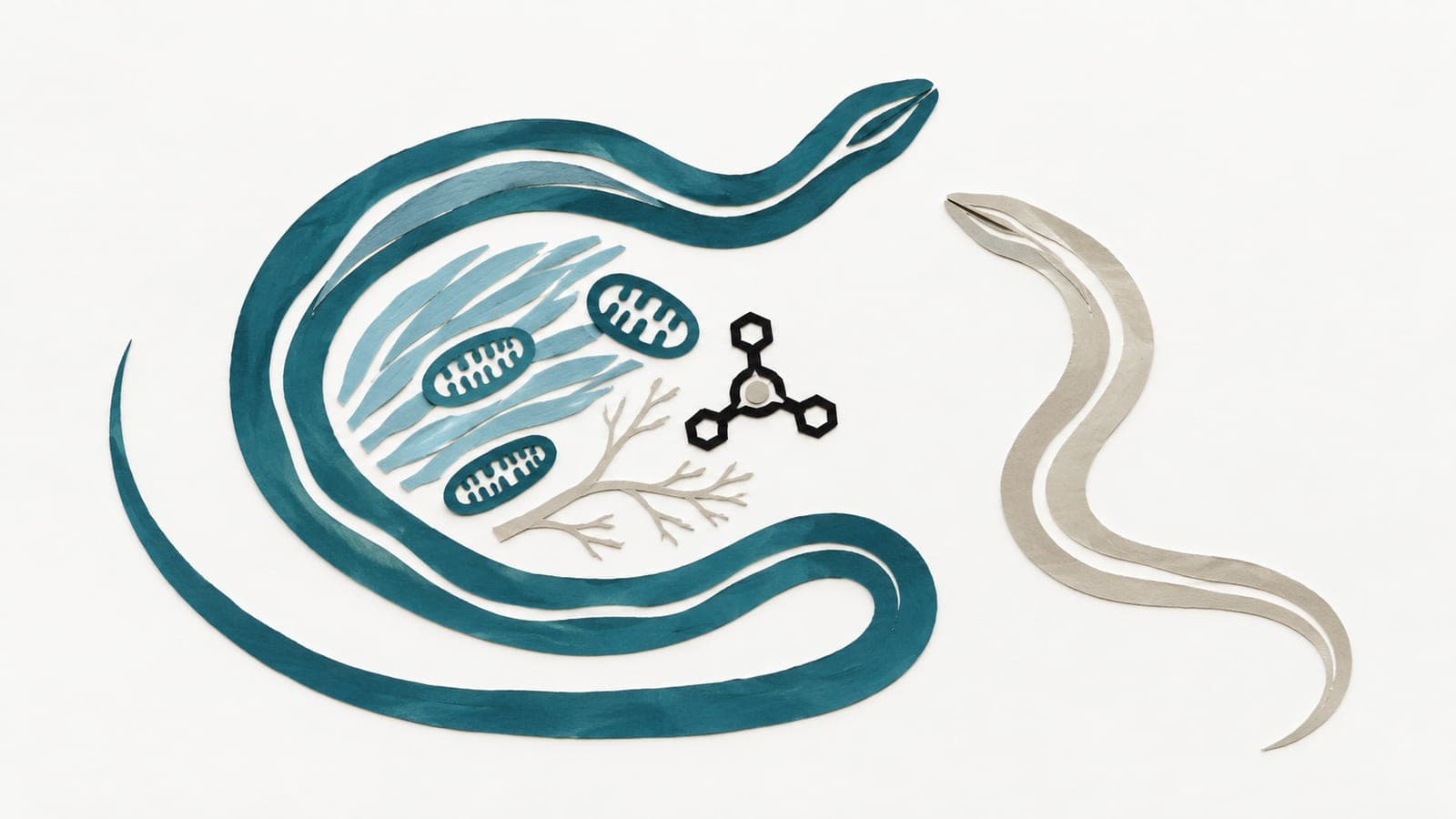
In Caenorhabditis elegans (C. elegans) the mitochondrial electron transport chain (ETC) exhibits remarkable functional plasticity. This review summarizes the composition, regulation, and adaptive roles of complexes I-V. Depending on oxygen availability, the ETC uses either ubiquinone (UQ) or rhodoquinone (RQ), an ancestral strategy for hypoxia or high hydrogen sulfide (H₂S) conditions. Mild ETC impairments can extend lifespan through redox signaling, mitohormesis, and activation of the mitochondrial unfolded protein response. These processes likely represent conserved mechanisms of bioenergetic adaptation and longevity. Moreover, C. elegans serves as a translational model for human mitochondrial diseases and for screening mitochondrial or antiparasitic compounds.
- Mitochondrial unfolded protein response
- Oxidative phosphorylation
- Oxidative stress and ROS signalling
- Mitochondrion
- C. elegans
The paper
Universidad Nacional Autónoma de México
Experimental Cell Research, 13 Apr 2026, Open access