Bacterial molecule shapes behaviour and lifespan in worms
A screen of 3,985 bacterial strains identified an iron-gathering molecule whose effects in worms depended on a stress response in cells’ energy-producing structures.
bioRxiv
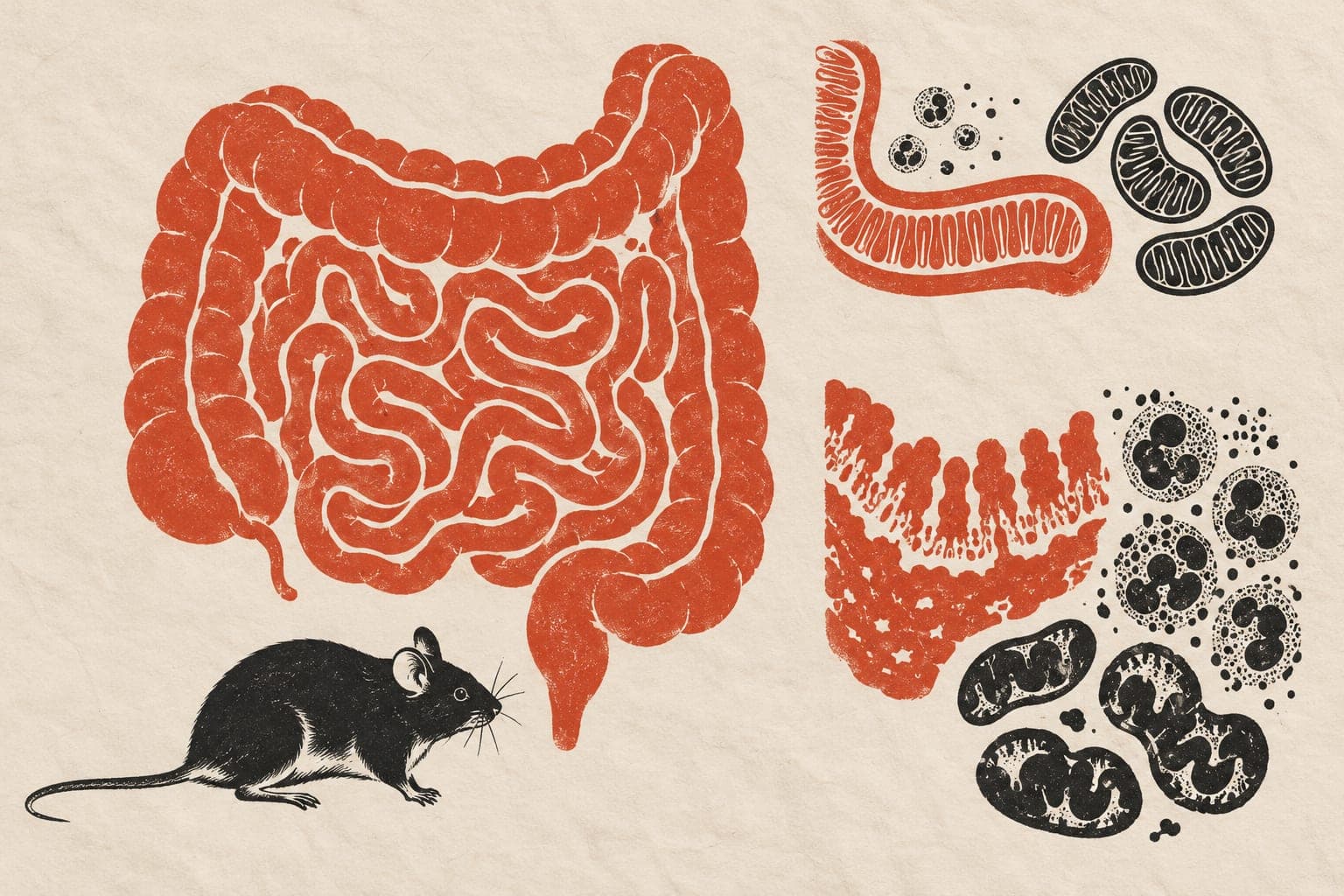
In experiments with Caenorhabditis elegans worms, researchers screened 3,985 Escherichia coli bacterial strains, each missing a single non-essential gene. They measured 768 features of worm behaviour for each bacterial strain. The screen identified a group of bacterial genes involved in regulating iron that changed worm behaviour.
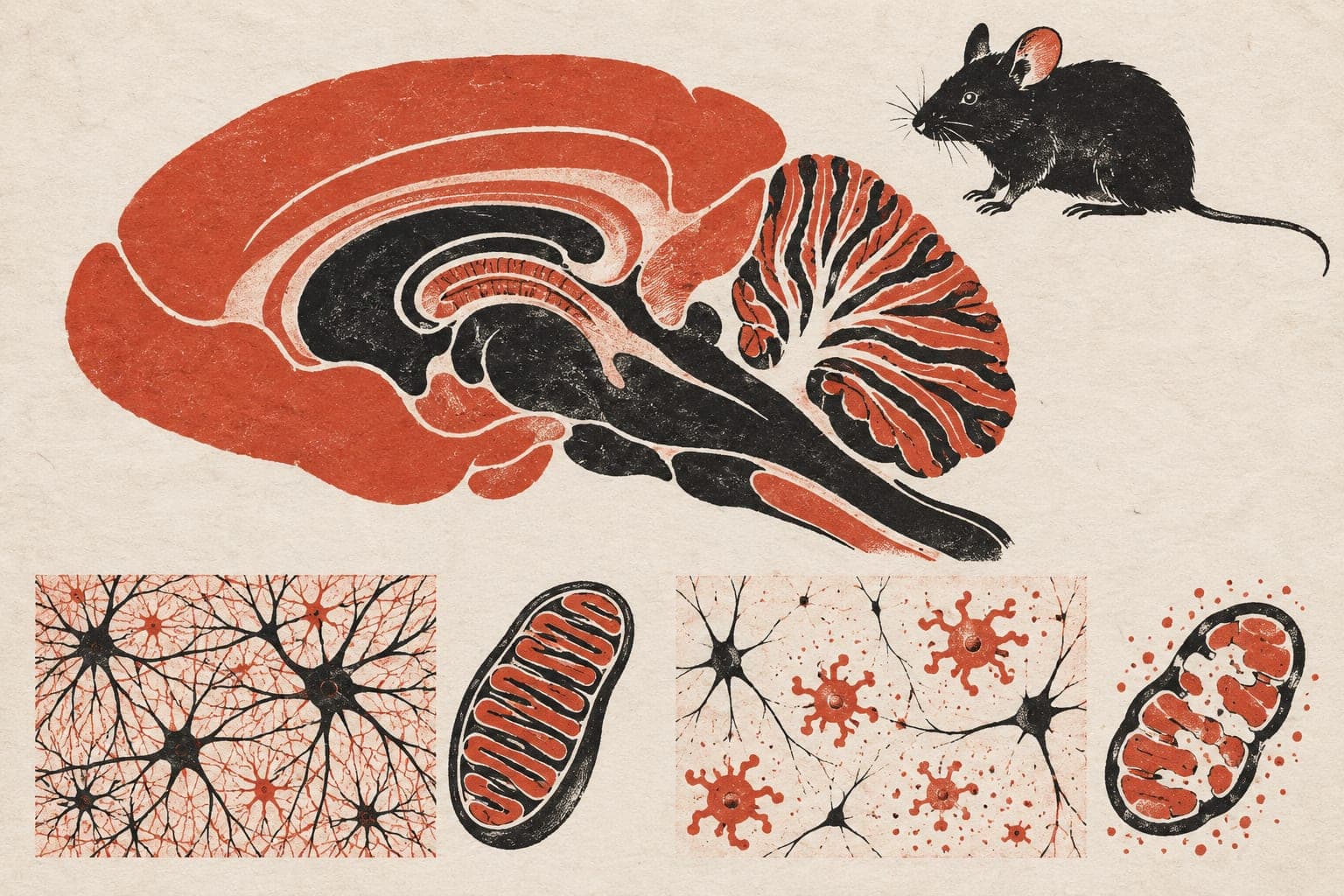
Further experiments implicated enterobactin, a molecule bacteria use to gather iron. Removing the bacteria’s ability to make enterobactin abolished the bacteria-induced changes in worm movement. Enterobactin activated responses in nerves and muscles that shaped lifespan and the length of healthy life. These effects depended on a response to improperly folded proteins in mitochondria, the cell’s energy-producing structures.
Why it matters
The work addresses how signals from gut bacteria might connect nervous-system function with lifespan and the length of healthy life.
Caveats
These laboratory experiments were in worms, and the abstract did not give the size or direction of lifespan changes. The work is a preprint and has not been peer-reviewed.
The paper
A Neuronally Active Bacterial Siderophore Manipulates Host Behavior and Longevity
Show 17 more authors
A. Koh, A. Zecic, D. W. Djamriani, B. Heinemann, C. Angermann, R. Balachandran, T. V. Peres, A. Ahmadi, J. Strippel, A.-M. Wesseling, I. Kaneva, A. Montoya, S. Brodesser, S. Kath-Schorr, A. Trifunovic, T. M. Hildebrandt, A. E. X. Brown,University of Cologne
bioRxiv · 8 Oct 2026 · CC BY-NC-ND · Preprint, not peer-reviewed