Science with Seymour Levine: on glucocorticoid action from birth to senescence
Abstract
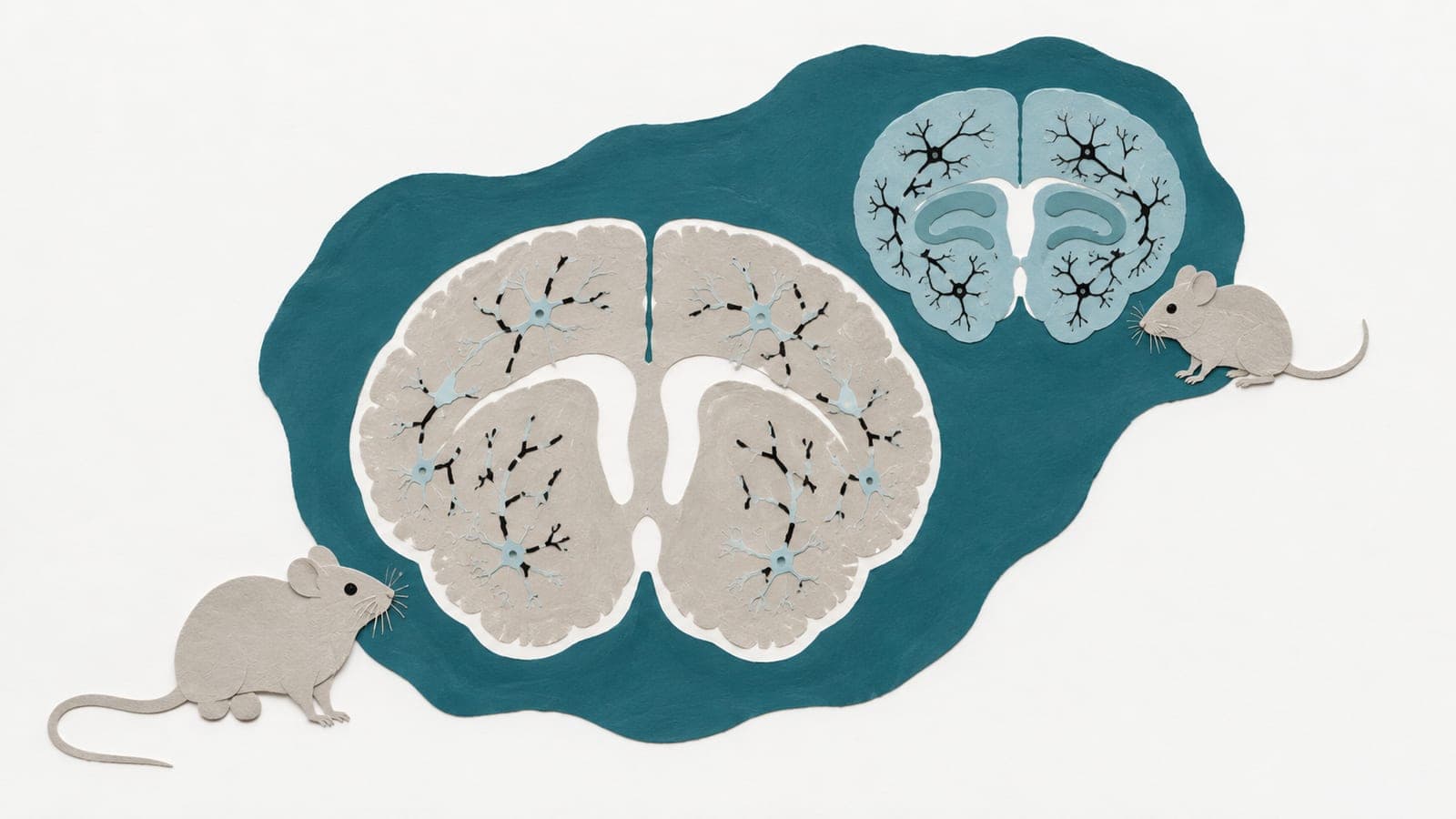
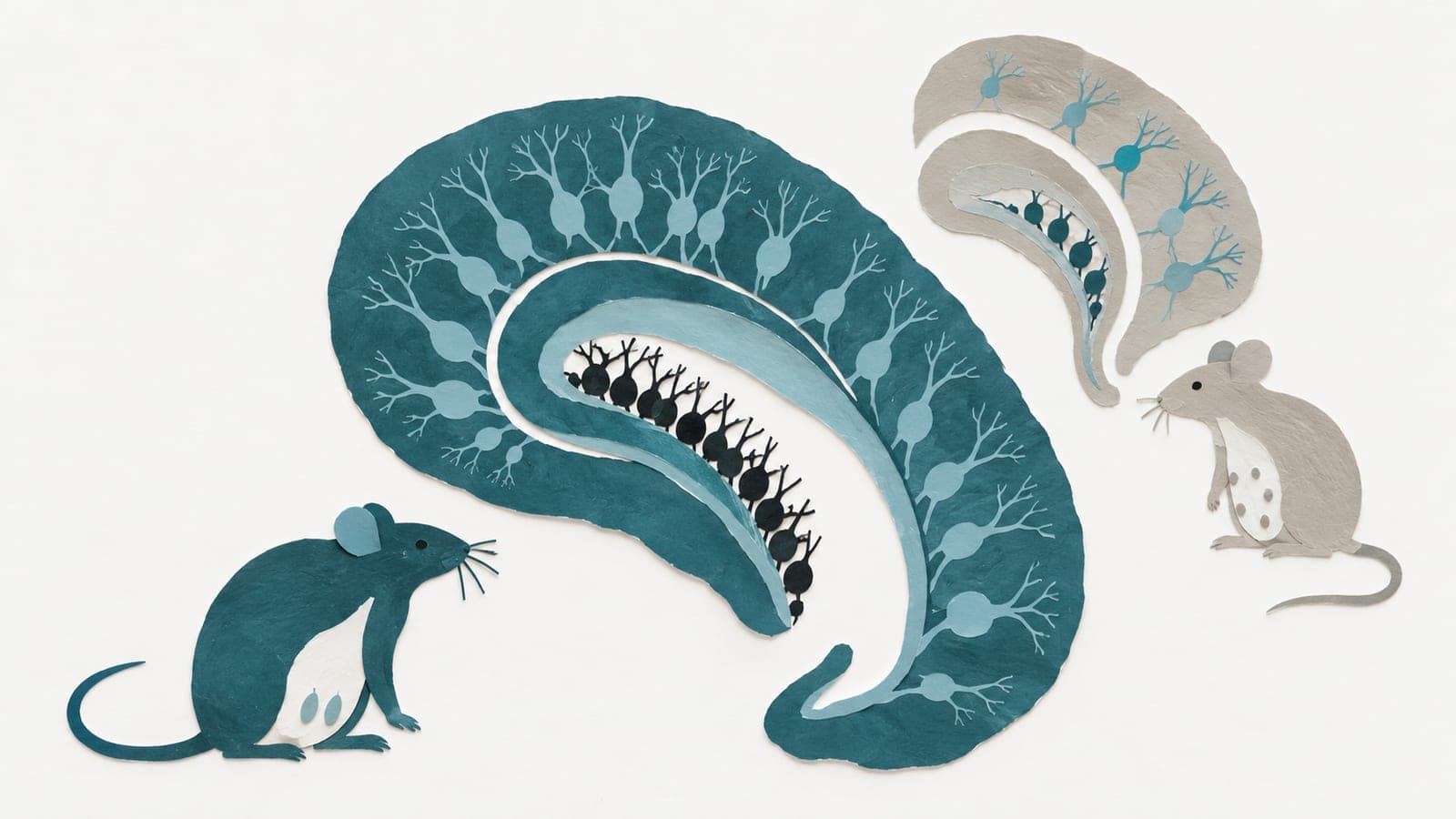
This tribute to the late Seymour Levine, marking his 100th birth year, highlights the following discoveries in rodents that we had the privilege of sharing with him. (i) Cessation of glucocorticoid receptor (GR) expression in the suprachiasmatic nucleus (SCN) upon innervation by the optic nerve around postnatal day 12 may explain phase dissociation of the master pacemaker from glucocorticoid-driven cellular clocks under, e.g., conditions of chronic stress. (ii) Maternal care protects the infant from noxious influences, while preparing it for stress coping in future life, for better and worse, i.e., the predictive adaptive response. (iii) The feeding and tactile components of maternal care allow to distinguish the activation of central from adrenal glucocorticoid-dependent components of the pup's stress response system. This knowledge helps understand how the amygdala-mediated fear response is primed. (iv) Maternal separation for 24 h at postnatal day 3 drives cognitive aging to either senility or excellence at the expense of partially impaired cognitive performance that is characteristic of a normal aging trajectory. The findings inform how glucocorticoid action during early-life experience can amplify individual variation in stress coping and adaptation from birth to senescence.
The paper
Leiden University Medical Center
Neurobiology of Stress, 17 Mar 2026, Open access