Muscle-to-CNS signaling in physiological homeostasis, aging, and disease
Abstract
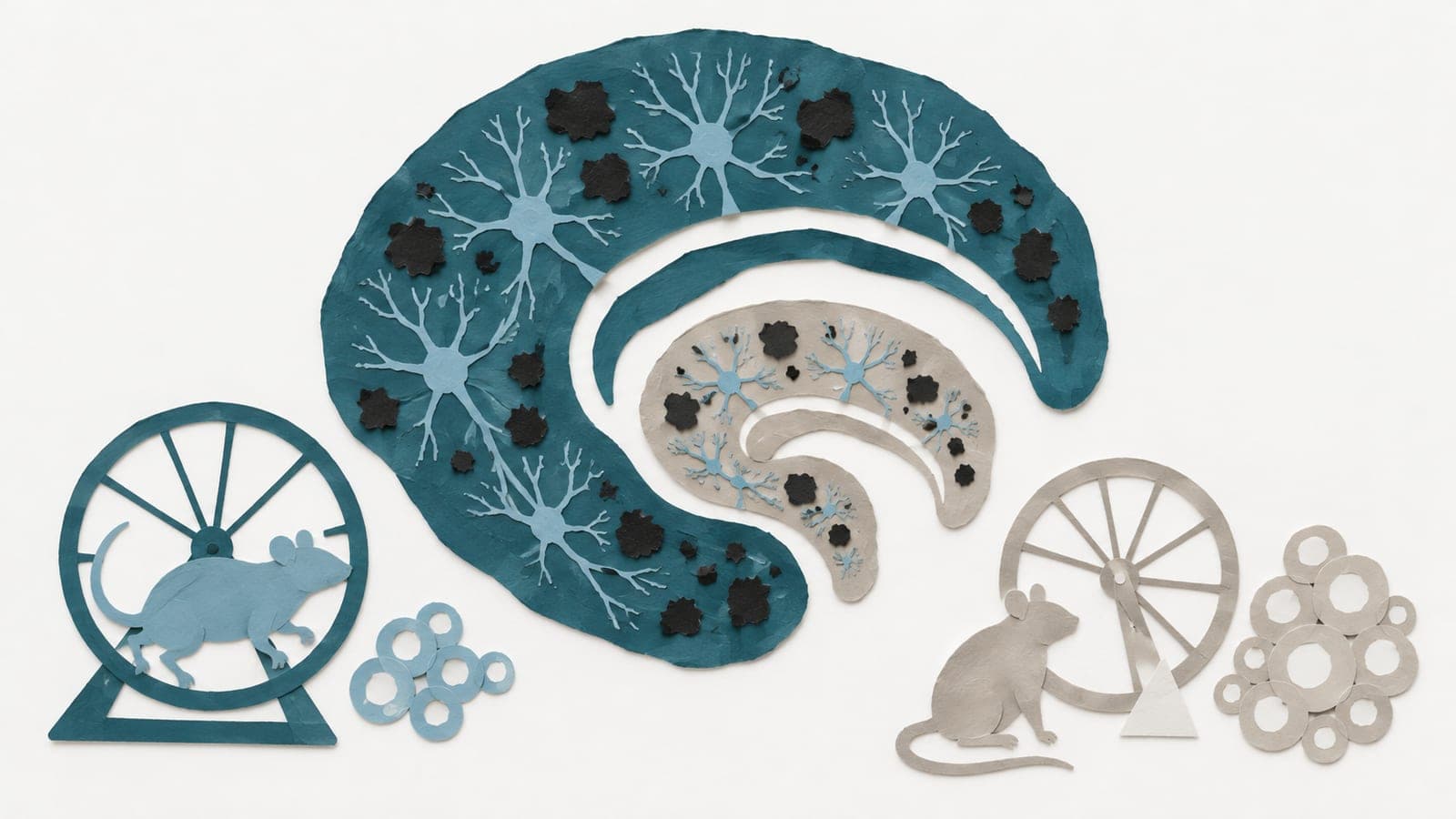
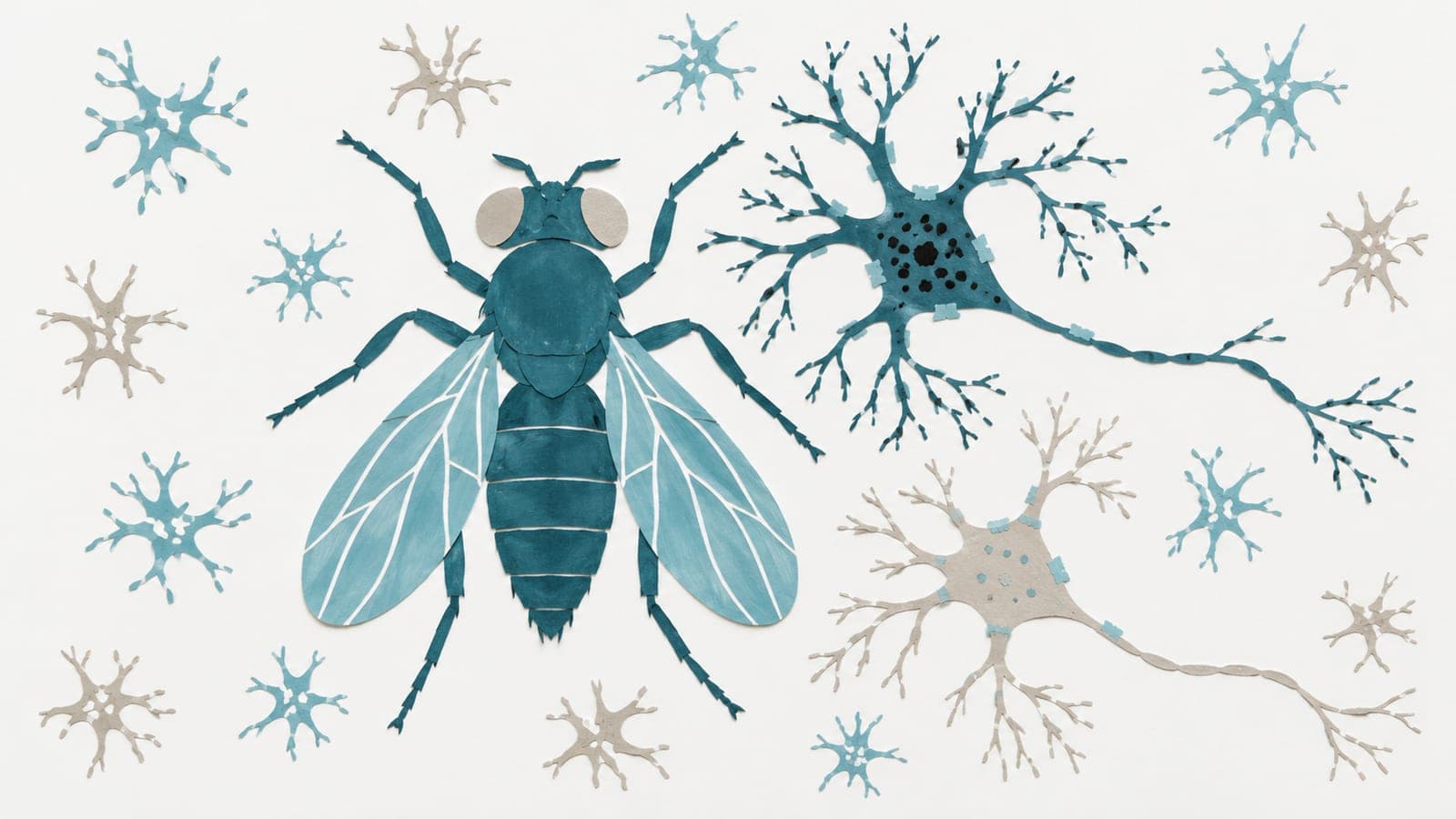
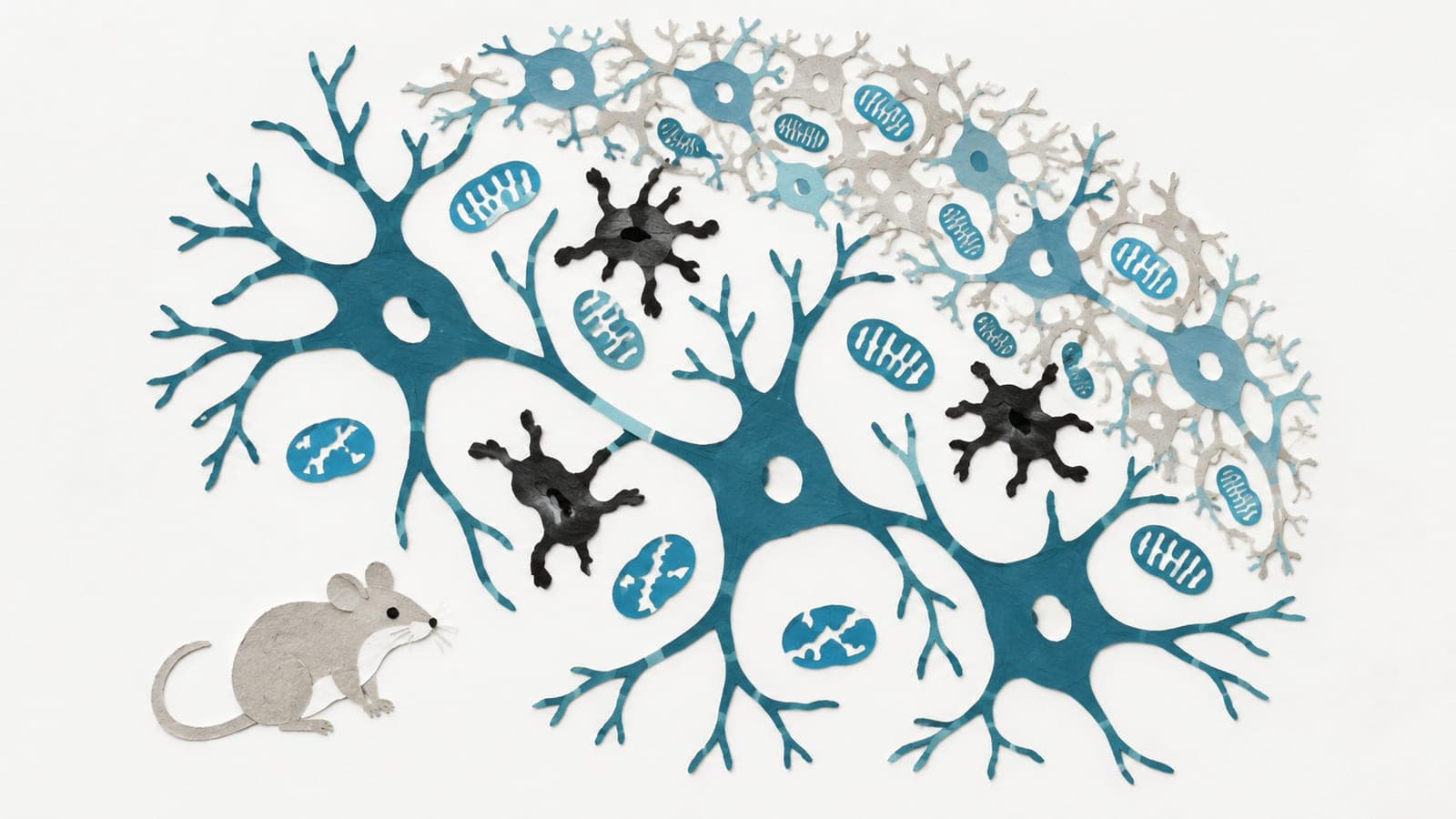
The central nervous system (CNS) orchestrates homeostatic responses and organismal behaviors by integrating cues from the whole body. Like other peripheral tissues, skeletal muscle can signal to the brain, and this occurs via muscle-secreted signaling factors (myokines/myometabolites). In this review article, we examine exercise-induced myokines and myometabolites that improve cognitive capacity and impede neurodegeneration and, conversely, detrimental myokines secreted by diseased muscles that negatively impact brain function. Cellular processes modulated by myokines in the CNS include proteostasis, angiogenesis, neurogenesis, synaptic plasticity, cell senescence, and neuroinflammation, resulting in the modulation of diverse behaviors, such as motor control, memory, foraging, and sleep. Collectively, muscle-to-brain signaling emerges as an important influencer of CNS function and aging, with the prospect of utilizing myokine-/myometabolite-based therapies for treating neurodegeneration.
The paper
St. Jude Children's Research Hospital
Trends in Molecular Medicine, 31 Mar 2026