Restoring Tyr1R signaling aids motor function in flies
Overexpressing the receptor in adrenergic-like neurons prolonged lifespan, restored calcium signaling, and improved locomotor performance in aged fruit flies.
bioRxiv
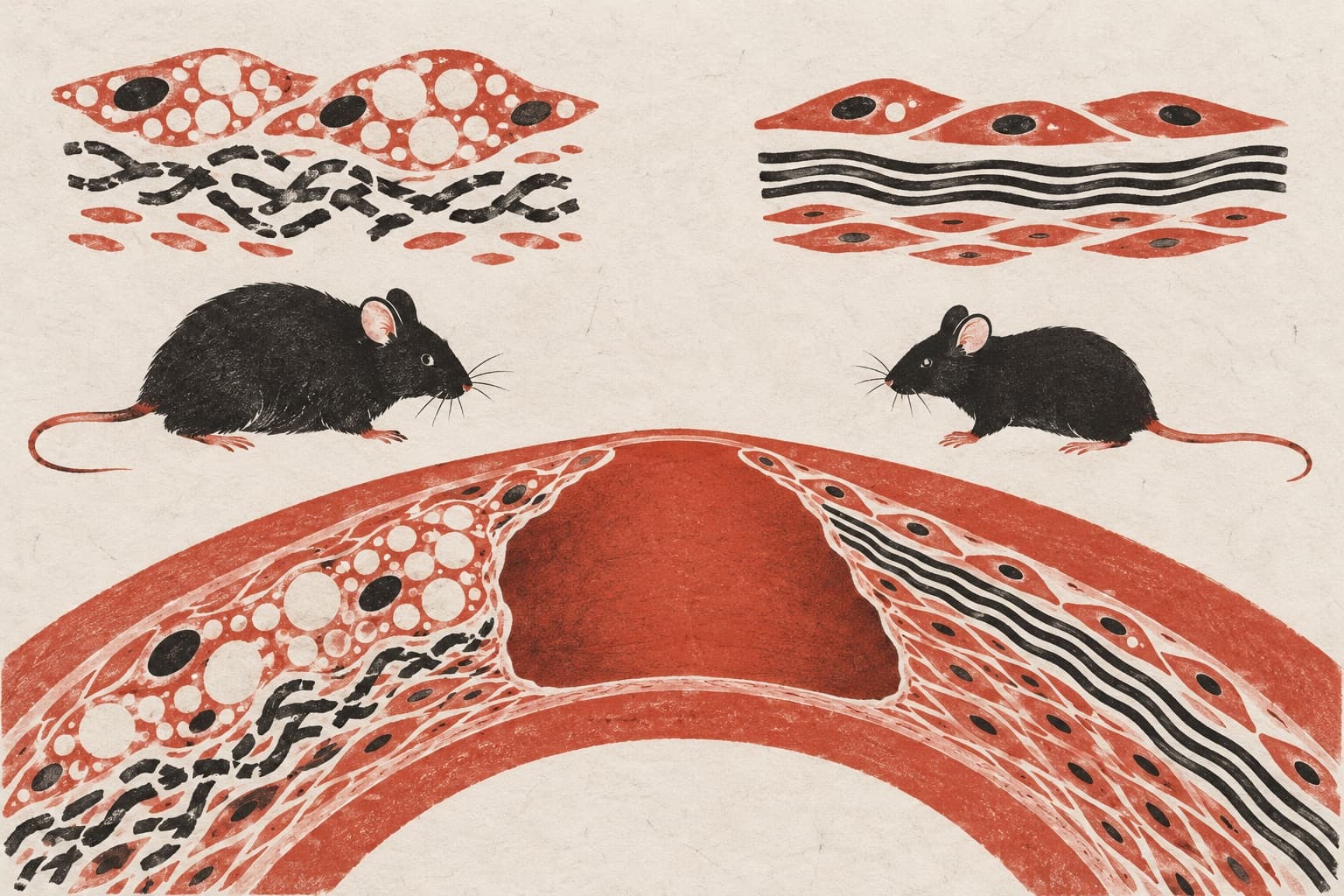
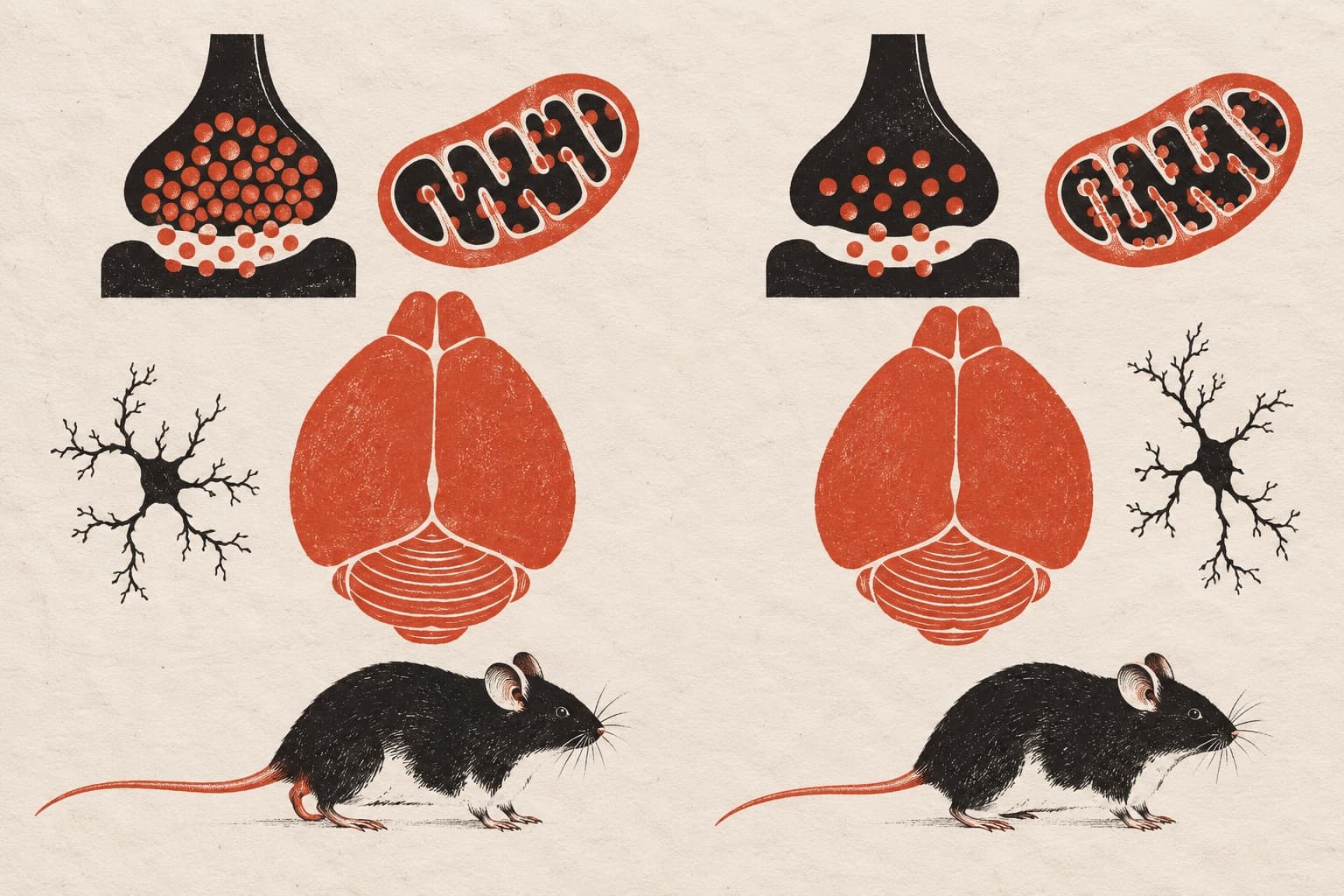
In fruit flies (Drosophila), aging leads to neurodegeneration, diminished locomotion, and increased oxidative whole-brain metabolism. In a preprint, researchers tracked living fly brains with genetically encoded fluorescent sensors following stimulation with octopamine, an invertebrate analogue of noradrenaline. Octopamine increased D-glucose uptake selectively in astrocytes and elevated L-lactate in both astrocytes and neurons. In aged flies, octopamine-evoked metabolic responses in astrocytes and neural calcium transients were markedly reduced. This decline was linked to lower expression of the tyramine 1 receptor (Tyr1R). Selectively overexpressing Tyr1R in (nor)adrenergic-like Tdc2 neurons restored calcium signalling, improved locomotor performance, and prolonged lifespan.
Why it matters
The findings suggest that deterioration in adrenergic-like neuromodulator pathways and glial-neuronal metabolic coupling may play a role in age-related motor decline.
Caveats
The work was conducted entirely in fruit flies, and whether similar adrenergic metabolic interactions govern motor decline in mammals remains unknown. In addition, the findings are from a preprint that has not yet undergone peer review.
The paper
Restoration of (nor)adrenergic-like Ca2+ signalling counteracts age-related motor decline
Show 6 more authors
L.-S. Brodmerkel, A. Bratanic, M. Matz-Soja, S. Schirmeier, R. Zorec, N. Scholz,1) Laboratory of Neuroendocrinology-Molecular Cell Physiology, Institute of Pathophysiology, Faculty of Medicine, University of Ljubljana, Slovenia; 2) Laborato
bioRxiv · 5 Oct 2026 · CC BY · Preprint, not peer-reviewed