The inverse association between indoor solid fuel use and successful aging among middle-aged and older adults: longitudinal evidence from the China health and retirement longitudinal study
Abstract
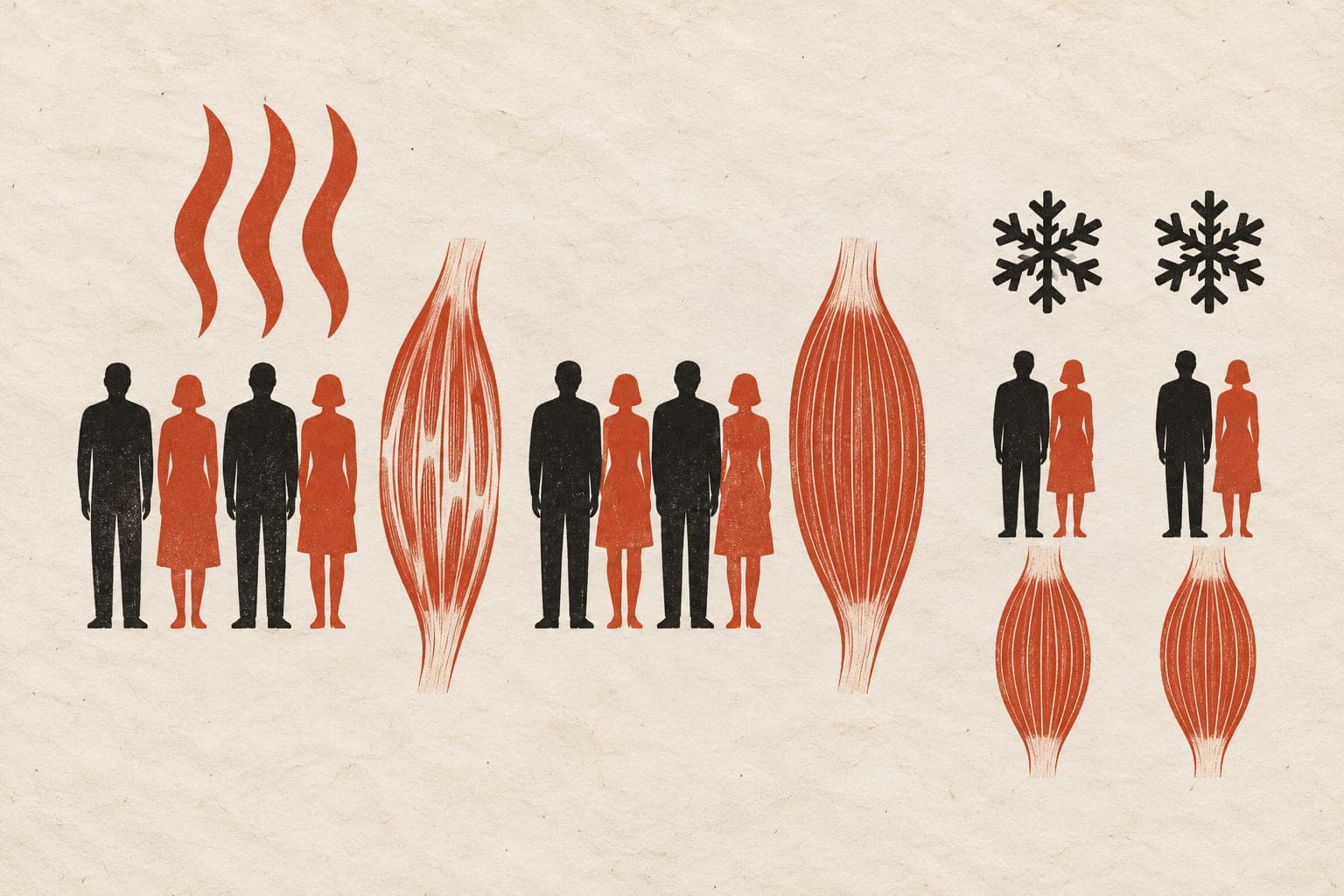
This study investigated the longitudinal association between indoor solid fuel use and successful aging (along with its specific dimensions), and explored the potential mediating role of muscle strength in this relationship. Based on longitudinal data, we found that the use of solid fuels for cooking or heating was significantly associated with lower odds of achieving successful aging (cooking: OR = 0.74, 95%CI = 0.68-0.80, P < 0.001; heating: OR = 0.73, 95%CI = 0.67-0.79, P < 0.001). The lowest odds were observed among those using solid fuels for both purposes. The negative impact spanned most dimensions of successful aging. Furthermore, solid fuel use was linked to higher odds of low muscle strength (cooking: OR = 1.31; heating: OR = 1.31; both: OR = 1.49), which itself was strongly associated with reduced odds of successful aging (ORs = 0.56 ~ 0.57, all P < 0.001). These results indicate that the adverse effect of indoor solid fuel combustion on successful aging is partially mediated through the pathway of reduced muscle strength. The main findings remained consistent across multiple sensitivity checks. Subgroup analyses showed general consistency, with slightly stronger heating effects among females and significantly more pronounced associations in urban settings. Our findings underscore the importance of transitioning to clean household energy as a public health intervention to support healthy aging in later life.
The paper
Southeast University
International Journal of Environmental Health Research, 30 Mar 2026