Heatwaves linked to declining intrinsic capacity in older adults
Each additional heatwave day was linked to a relative risk ratio of 1.035 for a low-declining intrinsic capacity trajectory, while cold spells showed no association.
BMC Public Health
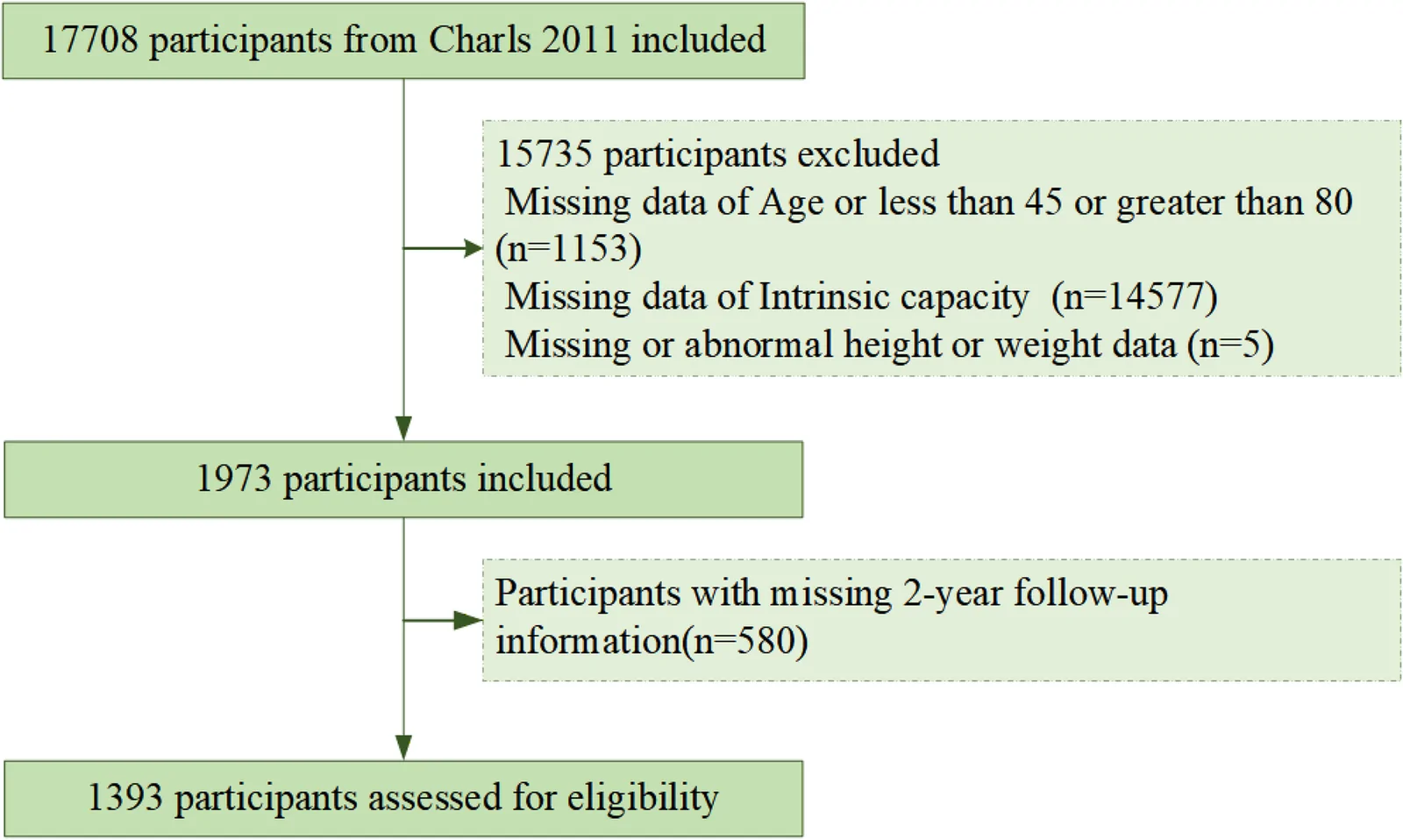
In a cohort of 1,393 Chinese adults aged 45 to 80 years, cumulative heatwave exposure was associated with an increased risk of worsening intrinsic capacity over four years. Researchers examined data from participants in the China Health and Retirement Longitudinal Study with complete assessments across 2011, 2013, and 2015. Intrinsic capacity was operationalized as a composite score covering locomotion, sensory, vitality, psychological, and cognitive domains. Analysis identified three capacity trajectories: high-stable (41.3%), moderate-declining (26.4%), and low-declining (32.3%). Each additional heatwave day was associated with a higher risk of belonging to the low-declining trajectory (relative risk ratio 1.035). The association was stronger in rural residents and individuals with primary schooling or less. Cumulative cold spell days showed no significant link.
Why it matters
The findings suggest that environmental heat stress may compound age-related deficits across several physiological domains. They point to climate extremes as potential external modifiers of healthy aging trajectories.
Caveats
The observational design cannot establish causality, and limiting the sample to participants with complete data across three waves may introduce survivor or selection bias. Temperature was also measured at the city level rather than reflecting individual-level heat exposure.
The paper
Show 8 more authors
Changlin Zhou, YuNa Huang, YuChen Wang, Sun Yong, XingChun Huang, Weilong Yao, Yuhao Chen, Yuhui Wang,Lanzhou University Second Hospital
BMC Public Health · 26 Sep 2026