Accumulated mtDNA mutations are linked to specific impairments in NADH-linked respiration
Abstract
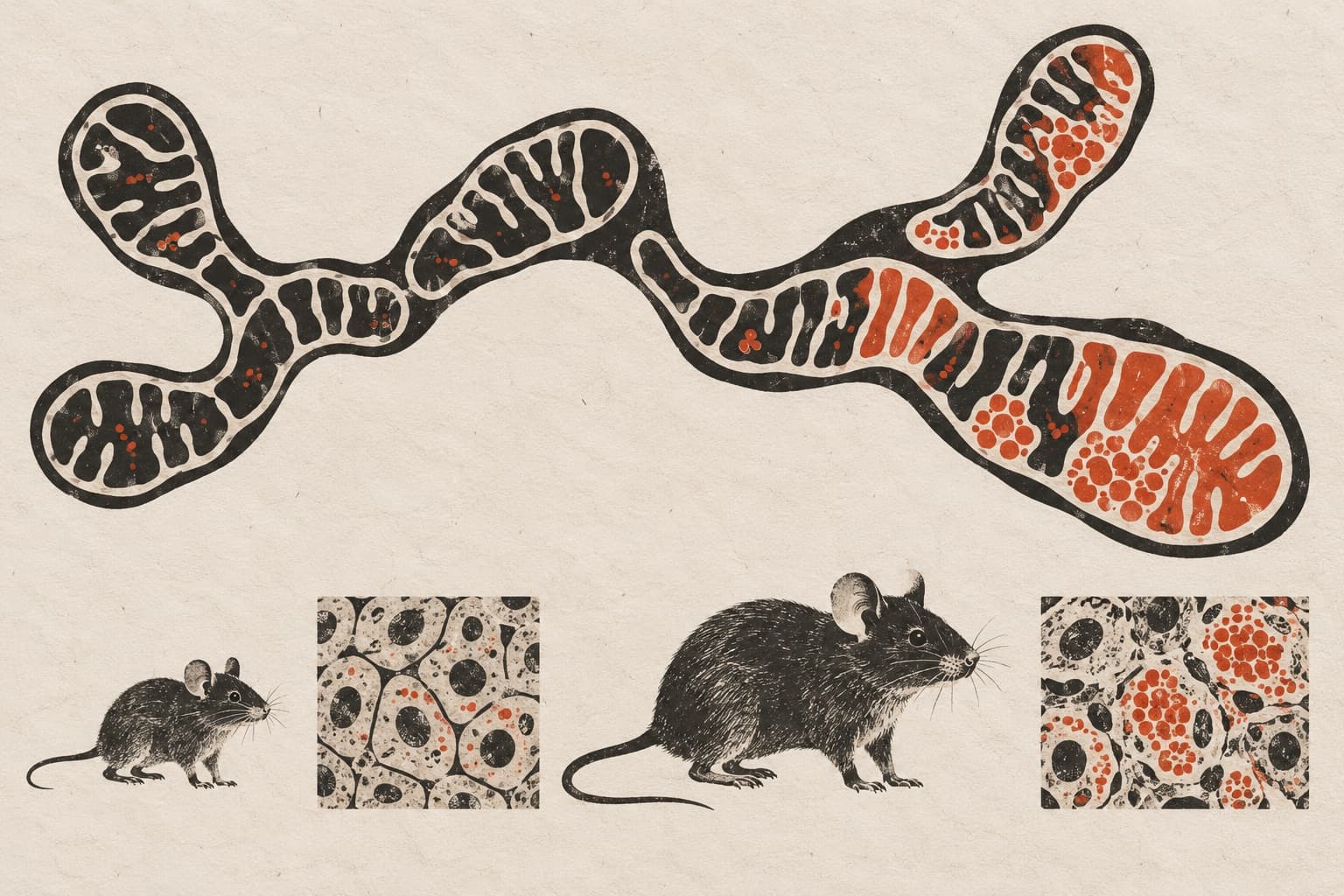
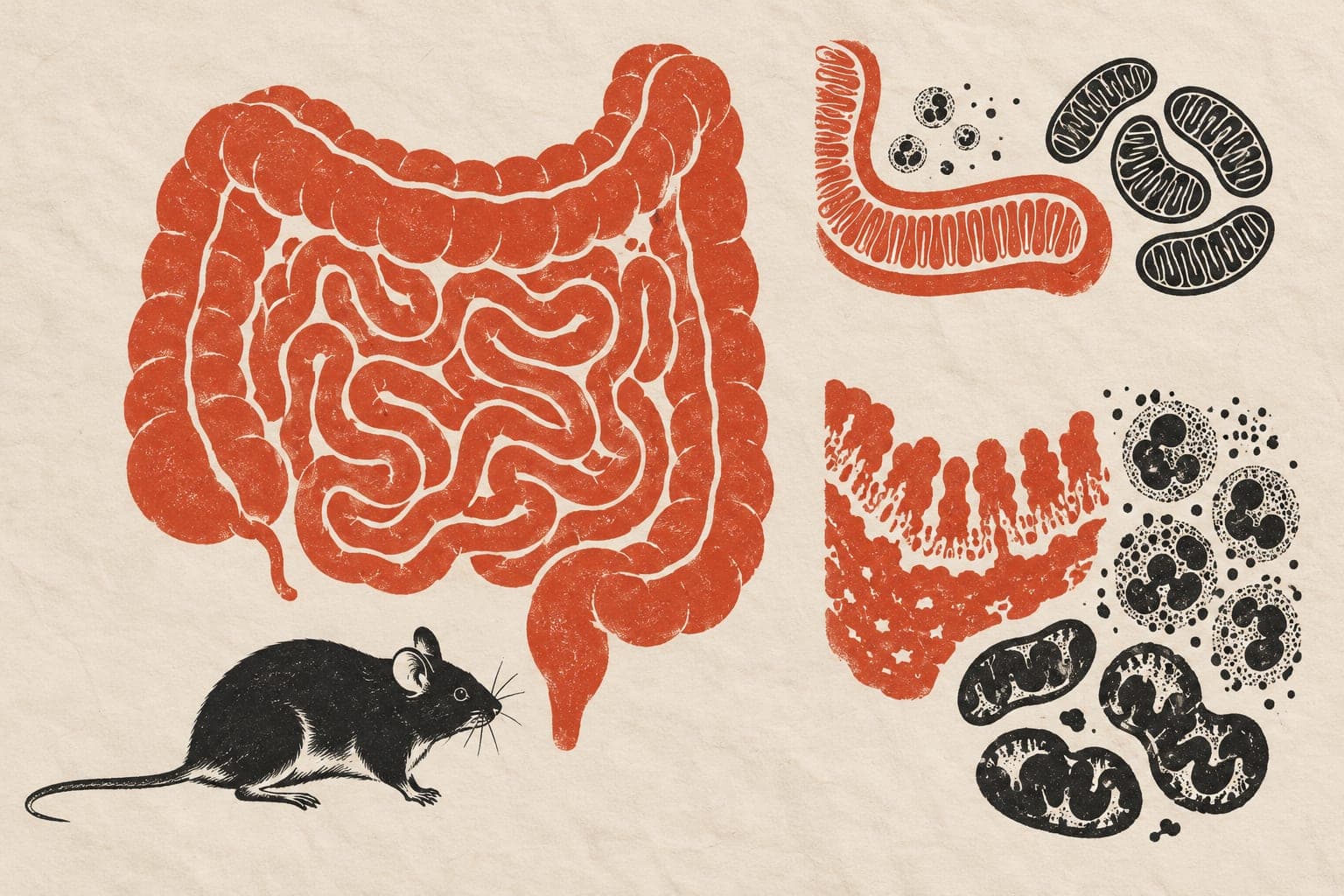
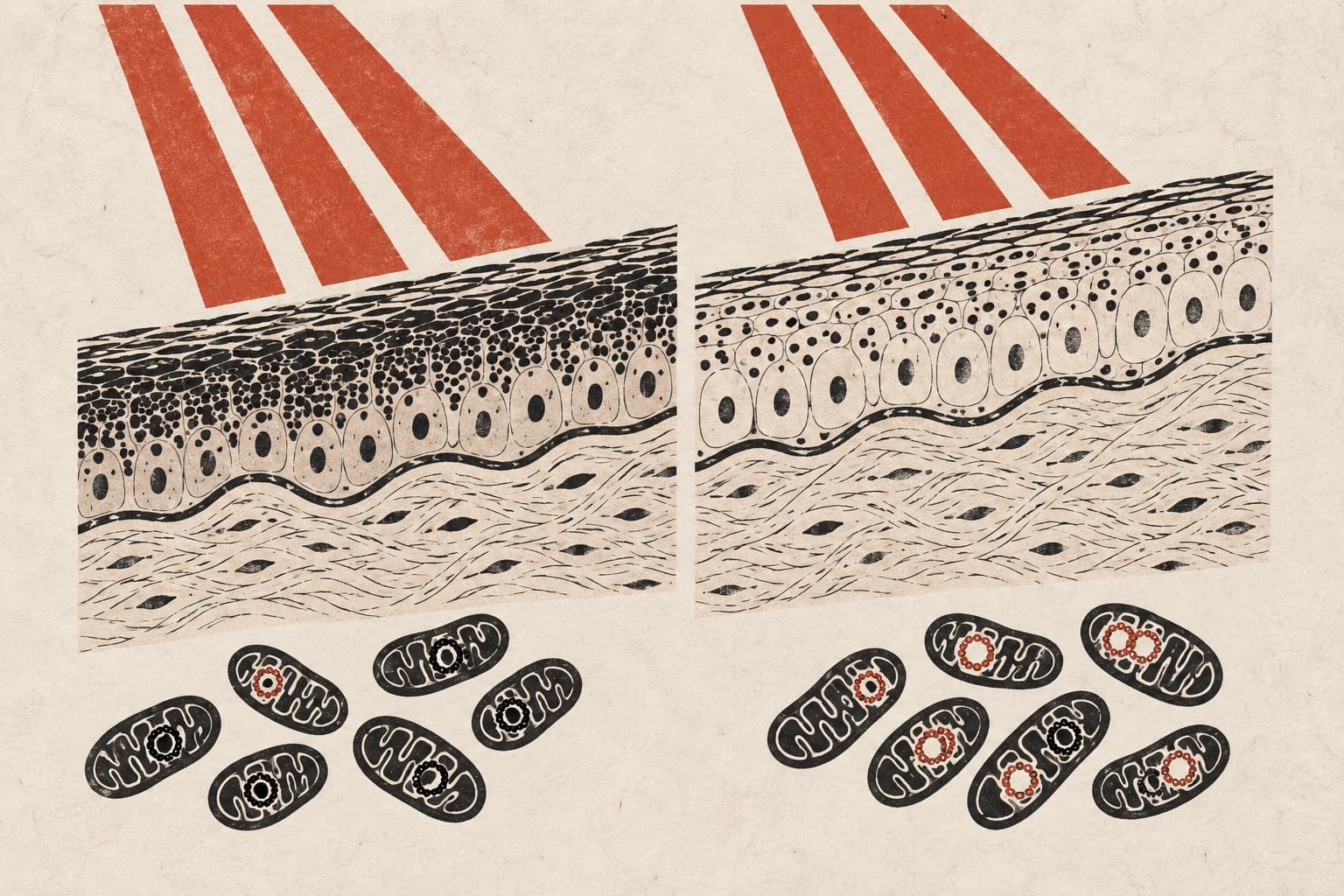
Oxidative phosphorylation (OxPhos) relies on coordinated synthesis of nuclear- and mitochondrial-encoded protein subunits comprising mitochondrial respiratory complexes. Despite a causal link between accumulated mtDNA mutations and age-related diseases, the impact of mtDNA mutation burden on cellular bioenergetics across major organ systems remains only partially resolved. Herein, we leveraged a comprehensive mitochondrial phenotyping platform to assess the phenotypic consequences of heightened mtDNA mutation burden across 8 murine tissues using the polymerase γ (PolG) mutator mouse, incapable of mtDNA proofreading. Despite reductions in OxPhos protein expression, maximal mitochondrial respiratory capacity remained largely intact in PolG Mut mice. Further analysis revealed partial functional deficits in NADH-linked respiration exhibited in brown adipose, colon, kidney, lung, and bone marrow-derived mononuclear cells. In contrast, respiration routed from CII-CIII-CIV was largely preserved across all tissues. Together, these findings suggest that NADH oxidation at respiratory complex I (CI) is the primary functional consequence of heightened mtDNA mutational load.
The paper
Wake Forest University Health Sciences
iScience, 28 Feb 2026