Endogenous α-Klotho is a common target in atherosclerosis and calcific aortic valve disease
Abstract
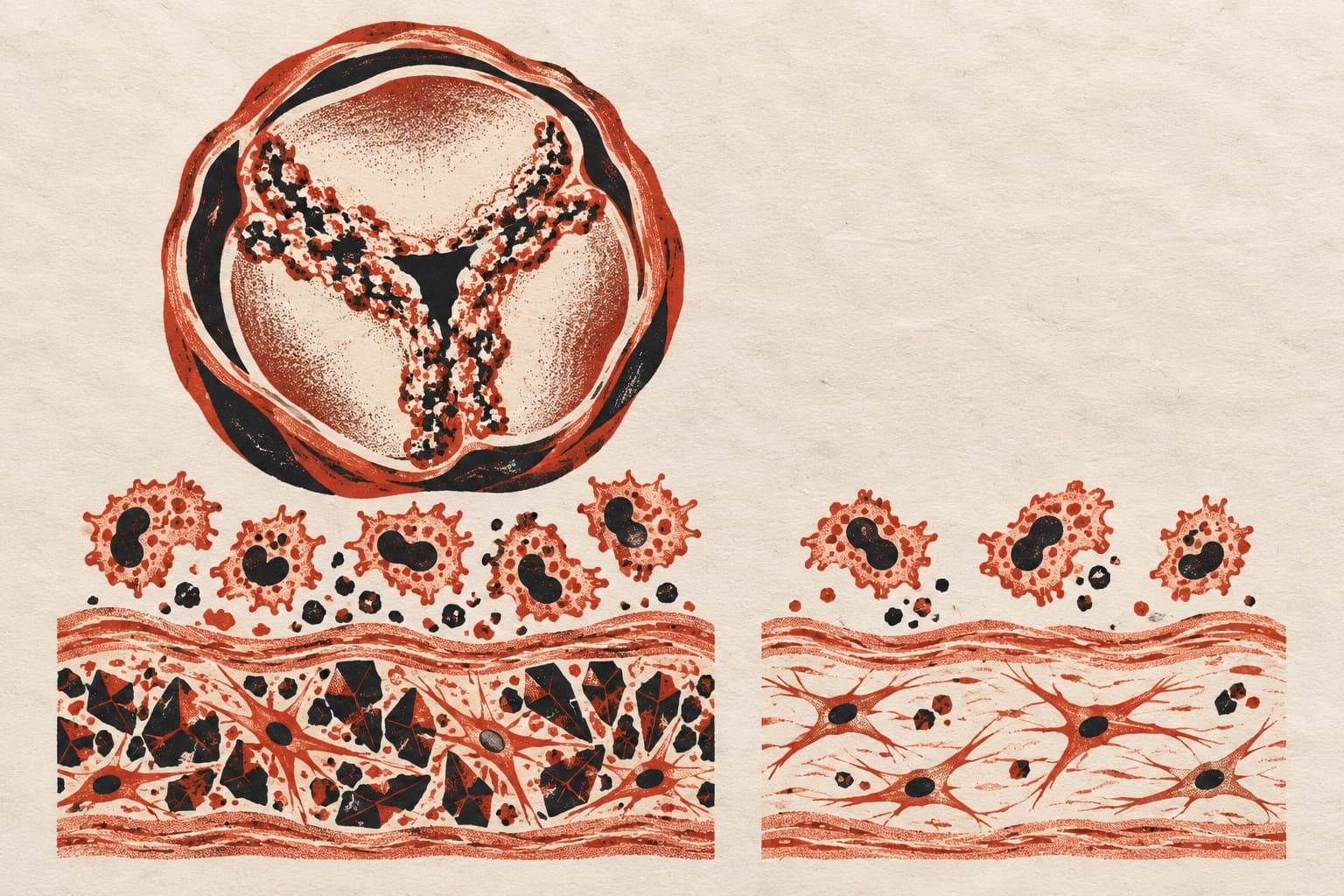
Although atherosclerotic vascular disease (ASVD) and calcific aortic stenosis (AS) are distinct clinical entities, inflammation is a common driving force. The contribution of endogenous α-Klotho, an anti-aging protein, in the vasculature and aortic valve (AV) as an inflammatory mediator of such diseases remains unclear. We investigated α-Klotho expression using qPCR, ELISA, and immunohistochemistry in vascular (aorta, carotid, and femoral) and AV tissue samples from patients with ASVD (n = 112) and calcific AS (n = 172), respectively. We also determined circulating levels of soluble α-Klotho. We assessed α-Klotho associations with inflammatory and calcification markers. In vitro, we treated human vascular smooth muscle cells (VSMCs) and valve interstitial cells (VICs) with interleukin (IL)-1β and high-phosphate (HP) medium, respectively, and we evaluated the effects α-Klotho silencing and recombinant α-Klotho (rKlotho) supplementation. α-Klotho expression was significantly reduced in atherosclerotic vessels and stenotic AVs. Vascular expression varied across territories, with the lowest levels in the carotids. In stenotic AVs, α-Klotho expression was lower in fibro-calcified areas compared to "healthy" regions. Endogenous tissue α-Klotho and circulating soluble α-Klotho were inversely associated with local and systemic inflammatory markers and, in AVs, with osteogenic-related markers. In vitro, pro-inflammatory stimuli downregulated α-Klotho gene expression in VSMCs and VICs. α-Klotho silencing amplified inflammatory responses in both cell types and promoted VIC calcification, whereas rKlotho attenuated inflammation and inhibited osteogenic differentiation. These findings suggest endogenous α-Klotho plays a central role in the inflammation underlying ASVD and calcific AS.
The paper
Hospital Universitario Nuestra Señora de Candelaria. Santa Cruz de Tenerife 38010 Tenerife
Biochemical Pharmacology, 28 Mar 2026