Glut1-dependent lactylation drives VSMC senescence phenotype
Abstract
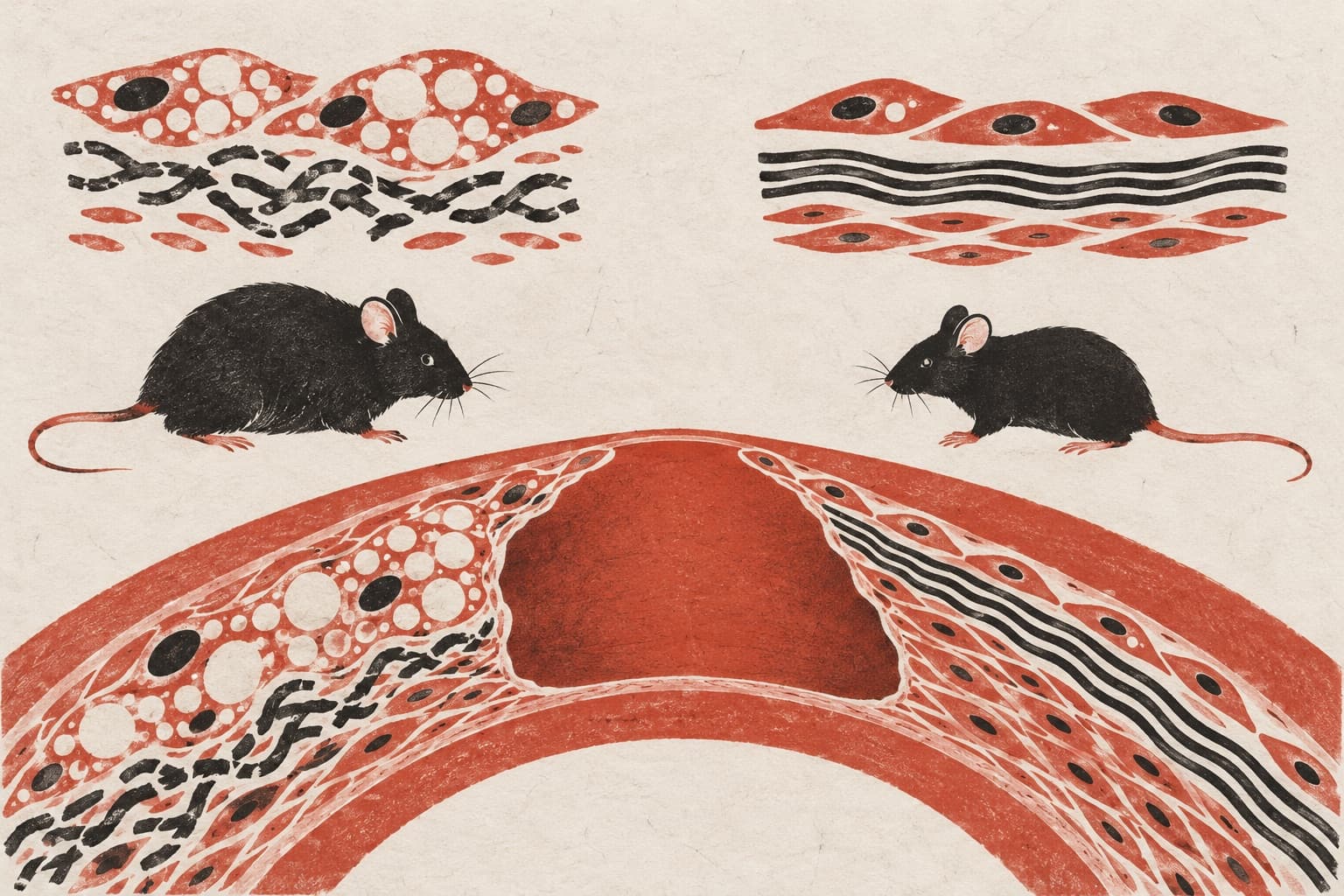
Atherosclerosis (AS) is the leading cause of cardiovascular and cerebrovascular diseases. However, current clinical strategies to delay or treat AS are limited. Elucidating the underlying mechanisms of AS pathogenesis is critical for identifying novel therapeutic targets. Numerous studies have demonstrated that premature senescence of vascular smooth muscle cells (VSMCs) is a key contributor to AS progression, yet the molecular drivers of this process remain incompletely understood. This study reveals that membrane-bound glucose transporter 1 (Glut1), which mediates glucose uptake, is specifically upregulated in mouse aortic vascular smooth muscle cells (MOVAS) during the progression of AS. This phenomenon is accompanied by increased expression of senescence markers. In vitro experiments demonstrated that knockdown of Glut1 on MOVAS membranes significantly inhibited the senescence phenotype, whereas overexpression of Glut1 markedly exacerbated the senescence phenotype. Mechanistically, Glut1 promotes MOVAS senescence by activating the glycolysis-lactate-H3K18la signaling axis. Notably, reducing intracellular lactate levels, knocking out the lactylation writer P300, or overexpressing the lactylation eraser HDAC-1 all significantly improved the premature senescence phenotype of MOVAS. In summary, this study establishes a mechanistic link between the Glut1-lactate-H3K18la pathway and MOVAS senescence, providing a theoretical basis for understanding the metabolic-epigenetic mechanisms underlying VSMC senescence in atherosclerosis.
The paper
Guangxi Medical University
Cellular Signalling, 22 Mar 2026