Aging disrupts sympathetic innervation of the thymus
Abstract
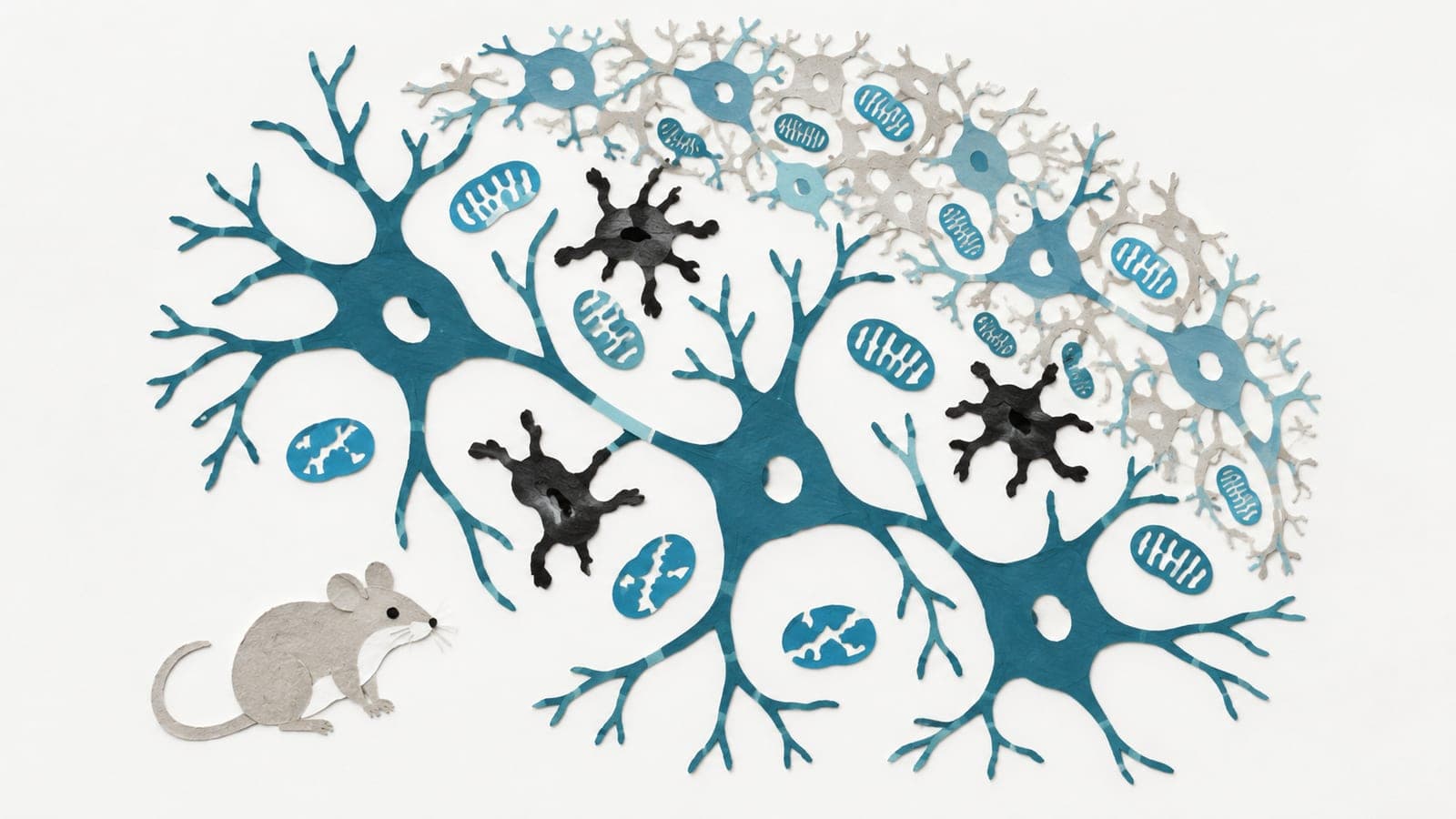
The thymus, a primary lymphoid organ essential for lifelong T cell development, undergoes progressive age-related involution. The thymus is innervated by the sympathetic nervous system (SNS), but the extent of innervation and its relationship to the microenvironment or age-related involution remain unclear. Here, we provide a detailed mapping of thymic sympathetic innervation using advanced imaging methods to characterize its distribution and relationship with vascular structures, capsule, and stromal compartments. In contrast to previous studies, we provide direct evidence that aging leads to profound deterioration of thymic sympathetic innervation. Age-associated axonal degeneration in the thymus includes collapsing of axon-vascular structures, reduced axonal volume, nerve fiber fraying, and loss of axonal synapses. We also demonstrate that sympathectomy impairs thymic homeostasis, whereas sympathomimetic treatment enhances its function in aged mice. Our findings challenge the paradigm of age-related increase in thymic innervation, establishing the SNS as an underappreciated regulator of thymic function and aging.
The paper
Albert Einstein College of Medicine
Cell Reports, 20 Mar 2026