Aging-Dependent Hepatic YAP1 Reduction Promotes Metabolic Dysfunction-Associated Steatotic Liver Disease via Gut Microbiota Dysbiosis With Akkermansia muciniphila Downregulation
Abstract
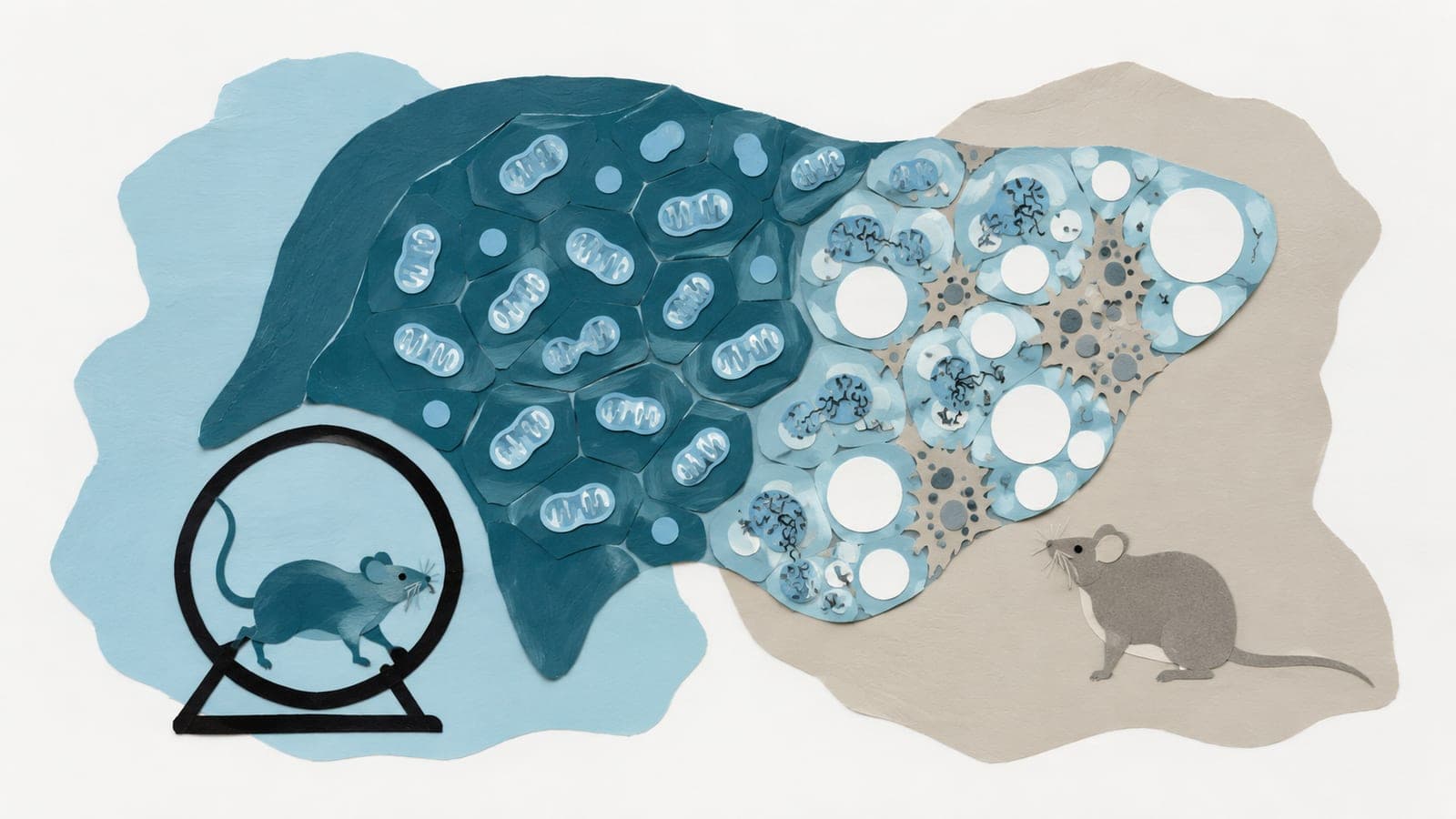
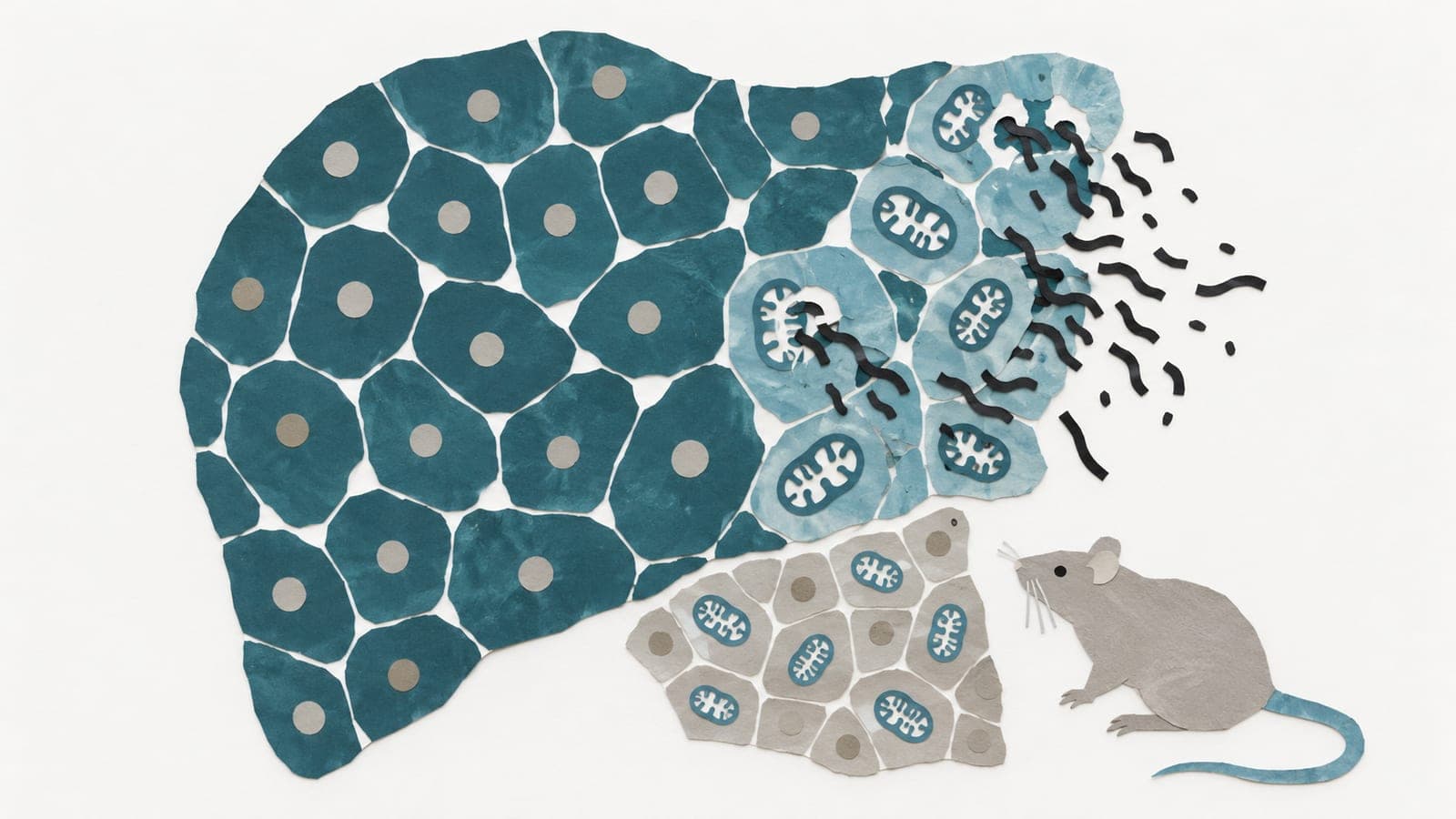
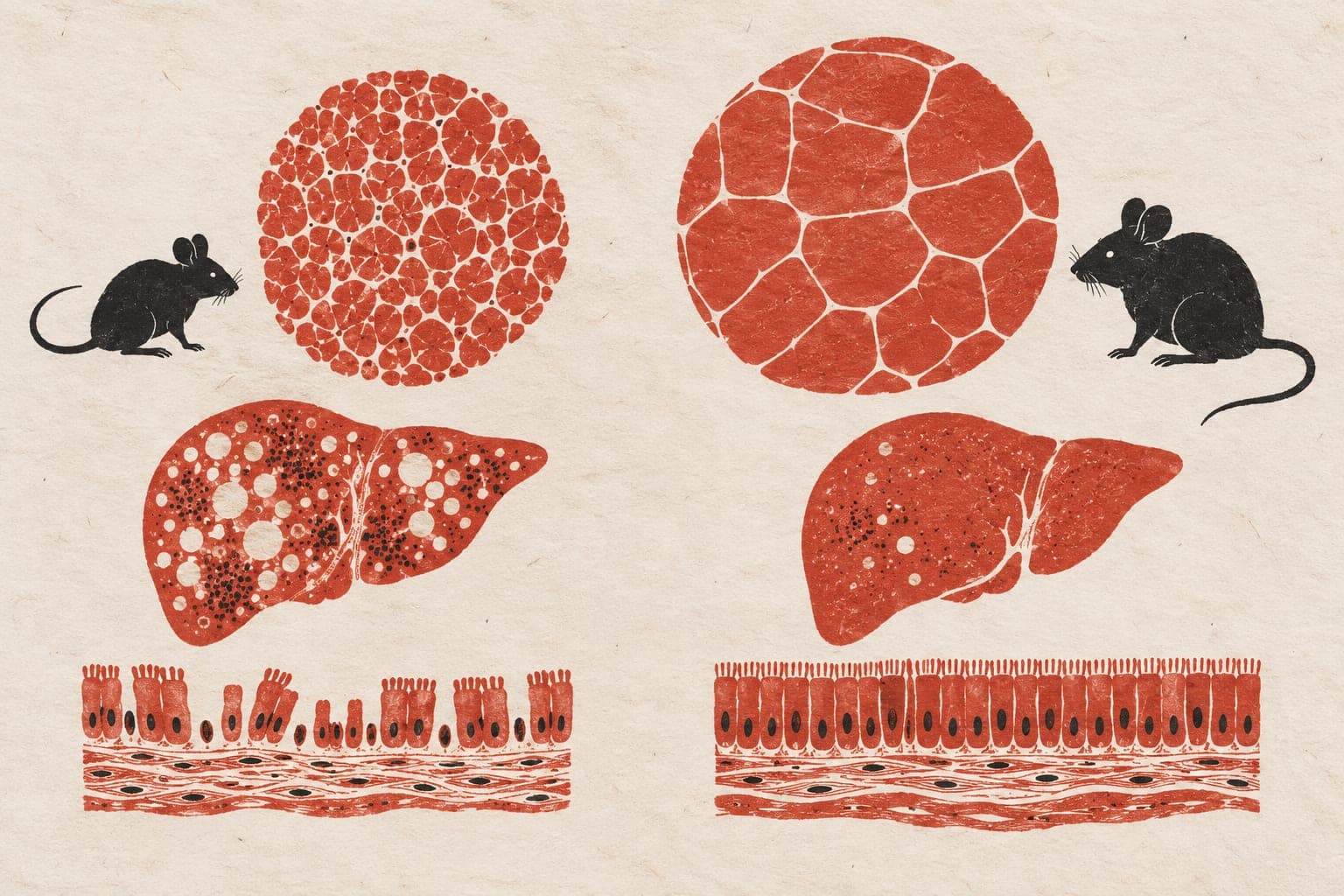
Aging is associated with progressive liver dysfunction and increased risk of metabolic dysfunction-associated steatotic liver disease (MASLD), although the underlying molecular mechanisms remain incompletely understood. In this study, we explored the role of Yes-associated protein 1 (YAP1) in liver aging by using adeno-associated virus serotype 8 (AAV8) based approaches to create hepatocyte-specific Yap1 knockout mice. We found that hepatic YAP1 expression declined with age, and loss of hepatocyte YAP1 accelerated liver aging, characterized by increased senescence, impaired proliferative capacity, and DNA damage. YAP1 deficiency was associated with activation of the cGAS-STING pathway, increased oxidative stress and triglyceride accumulation, and the development of MASLD. Additionally, the loss of YAP1 disrupted the composition of the gut microbiota, decreased the abundance of Akkermansia muciniphila (A. muciniphila), and impaired intestinal barrier function. Notably, microbiota depletion abolished Yap1 deletion-induced senescence and MASLD, while A. muciniphila supplementation improved gut barrier integrity and alleviated MASLD-associated phenotypes. Together, these findings indicate that aging-dependent hepatic YAP1 reduction promotes MASLD through mechanisms involving DNA damage, oxidative stress, and gut microbiota dysbiosis, with reduced A. muciniphila abundance representing a prominent associated feature. This highlights the YAP1-gut microbiota axis as a potential therapeutic target for liver diseases associated with aging.
- Akkermansia muciniphila
- Microbiota depletion
- YAP1
- microbiota
- Metabolic dysfunction-associated steatotic liver disease
- Mice
The paper
Shanxi University of Traditional Chinese Medicine
FASEB Journal, 19 Mar 2026