Single-cell transcriptional and epigenomic landscape of human blood immune cells across the lifespan
Abstract
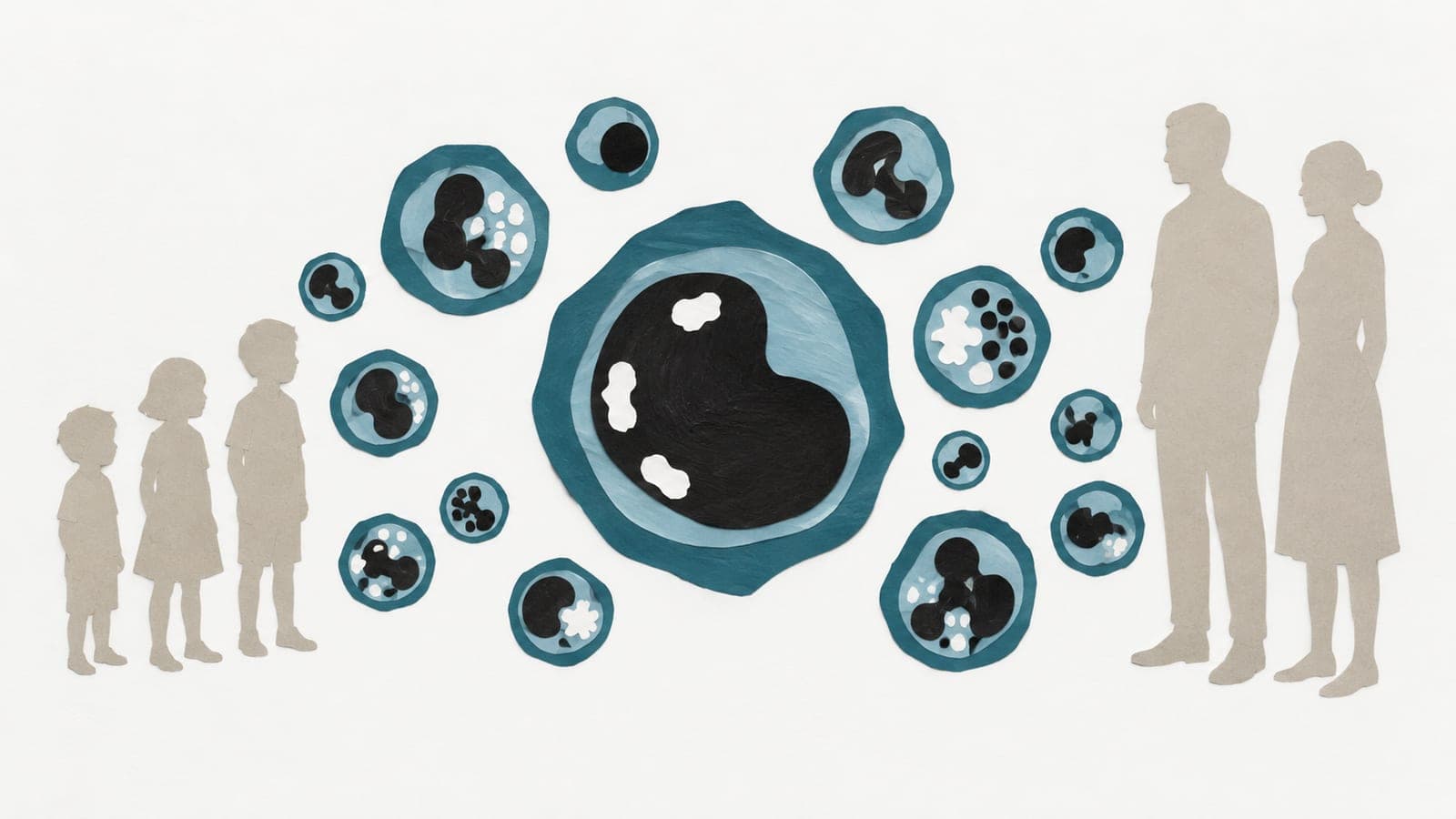
The dynamic changes in immune cell composition throughout the human lifespan remain poorly understood. Here, we performed single-cell RNA sequencing and single-cell assay for transposase-accessible chromatin sequencing on peripheral blood mononuclear cells from healthy donors, spanning mid-fetal to late adulthood. Our findings revealed age-associated reprogramming across lymphoid and myeloid lineages, with T cells undergoing the most significant transcriptional remodeling. Notably, ITGB1⁺CD8⁺ effector memory T cells played a protective role in young adulthood. Furthermore, an immunosuppressive AREG⁺ natural killer (NK) cell subset was enriched in early childhood, exhibiting low expression of cytotoxic and activating markers and high expression of inhibitory molecules. Additionally, fetal-derived XCL2⁺CD56bright NK cells show an upregulation of inhibitory receptor KLRC1, while IL1Bhi monocytes increased in aging, contributing to inflammaging. Overall, our study provides a comprehensive single-cell atlas of peripheral immune cell dynamics across the human lifespan and reveals various age-related signatures, offering insights into immune aging and its role in age-related diseases.
- Resources: datasets, atlases and tools
- Immune response
- Inflammation
- AREG+ natural killer cells
- IL-1β
- Humans
The paper
University of Science and Technology of China
Cell Reports, 11 Mar 2026