Older mice had delayed immune responses and recovery from flu
An experiment spanning 16 combinations of age, sex and infection stage also found persistent inflammatory responses in older male mice at later stages.
bioRxiv
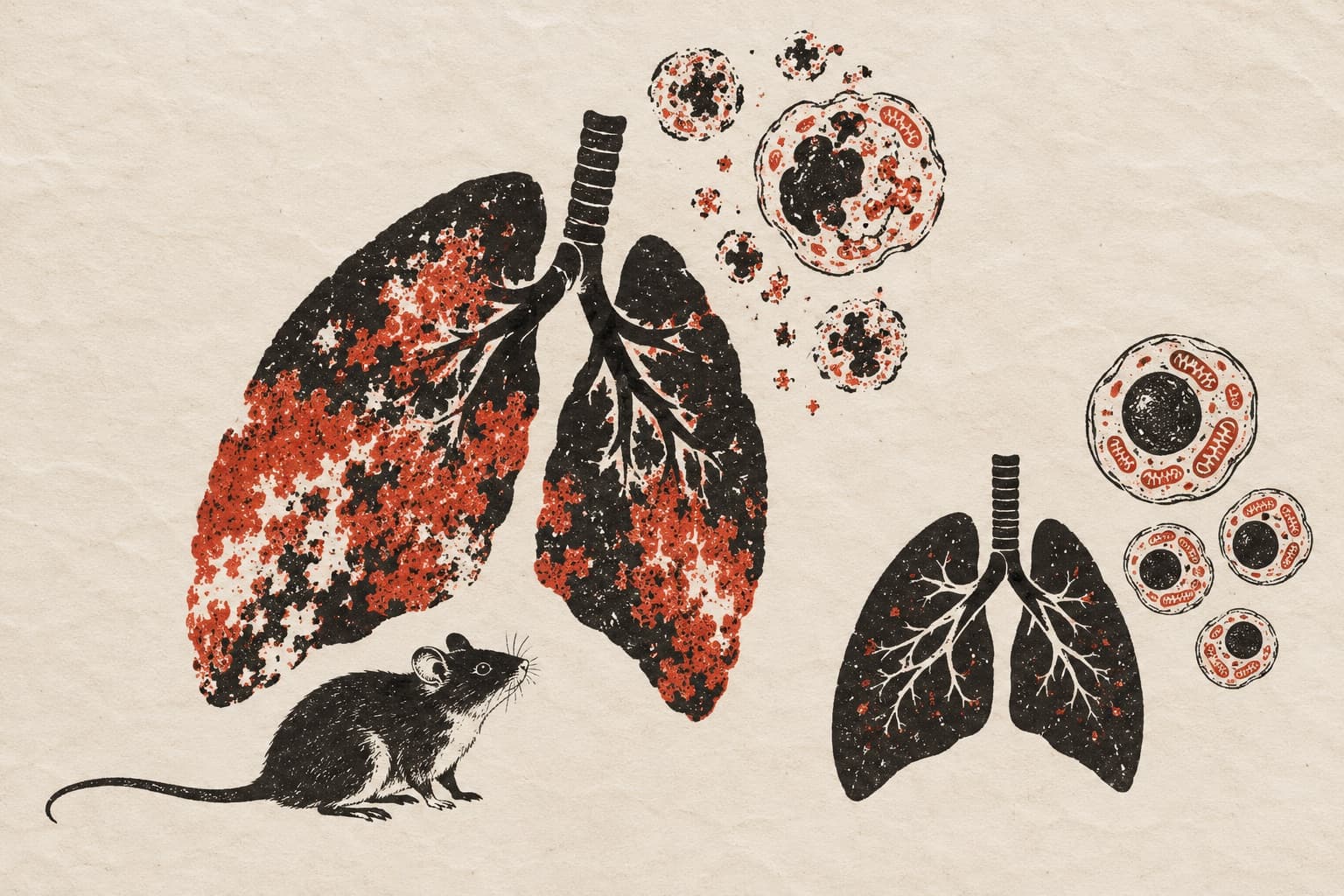
In mice, researchers conducted an experiment across 16 conditions covering age, sex and four stages of influenza infection. They measured gene activity in individual cells over time. Older mice had delayed antiviral and inflammatory responses in several types of immune cells. This impaired removal of the virus and delayed recovery. Cells lining blood vessels in older mice also showed prolonged inflammatory and antiviral gene activity.
Several immune cell types in older male mice showed persistent inflammatory responses at later stages of infection, unlike those in young males. Separately, the researchers examined cells collected by washing the airways of healthy people and people with COVID-19. Immune cells from older COVID-19 patients had higher antiviral and inflammatory gene activity than cells from younger patients.
Why it matters
Understanding how aging and sex shape antiviral immunity may help guide research into age- and sex-specific strategies against viral disease.
Caveats
The mouse experiment cannot establish how flu progresses in people. The paper is a preprint and has not been peer-reviewed.
- Resources: datasets, atlases and tools
- Single-cell omics
- Complement system
- Immune response
- Influenza
- Mice
The paper
Show 17 more authors
Nebal AbuHusein, Mengyao Lu, Karen Agaronyan, Kexin Sun, Yifan Yuan, Amy Zhao, Gagan Heda, Xinghua Lu, Georgios Kitsios, Alicia N Rizzo, William Bain, Toru Nyunoya, Tomeka Suber, John Evankovich, Faraaz Shah, Charels Dela Cruz, Edward Manning,bioRxiv · 11 Aug 2026 · Preprint, not peer-reviewed