PRPS1 (p.V42L) Mutation in Arts Syndrome Induces Aberrant Neural Stem Cell Development and Neuronal Senescence-Like Phenotype: Rescue by Nicotinamide Mononucleotide Supplementation
Abstract
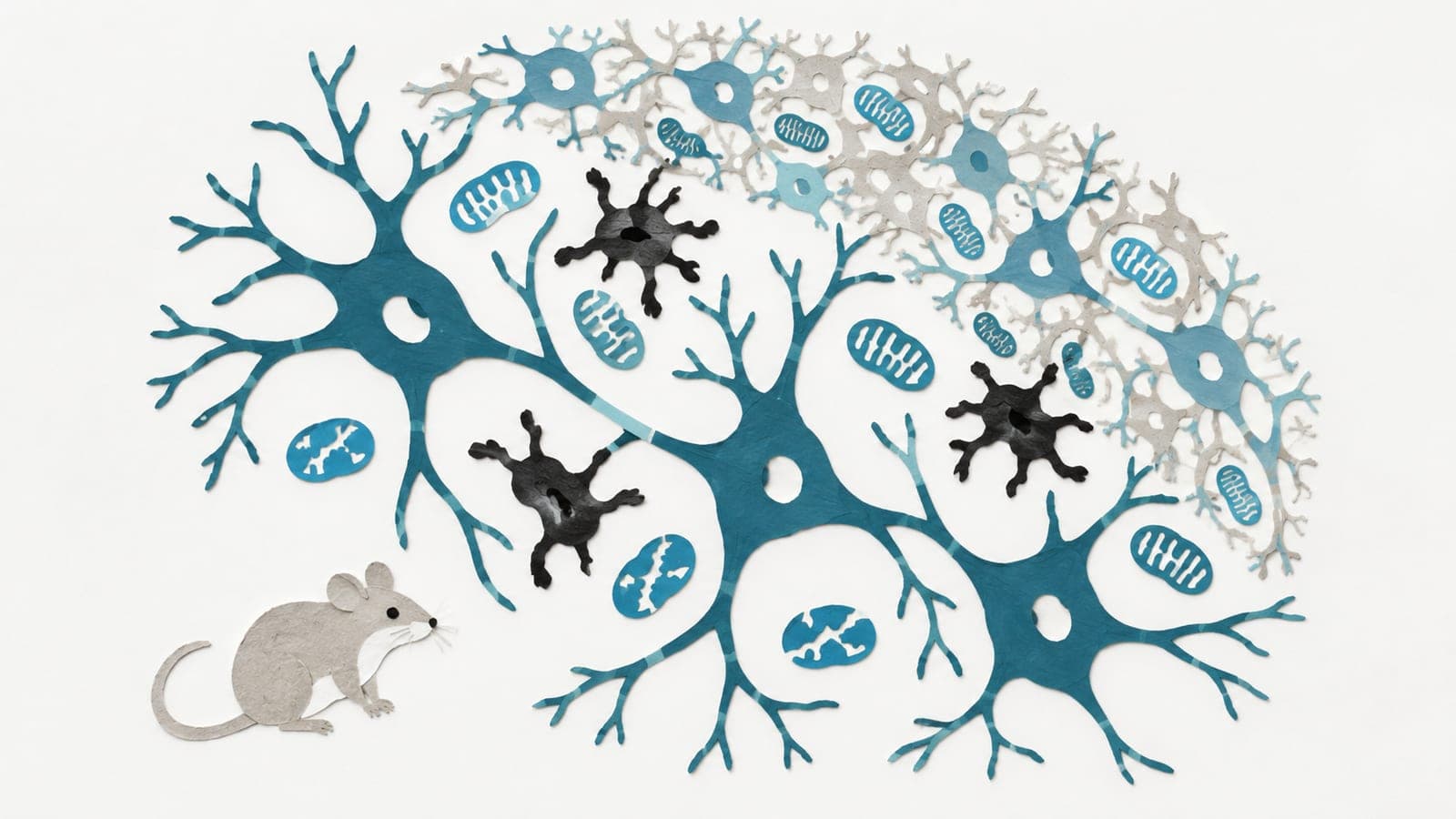
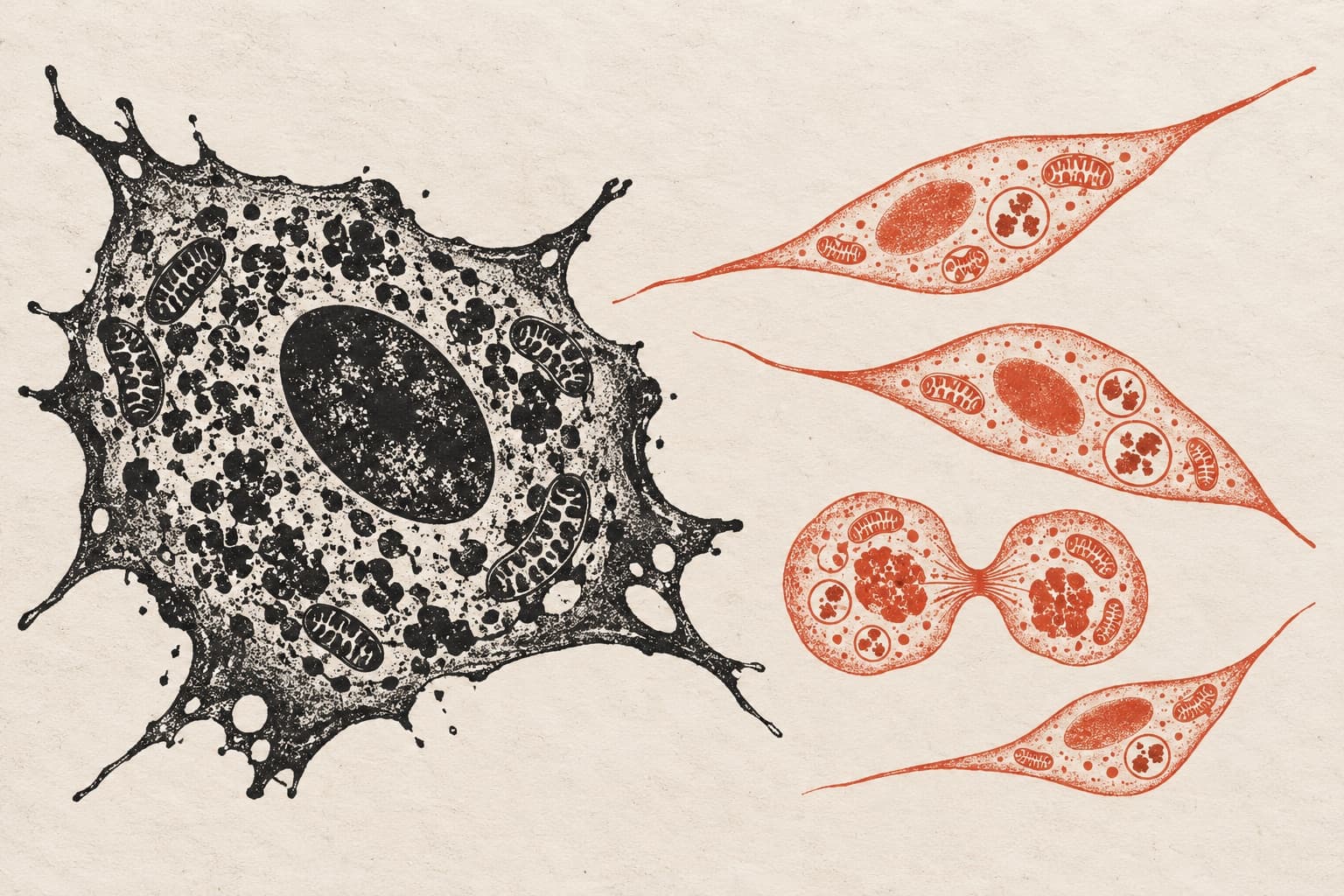
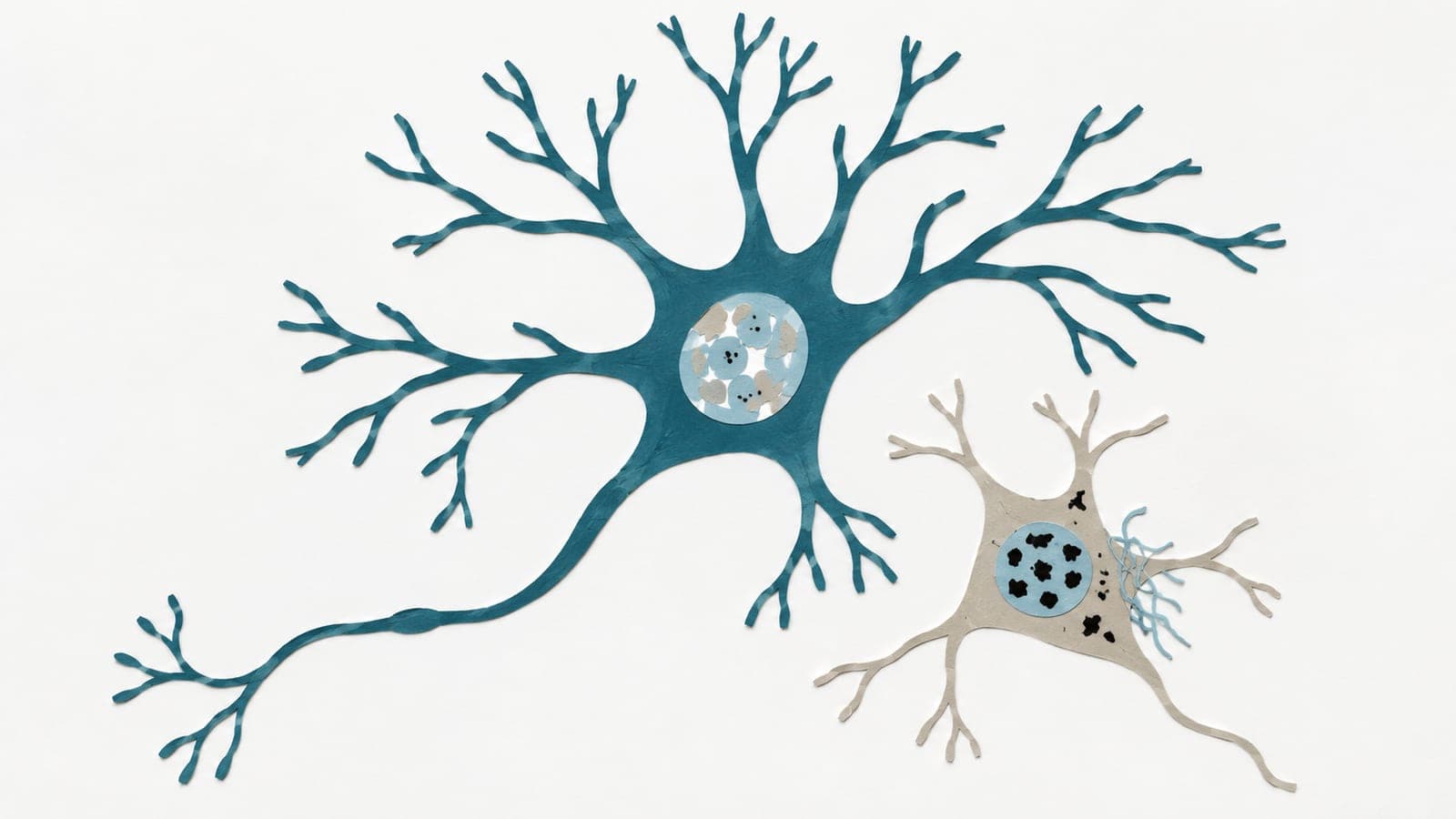
Arts syndrome is a rare X-linked recessive neurodevelopmental disorder arising from pathogenic variants in PRPS1, which encodes phosphoribosyl pyrophosphate synthetase 1-an enzyme essential for de novo nucleotide biosynthesis. Affected individuals typically exhibit sensorineural hearing loss, intellectual disability, cerebellar ataxia, and recurrent infections. However, despite the severity of these clinical manifestations, therapeutic interventions remain limited, largely due to an incomplete understanding of the cellular pathophysiology underlying the disorder. In this study, we generated patient-specific induced pluripotent stem cells harboring the PRPS1 p.V42L variant and differentiated them into neural stem cells (NSCs) and neurons to elucidate disease mechanisms and explore potential therapeutic strategies. Patient-derived NSCs demonstrated significantly reduced proliferative capacity, aberrant nuclear morphology, and increased neuronal senescence, while mitochondrial integrity and function were largely preserved. Neurons differentiated from these NSCs exhibited impaired neurite outgrowth and reduced branching complexity, indicative of disrupted neurodevelopmental processes. Notably, supplementation with nicotinamide mononucleotide, a precursor of nicotinamide adenine dinucleotide (NAD+), partially ameliorated defects in NSC proliferation, nuclear architecture, and neuronal morphology. Collectively, these findings delineate key cellular mechanisms underlying PRPS1-associated neurodevelopmental pathology and identify NAD+ metabolic augmentation as a promising therapeutic avenue for Arts syndrome and related PRPS1-mediated disorders.
The paper
Pusan National University; Pusan National University Children's Hospital
International Journal of Stem Cells, 6 Mar 2026