When minds collide: The combined impact of dementia and depression on survival
Abstract
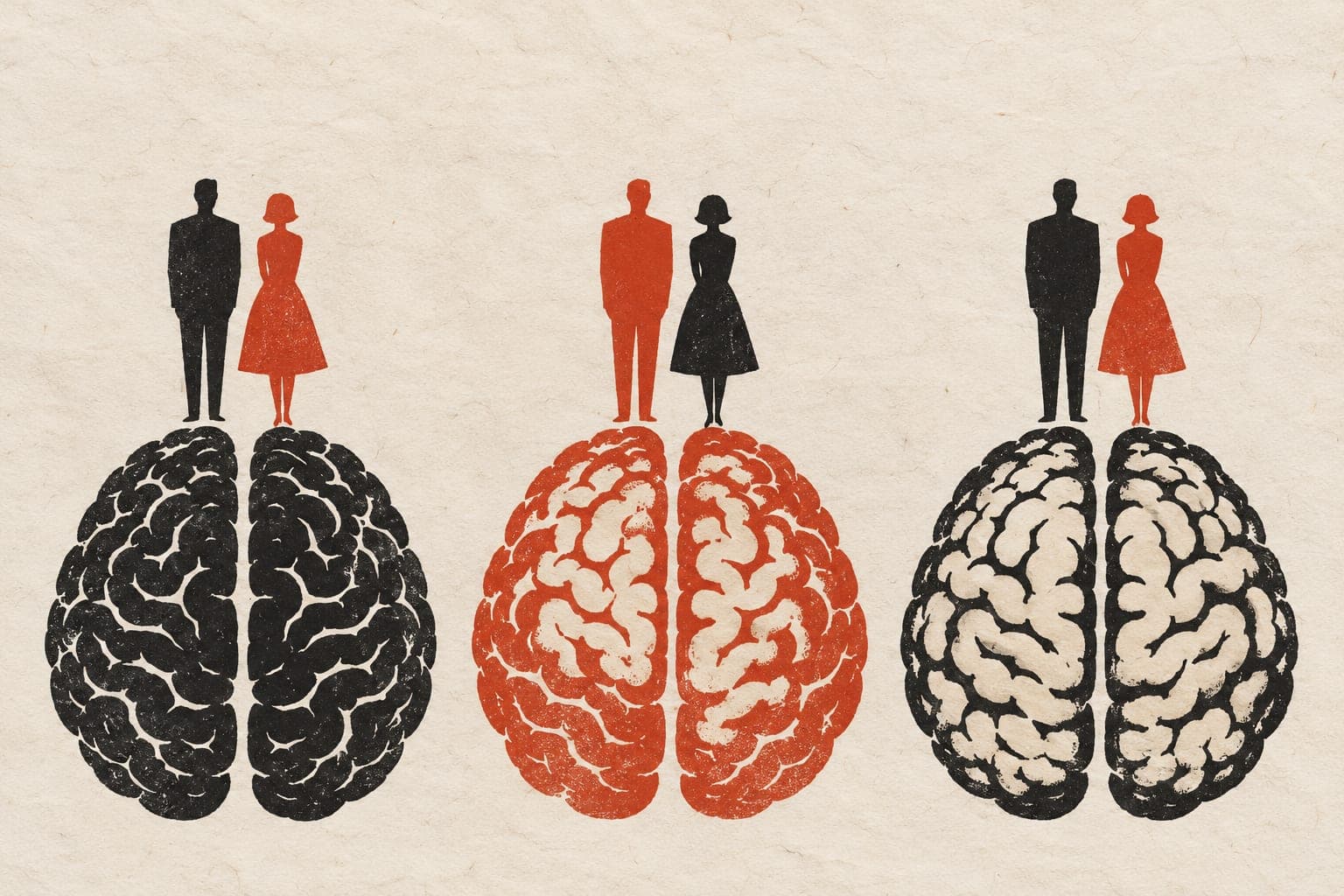
BACKGROUND: Dementia and depression are major public health concerns in aging societies and are independently associated with increased morbidity and mortality. However, their combined impact on survival remains insufficiently understood, particularly in Asian populations. OBJECTIVE: This study examined the independent and combined effects of dementia and depression on all-cause mortality among middle-aged and older Korean adults, with a focus on sex differences. METHODS: We used data from the Korean Longitudinal Study of Aging (KLoSA) spanning 2018-2022. A total of 6940 participants from the 7th wave (2018) were followed through 9th wave (2022) to determine survival status. Dementia was identified by self-reported physician diagnosis, and depressive symptoms were assessed using the CES-D-10. Mortality risk was evaluated using chi-square tests and Cox proportional hazards models, adjusting for demographic, health, and social activity factors. RESULTS: Compared with individuals without either condition, mortality risk was higher in participants with depression only (HR = 1.34, p = 0.071), dementia only (HR = 1.69, p = 0.011), and was substantially elevated in those with comorbid dementia and depression (HR = 4.72, p < 0.0001). Men with comorbidity showed the highest risk (HR = 10.59), exceeding that observed in women (HR = 4.57). Limited social activity was also associated with increased mortality. CONCLUSION: Dementia and depression were each associated with increased mortality, and their co-occurrence was associated with elevated risk, particularly among men. These findings underscore the importance of integrated and sex-sensitive management strategies to reduce excess mortality in aging populations.
The paper
Dankook University
Journal of Affective Disorders, 24 Feb 2026