Diminished spleen iron and kidney copper in the chronic food restricted rat
Abstract
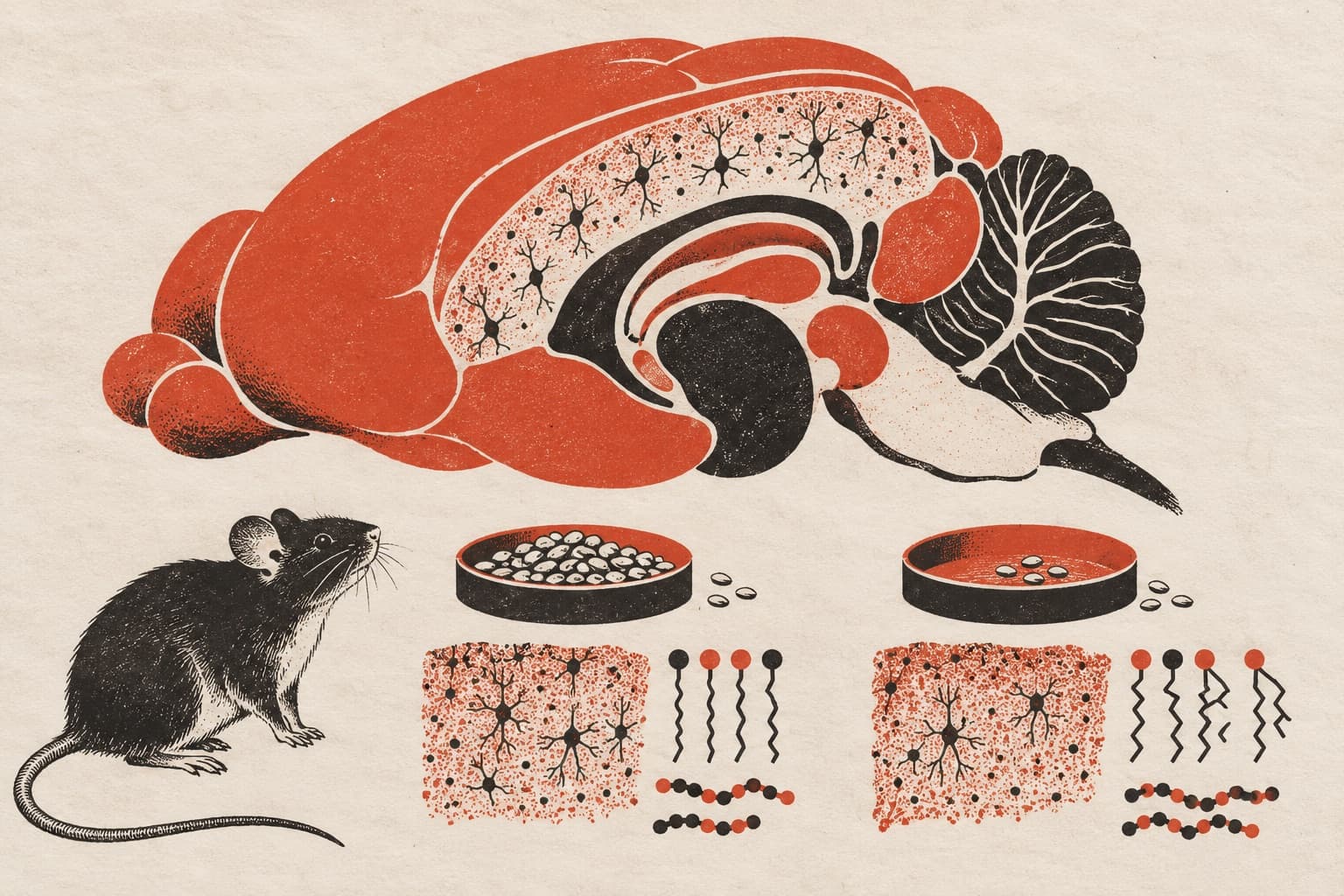
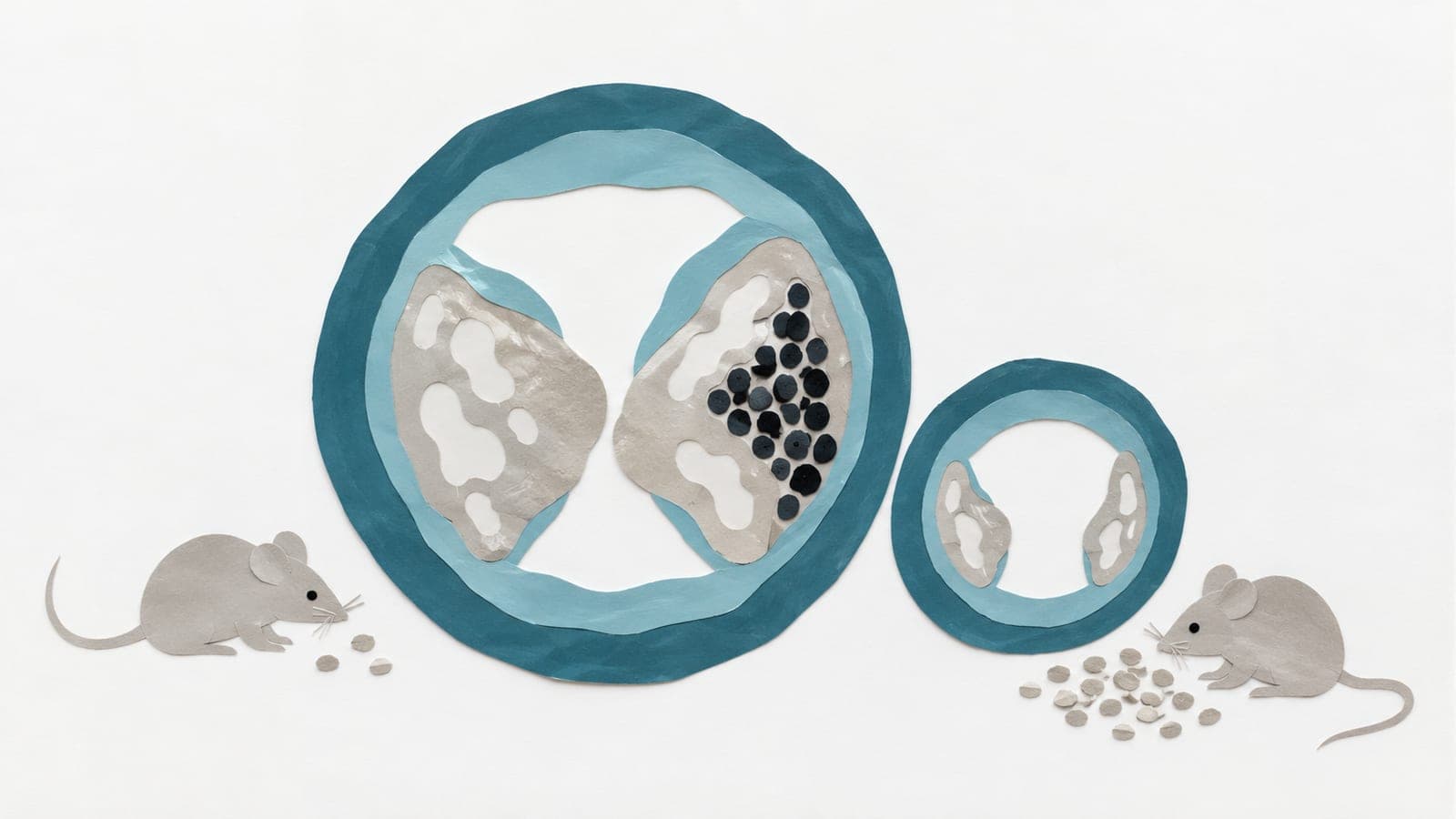
The effects on metal accumulation in various organs of the Wistar rat were analyzed after applying a protocol of dietary restriction to half the quantity of food consumed by the mother prior to mating, during gestation, lactation, and applied also to the offspring, postweaning. The present paper reports a follow-up study that tested whether changes of metal ion distribution in the main organs of 60-day-old rats of both sexes exposed to this treatment were reproduced when the dietary restriction was extended another month, resulting in 90-day-old rats. Here, additional analyses of serum metal ions and serum proteomics were included. Results confirmed that copper normally stored in the kidney of animals fed ad libitum accumulates instead in the liver and pancreas of animals from the dietary restriction group, without any change in serum. Consistently, proteomic analysis revealed no changes in ceruloplasmin and instead showed hallmarks of intravascular hemolysis in the dietary restricted group of rats. Iron was low in spleen and high in liver and pancreas. Thus, dietary restriction led to physiological redistribution of iron and copper between different organs. We discuss these changes in the framework of systemic metal homeostasis.
The paper
Centro de Investigación y de Estudios Avanzados del Instituto Politécnico Nacional
Metallomics, 31 Jan 2026