Copper-binding protein deficiency linked to higher bone mass in mice
Experiments in mice whose ovaries had been removed linked ceruloplasmin deficiency to higher bone mass at the tissue level.
Scientific Reports
In mice whose ovaries had been removed, experiments linked deficiency of ceruloplasmin, a major copper-binding protein, to higher bone mass at the tissue level.
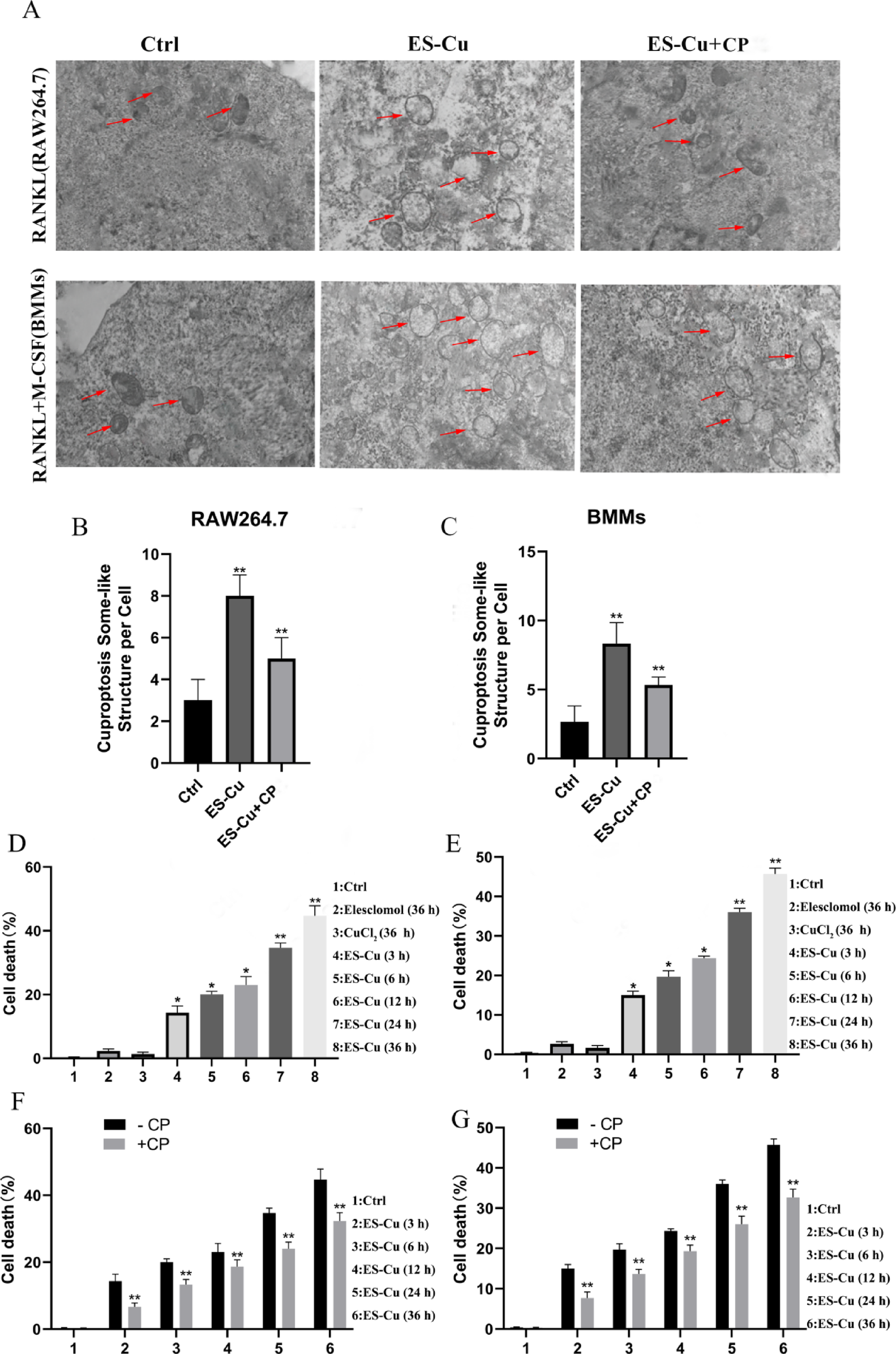
The researchers also studied osteoclasts, cells that break down bone. They exposed these cells to a compound called elesclomol combined with copper. Ceruloplasmin inhibited the resulting cell death resembling cuproptosis, a form of cell death triggered by excess copper. This promoted osteoclast formation and overall bone breakdown. Ceruloplasmin also reduced the activity of genes related to cuproptosis. During osteoclast formation, the protein suppressed activation of a cell-signalling pathway triggered by the elesclomol–copper exposure.
Why it matters
Bone breakdown is relevant to osteoporosis, a condition in which bones become weaker. The researchers suggested that targeting ceruloplasmin may offer a potential strategy for postmenopausal osteoporosis.
Caveats
The evidence came from mouse and osteoclast experiments, not a study in people. The study did not establish a direct causal link between the signalling pathway and ceruloplasmin’s effect on cell death.
The paper
Chen G, Yan F, Xiong Q et al.
Scientific Reports · 8 Oct 2026 · CC BY