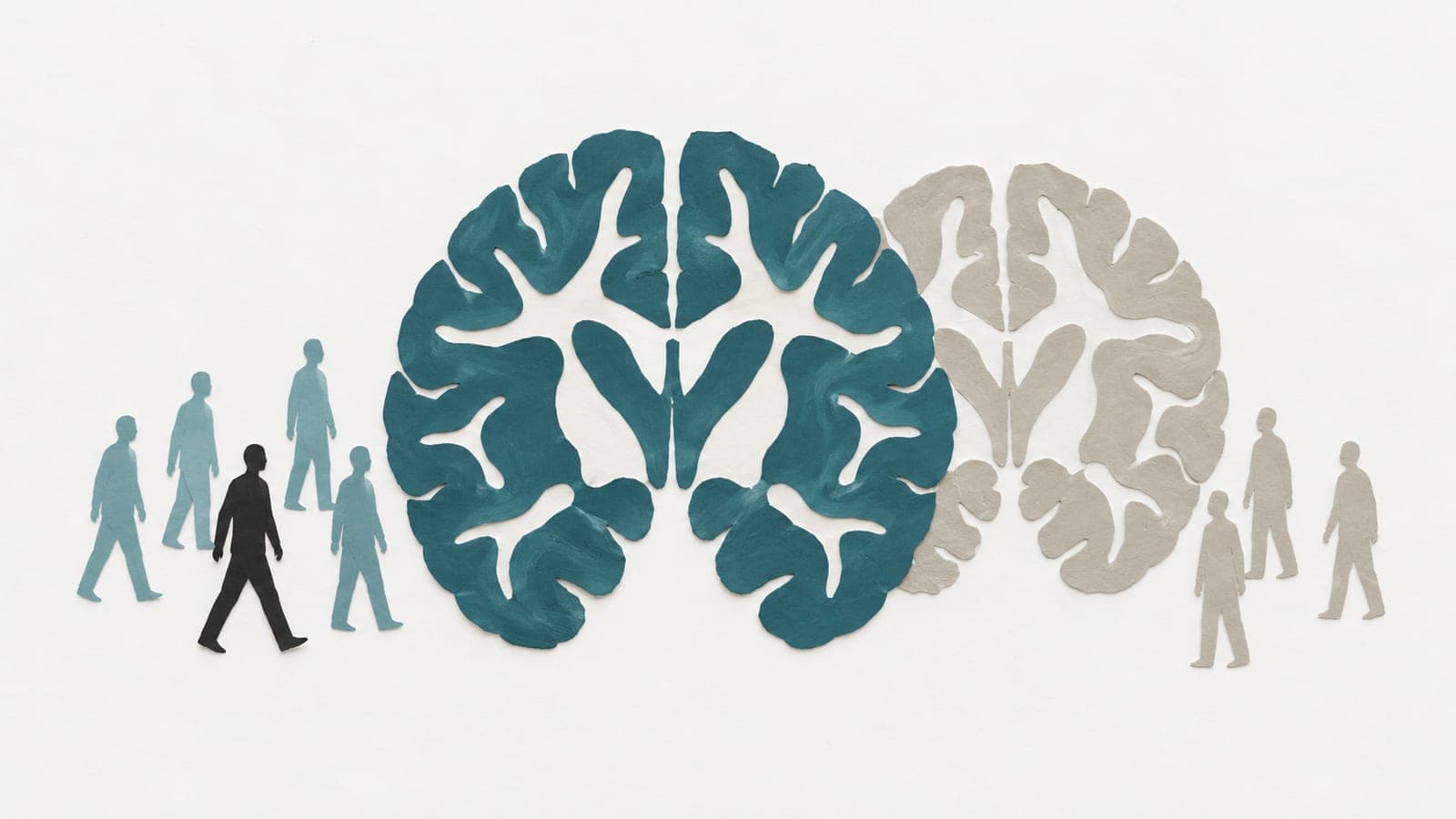
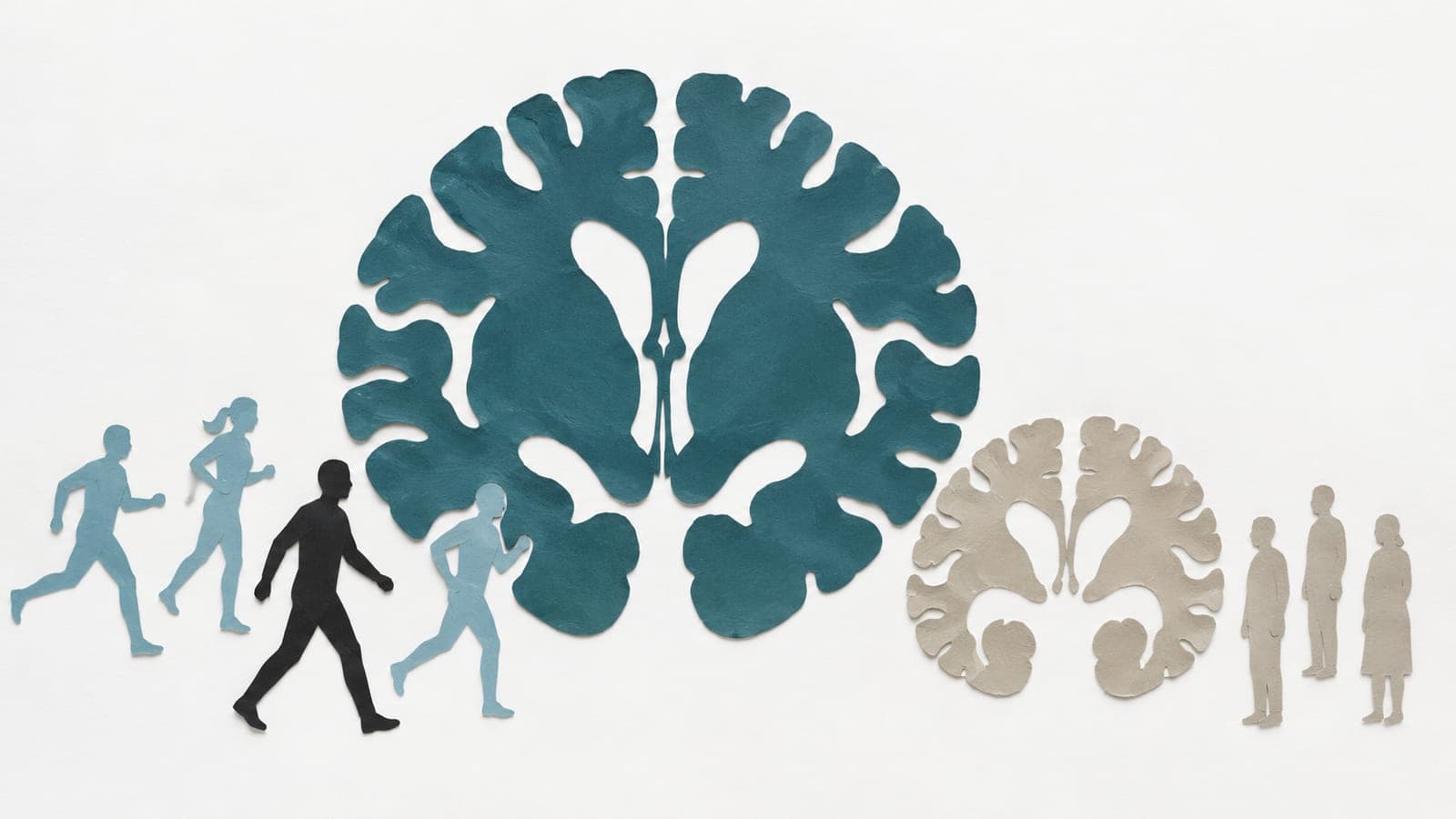
Concurrent associations between visit-to-visit changes in actigraphy-based physical activity and cognitive aging in older adults
Abstract
Physical activity (PA) is associated with lower dementia risk, yet few studies examine objectively measured PA with concurrently measured brain and cognitive aging outcomes longitudinally, leaving a gap in knowledge regarding temporality of these brain-behavior associations. We examined how longitudinal within-person changes in average daily step count track with changes in memory, executive function, hippocampal volumes, white matter hyperintensities (WMH), and depressive symptoms over time. 107 older adults completed neuropsychological testing and brain magnetic resonance imaging, followed by 30-day Fitbit monitoring at two or more annual study visits at the UCSF Memory and Aging Center. Linear mixed-effects models examined each brain health outcome as a function of visit-to-visit PA, time (years since baseline), baseline age, sex, education, and total intracranial volume (neuroimaging models only). Within-person increases in daily step count were most strongly associated with within-person increases in executive functioning (Std. β = 0.128, 95 %CI [0.056, 0.200], p ≤ 0.001) and decreases in depressive symptoms (Std. β = -0.201, 95 %CI [-0.284, -0.119], p ≤ 0.001). Longitudinal PA associations with memory, hippocampal volumes, and WMH did not reach statistical significance. Findings suggest that within-person changes in PA may reduce real-time risk of cognitive decline; additionally, real-world monitoring of movement via actigraphy may be sensitive to early and subtle aspects of neurobehavioral declines with aging.
The paper
University of California, San Francisco
Neurobiology of Aging, 15 Jan 2026