Daily movement may help explain links between personality and memory
Higher daily step counts statistically accounted for 19% of the memory link with being outgoing and 7% of the link with being conscientious.

In a cross-sectional observational study, researchers assessed 2,471 people aged 50 to 89 from the English Longitudinal Study of Ageing. They measured personality and memory in 2021–2022 and recorded movement using accelerometers, sensors that detect movement.
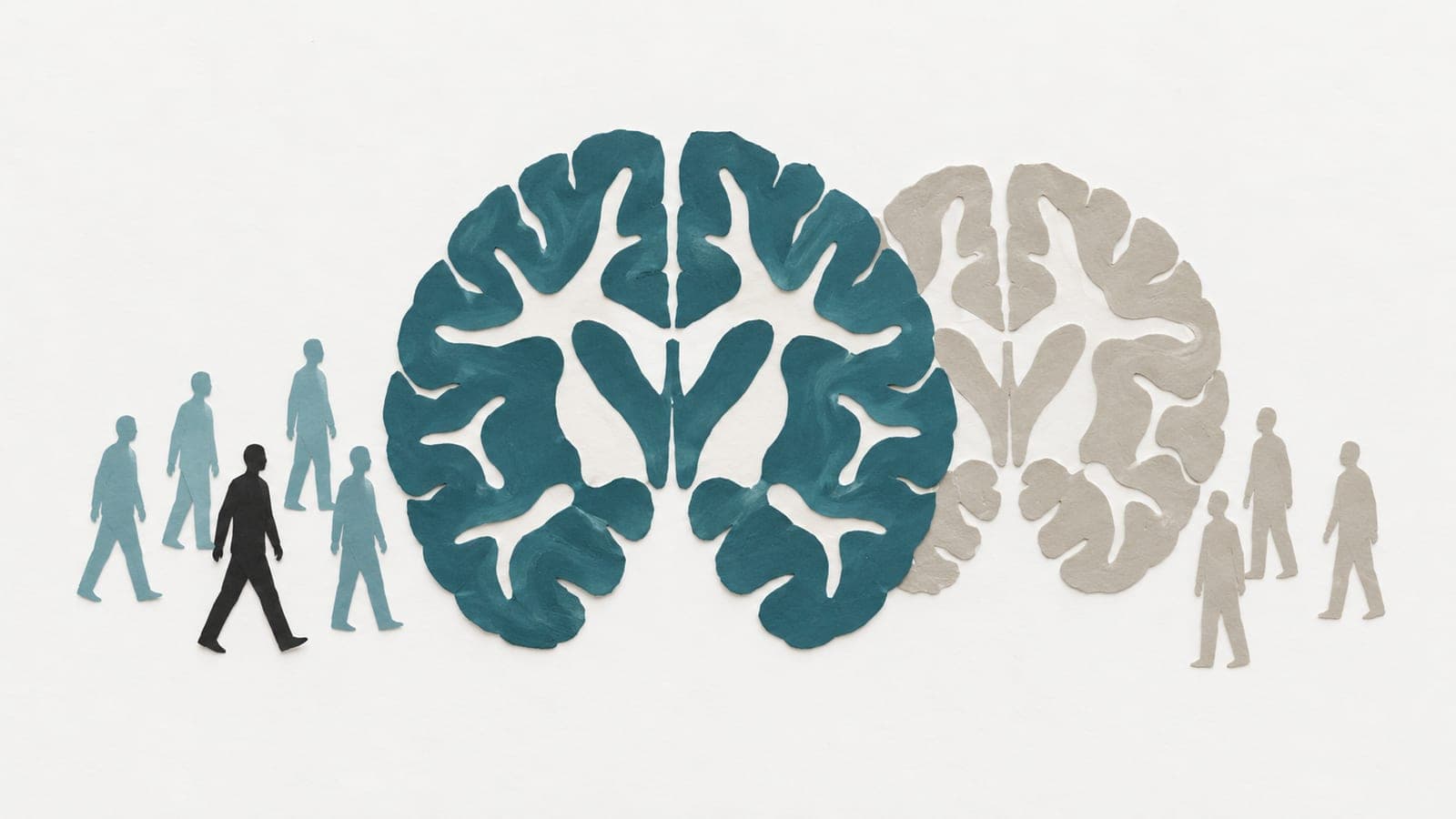
People who were more outgoing, open to new experiences or conscientious—organised and self-disciplined—had better memory performance. Higher neuroticism, a tendency towards negative emotions, was associated with poorer memory. Higher daily activity and less sedentary behaviour, such as sitting, statistically accounted for part of the memory links with being outgoing and conscientious. Overall physical activity accounted for 25% and 12% of those links, respectively. The researchers suggested that physical activity may help explain associations between personality and memory.
Why it matters
Memory in later life is an important aspect of cognitive aging. This study addresses whether everyday behaviour could help account for memory differences associated with personality in older adults.
Caveats
All measures came from the same study wave, so this cross-sectional analysis could not establish which came first or whether the links were causal. Statistical mediation does not establish a causal pathway.
- Physical activity
- Light physical activity
- Moderate-to-vigorous physical activity
- Memory performance
- Overall physical activity
- Humans
The paper
Personality and memory: accelerometer-measured physical activity as a potential explanatory pathway
University of Montpellier; College of Medicine
Aging & Mental Health, 12 Oct 2026