More daily steps modestly improved one thinking test score
Over 12 months, adults with mild cognitive impairment scored 1 point higher on the Montreal Cognitive Assessment than controls maintaining usual activity.
Frontiers in Aging Neuroscience
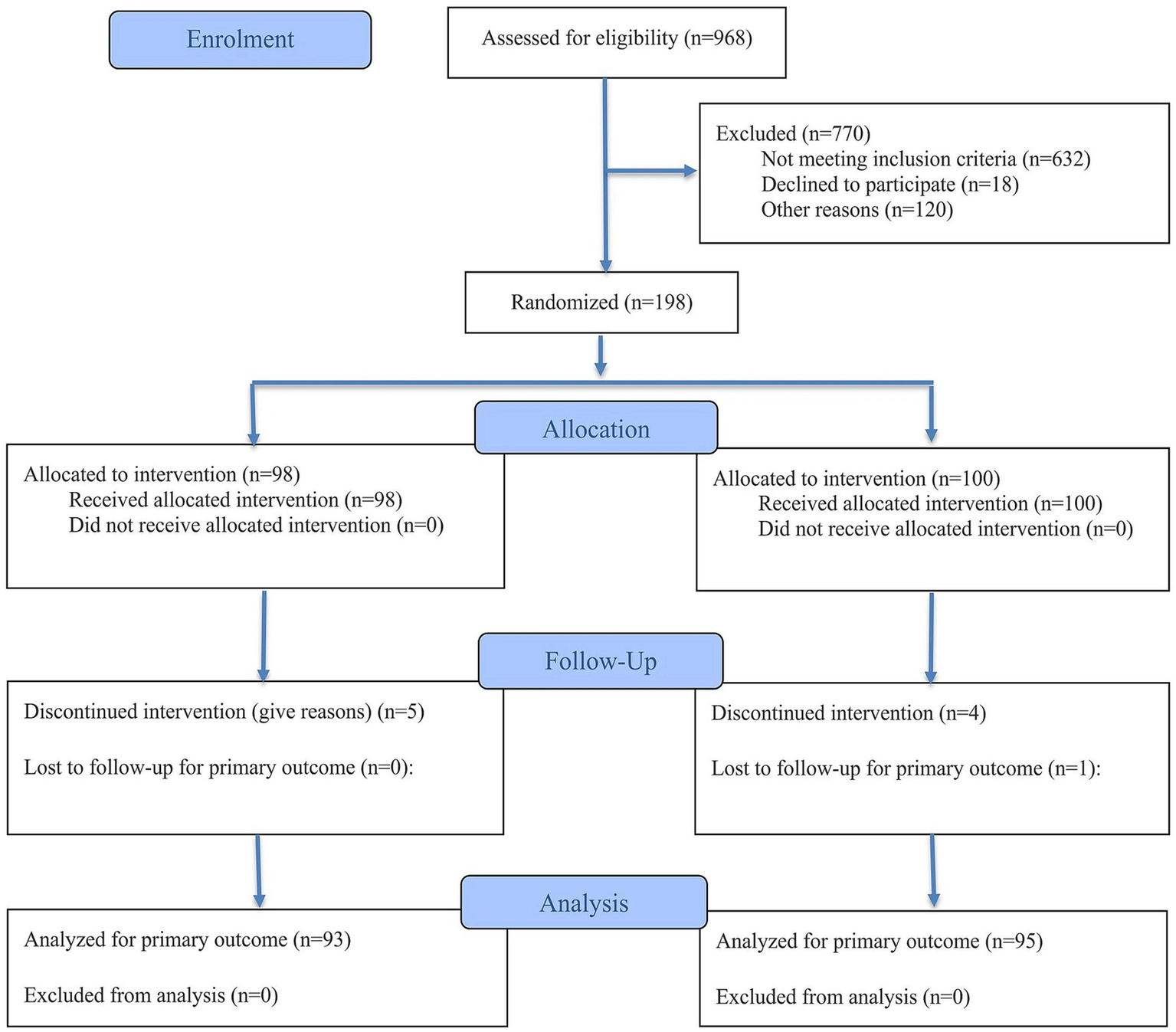
The randomised trial enrolled 198 community-dwelling Caucasian adults aged 50–70 with mild cognitive impairment, a decline in memory or thinking. All owned smartphones. Researchers assigned 98 to aim for at least 10,000 steps daily and 100 to maintain usual activity. Wrist-worn trackers monitored activity for 12 months; 188 participants completed the study.
The intervention group recorded a median of 1,728 more daily steps than controls. Its Montreal Cognitive Assessment score, a measure of thinking abilities, was 1 point higher. The range of likely values for that score difference included no difference. Evidence from the broader cognitive tests was limited and largely exploratory. The researchers found no differences in brain volume, measured markers of nerve-cell deterioration, body composition or metabolism.
Why it matters
For adults with mild cognitive impairment, maintaining memory and thinking is an important concern as they age. The trial addressed whether a sustained daily step goal could support these abilities.
Caveats
The fixed daily step target was not tailored to participants’ starting activity. Participants had moderate baseline activity and were Caucasian smartphone owners aged 50–70.
- Walking
- Mild cognitive impairment
- Montreal Cognitive Assessment
- Brain volume
- Cambridge Neuropsychological Test Automated Battery
- Humans
The paper
Increasing daily step count in mild cognitive impairment: a 12-month randomised controlled trial
Show 13 more authors
Joanna Popek, Edyta Mądry, Patrycja Krzyżanowska-Jankowska, Katarzyna Karmelita-Katulska, Anna Miśkiewicz-Chotnicka, Szymon Kurek, Radosław Trepanowski, Joanna Bajerska, Aleksandra Lisowska-Walkowiak, Ewa Wysocka, Marcin Żarowski, Jan Krzysztof Nowak, Karl-Heinz Herzig,Poznan University of Medical Sciences
Frontiers in Aging Neuroscience · 23 Sep 2026