Better physical performance linked to weaker age–thinking link
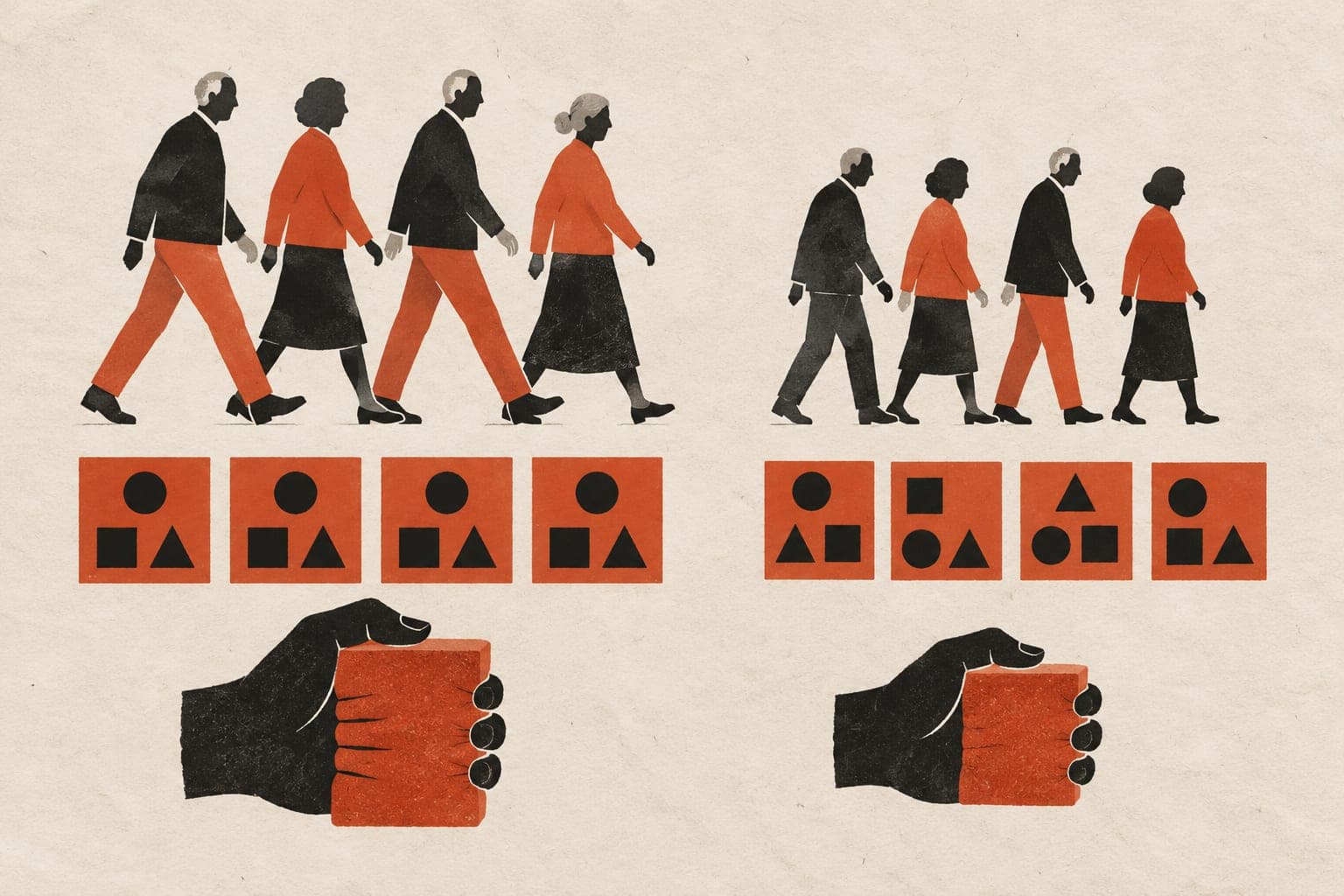
A cross-sectional analysis of 920 adults aged 60–85 at high dementia risk found the association was weaker at higher walking speed, grip strength and leg power.
Journal of Cachexia, Sarcopenia and Muscle
Researchers conducted a cross-sectional observational analysis of 920 community-dwelling older adults aged 60–85 at high dementia risk. They measured executive function, the mental skills used to manage attention and behaviour, with two tests. They also measured walking speed, handgrip strength and peak leg muscle power.
Higher physical performance was associated with a weaker relationship between age and executive function. This held after accounting for sex, socioeconomic status, depressive symptoms, heart and metabolic conditions, body mass index and smoking. The association was most consistent for walking speed, but its pattern differed by sex and by the executive-function test.
Why it matters
Executive function supports independence in later life. The study bears on whether maintaining physical performance might help preserve these skills as people age.
Caveats
This cross-sectional analysis captured one point in time, so it could not show whether maintaining physical performance preserves executive function. The findings may not apply to older adults without elevated dementia risk.
The paper
Show 9 more authors
Miren Altuna, Carolina López, Ainara Estanga, Maite García-Sebastián, María de Arriba, Naia Ros, Jon Saldias, Marina Limousin, Pablo Martínez-Lage,Hospital Universitario de Navarra (HUN)-Universidad Pública de Navarra (UPNA)
Journal of Cachexia, Sarcopenia and Muscle · 1 Oct 2026