Construction of biomimetic gradient-structured cartilage organoids and mechanistic study of their application for cartilage rejuvenation
Abstract
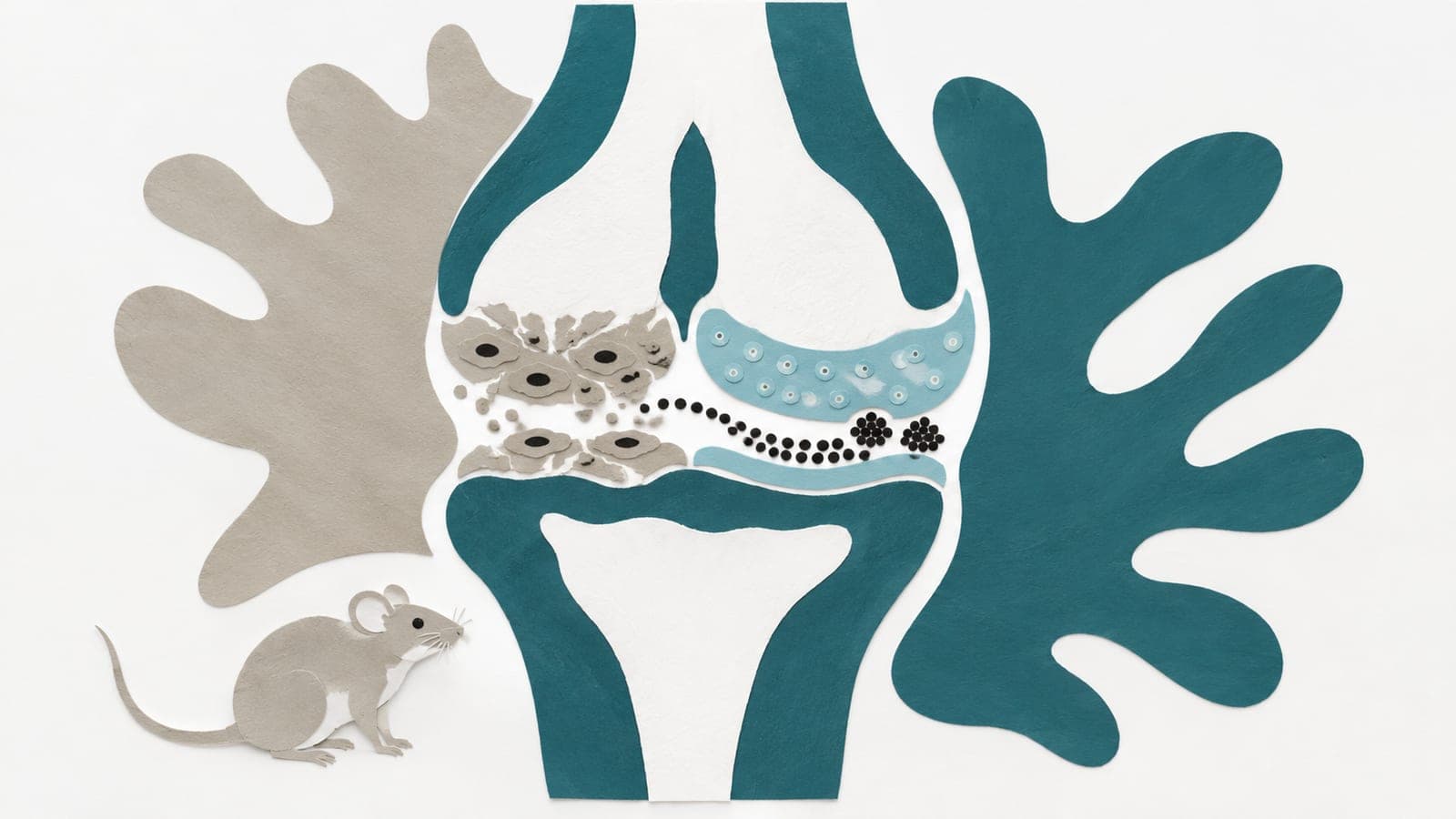
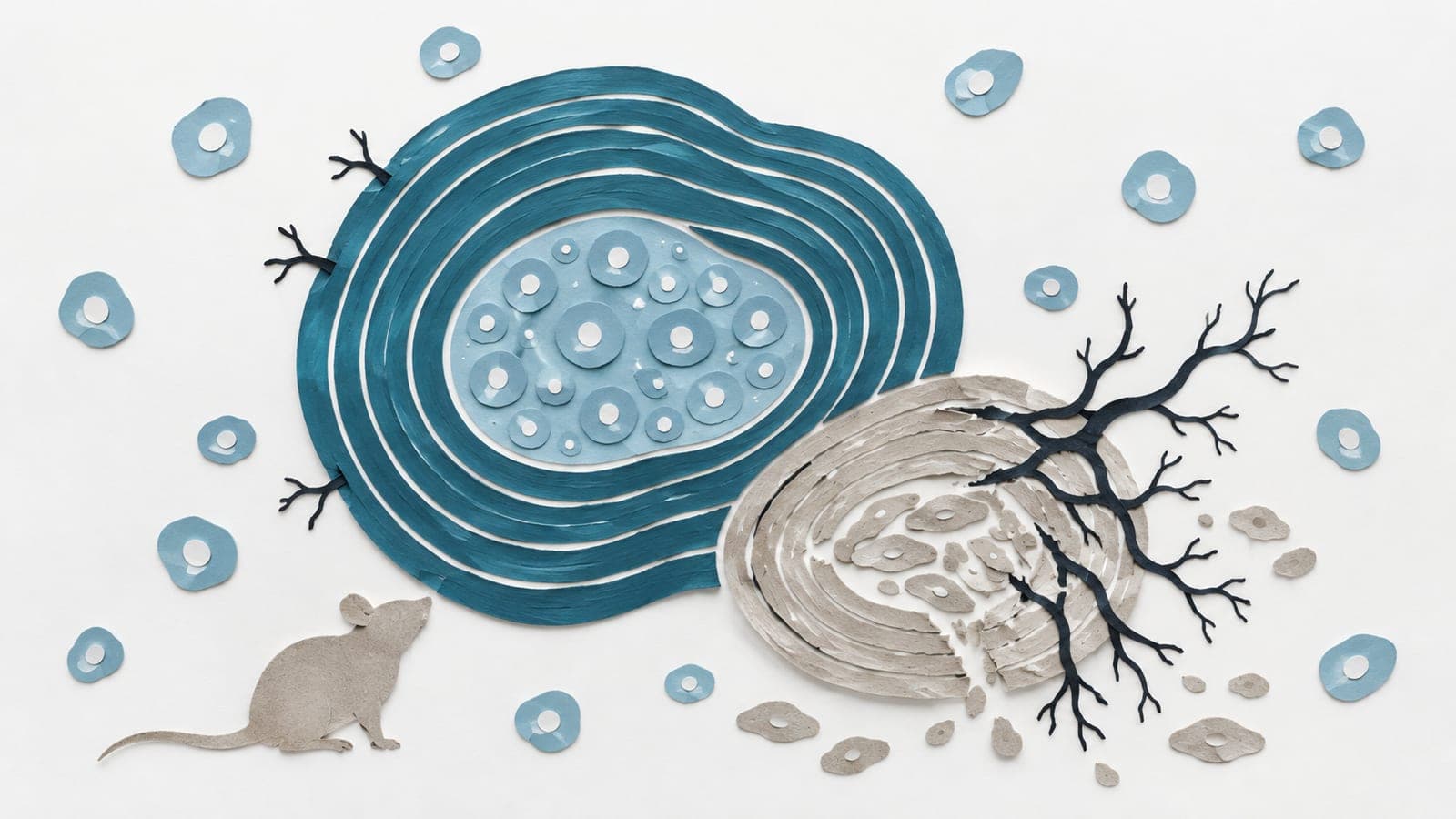
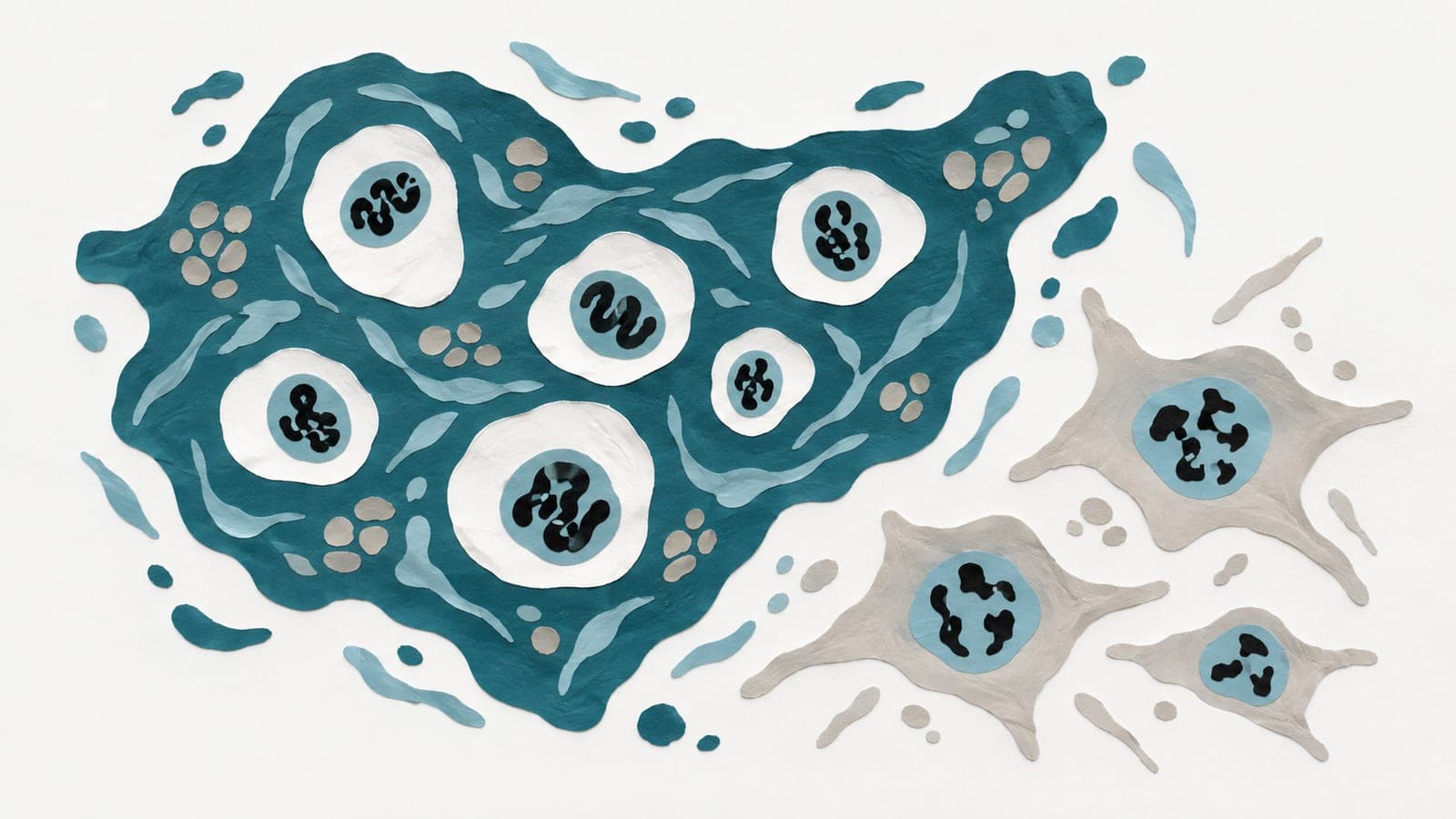
Articular cartilage damage, an important cause of osteoarthritis (OA), is often caused by a senescent cartilage microenvironment and insufficient repair of chondrocytes. These effects are due to limited availability and a depleted stemness phenotype of chondrocyte stem cells, leading to the failure of cartilage repair and exacerbation of symptoms. In this study, a biomimetic gradient-structured cartilage organoid (BGSC-organoid) culture system was developed using decellularized cartilage extracellular matrix infused with extracellular vesicles from SOX9-overexpressing bone marrow-derived stem cells (SBEVs) to induce the rejuvenation of senescent chondrocytes. Single-cell sequencing revealed that a subpopulation of chondrocytes could be rejuvenated in the BGSC-organoid culture system. Moreover, an ex vivo osteoarthritis-on-a-chip (OAOC) model with cyclic mechanical stimulation was constructed to simulate the mechanical microenvironment of cartilage. BGSC-organoids exhibited sustained release of chondrocyte-protective factors and good mechanical resistance through the Vimentin/14-3-3/FOXO3 pathway. Animal studies showed that BGSC-organoids preserved a hyaline-like cartilage phenotype in vivo and delayed the degeneration of articular cartilage and intervertebral discs. Efficient expansion of human cartilage organoids with enhanced regenerative capabilities represents a promising approach for joint regeneration.
- Organoids
- Biomimetic gradient-structured cartilage organoid
- SOX9
- Cellular senescence
- Articular cartilage damage
- Humans
The paper
Shanghai Jiao Tong University
Bioactive Materials, 5 Jan 2026