Targeting the CMKLR1-Mediated Signaling Rebalances Immunometabolism State in Middle-Age Testicular Macrophages
Abstract
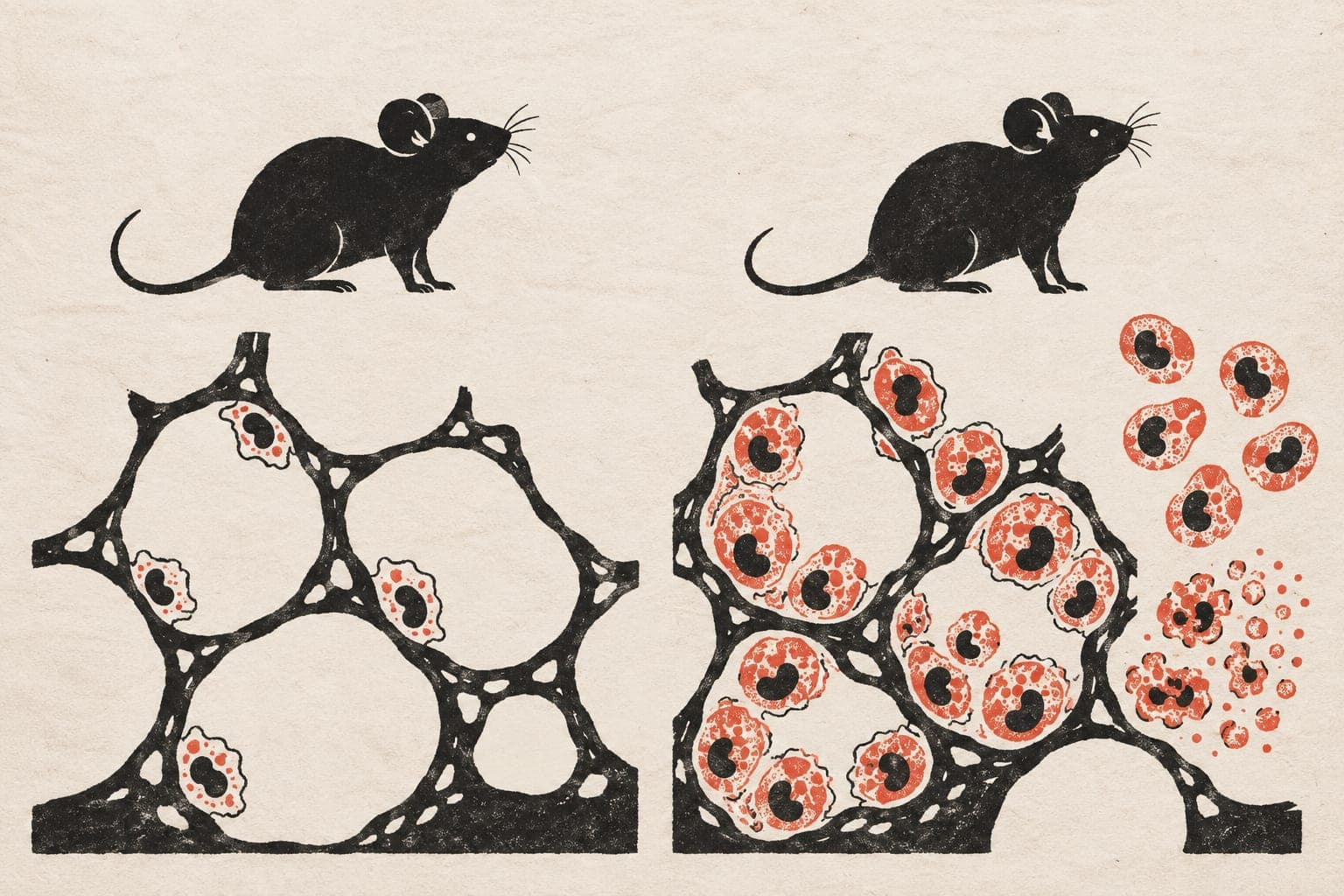
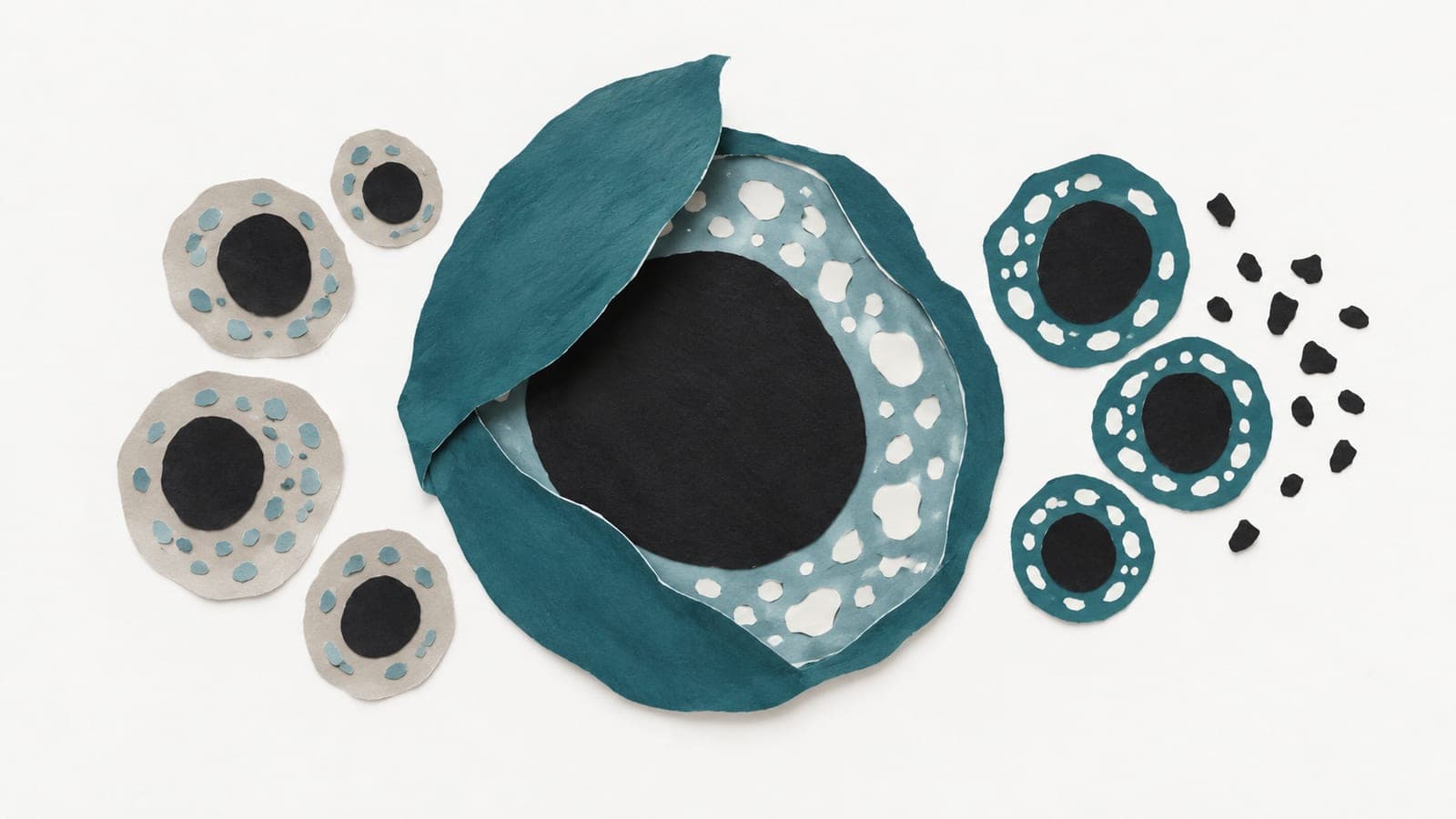
Age-related male hypogonadism is often associated with obesity-related metabolic disorders and impaired regulation of the testicular anti-inflammatory microenvironment. However, how adipose-mediated signals intersect with local testicular immunity remains unclear. In this study, single-cell RNA sequencing (scRNA-seq) of human and mouse testes identified a conserved CD206LoMHCIIHi macrophage subset, which undergoes CMKLR1-mediated metabolic reprogramming toward glycolysis and pro-inflammatory state during middle age. This immunometabolic shift is further found to impair spermatogenesis. CMKLR1 is identified as a viable target in vivo for restoring immunometabolic balance in aging testes. Systemic administration of a newly developed CMKLR1 antagonist peptide (P12C5) or non-pharmacological intervention such as high-intensity interval training (HIIT) rescued spermatogenesis in middle-aged humans and mice, and reversed the pro-inflammatory immunometabolic phenotype in testicular macrophages. Together, these findings validate CMKLR1 as a key modulator of testicular immunometabolism and a therapeutic target for mitigating age-related immunometabolic dysfunction.
The paper
Chinese Academy of Sciences
Advanced Science, 15 Jan 2026, Open access