Aging Mediates Inflammatory Transformation of Kidney-Resident Macrophages via Thrombospondin-1 Signaling
Abstract
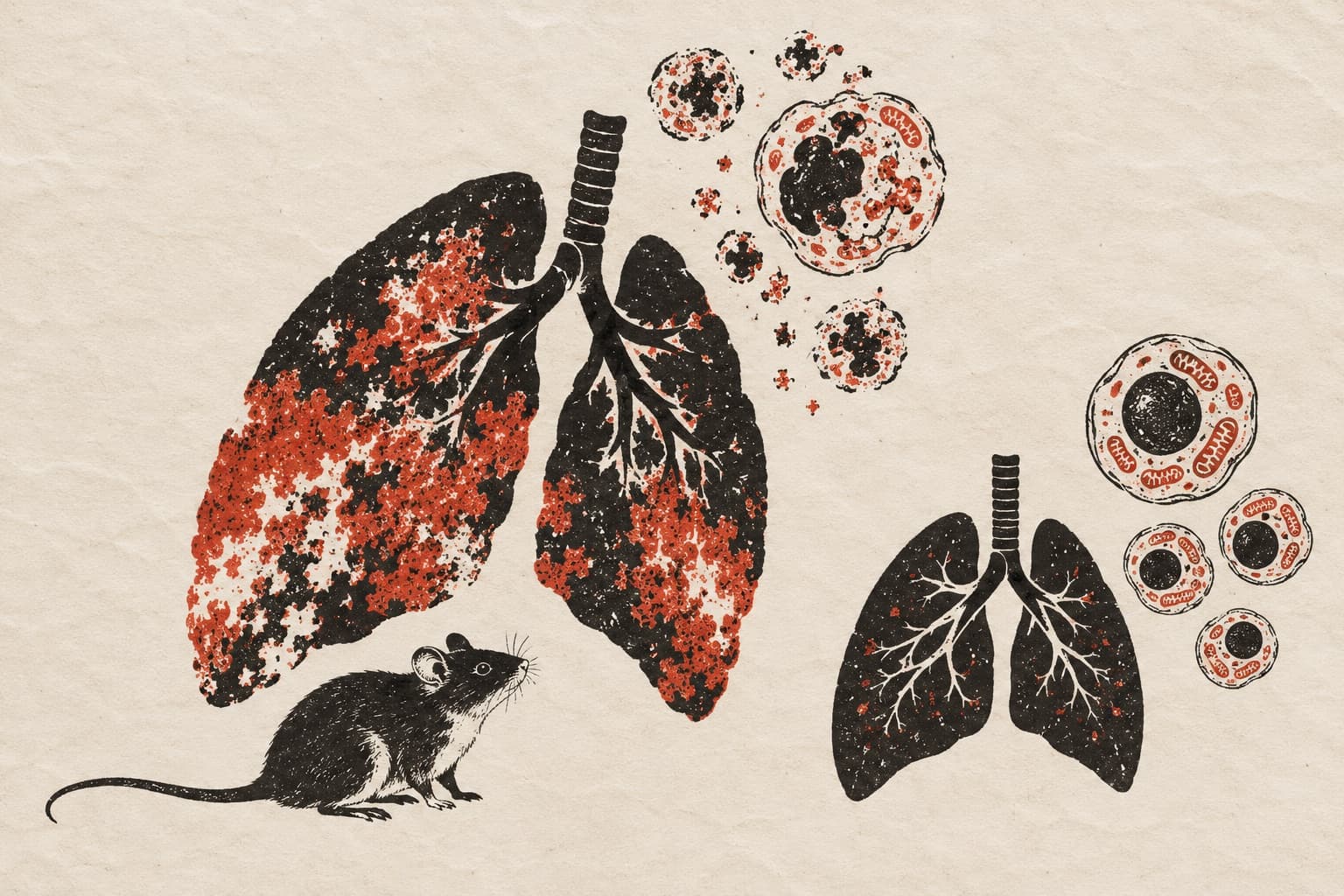
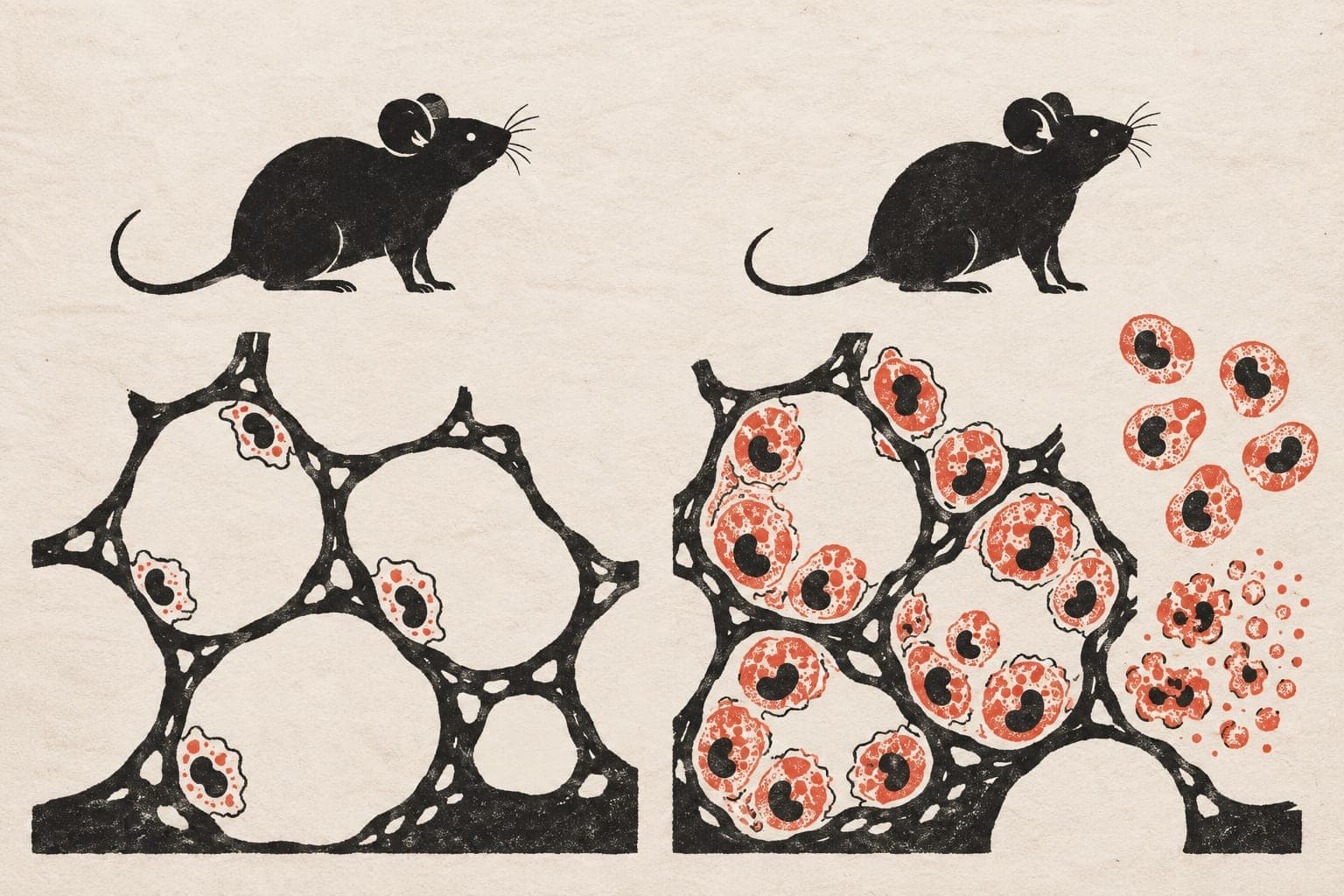
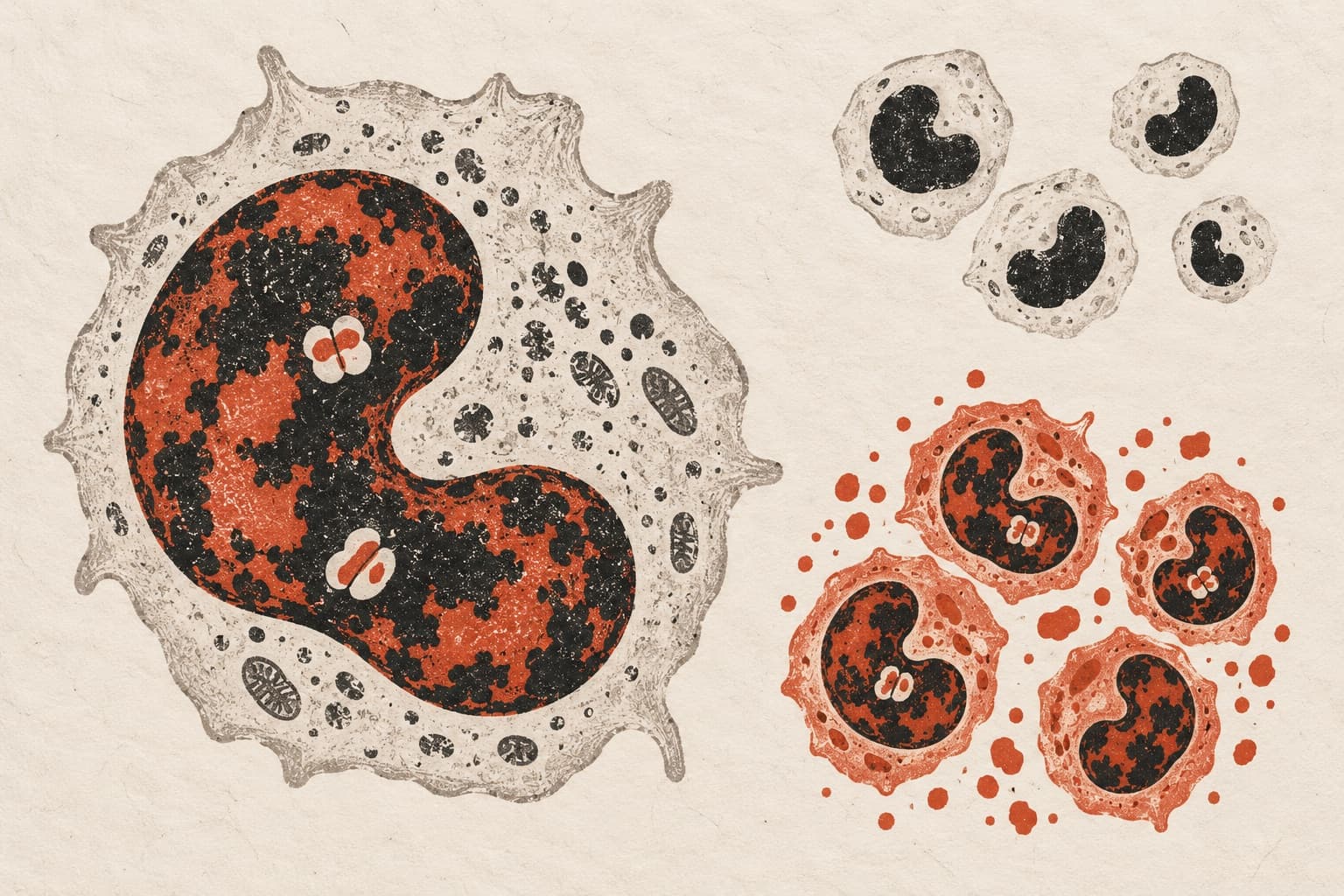
Kidney-resident macrophages (KRMs) are long-lived immune cells crucial for maintaining kidney homeostasis, with roles that vary depending on kidney condition. Their phenotypes can exert different effects on kidney status, but how the phenotypes of KRMs evolve in aged kidneys and the resulting impacts on kidney homeostasis remain poorly understood. Through single-cell RNA sequencing, we identified a phenotypic shift in KRMs within aged kidneys characterized by increased oxidative phosphorylation (OXPHOS), which stemmed from crosstalk with surrounding tubules. Among these interactions, thrombospondin-1 (THBS1), derived from tubules, has emerged as a pivotal factor driving OXPHOS in KRMs. Experiments confirmed that THBS1 increased OXPHOS in cultured macrophages, polarizing them toward an inflammatory phenotype marked by the production of IL-1β and IL-10. This shift contributes to the inflammatory state of aged kidneys. Finally, we validated these findings in human kidney tissues from elderly individuals. In conclusion, aged kidneys harbor phenotypically altered KRMs that promote an inflammatory microenvironment, with THBS1 playing a central role in this process. These results underscore the importance of exploring therapeutic strategies targeting this pathway to mitigate the inflammatory shift in aged kidneys.