Effect of Endurance Exercise Training on the Kidneys of the Senescence-Accelerated Mouse Prone 8 Model
10 weeks
Abstract
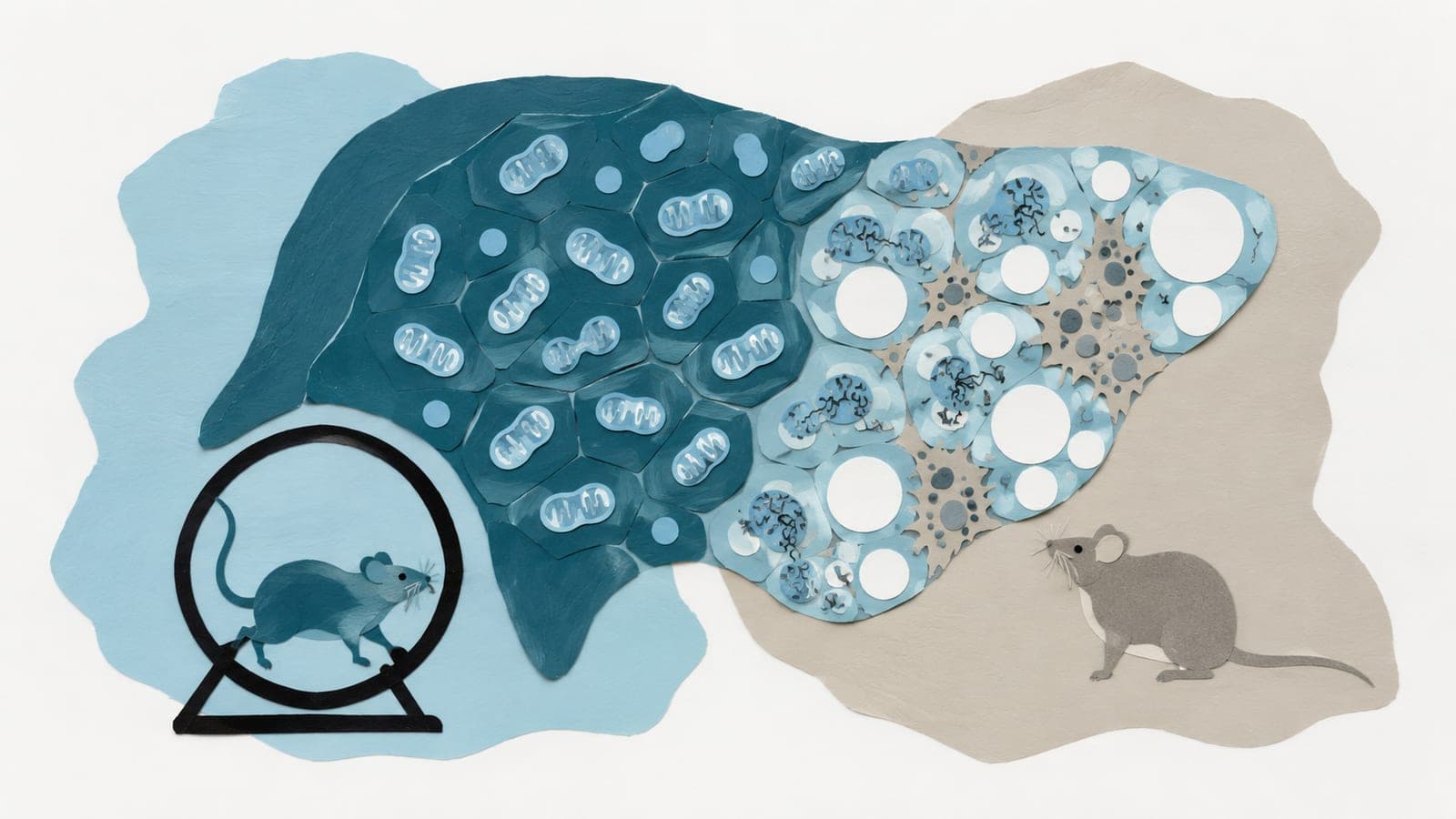
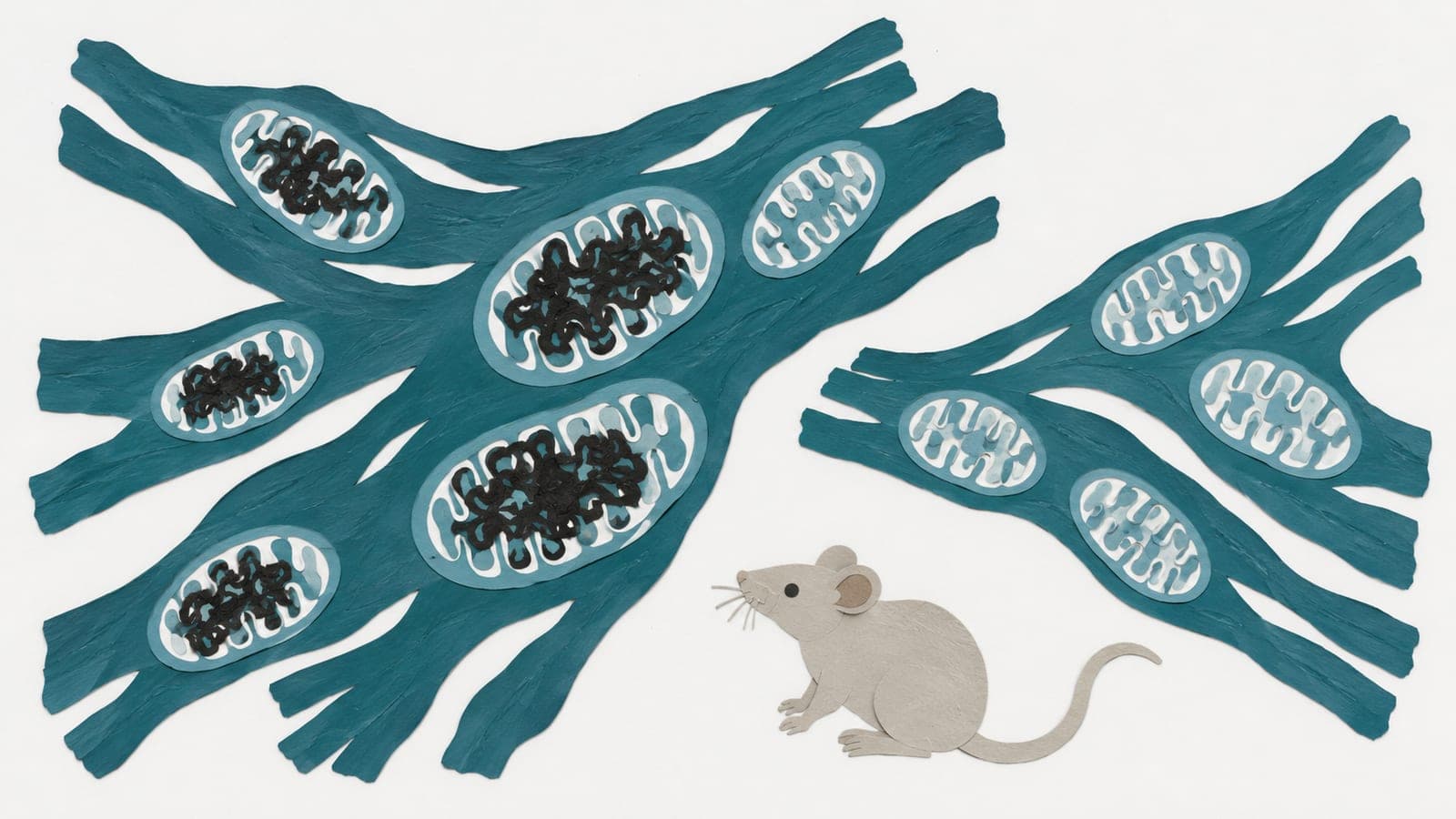
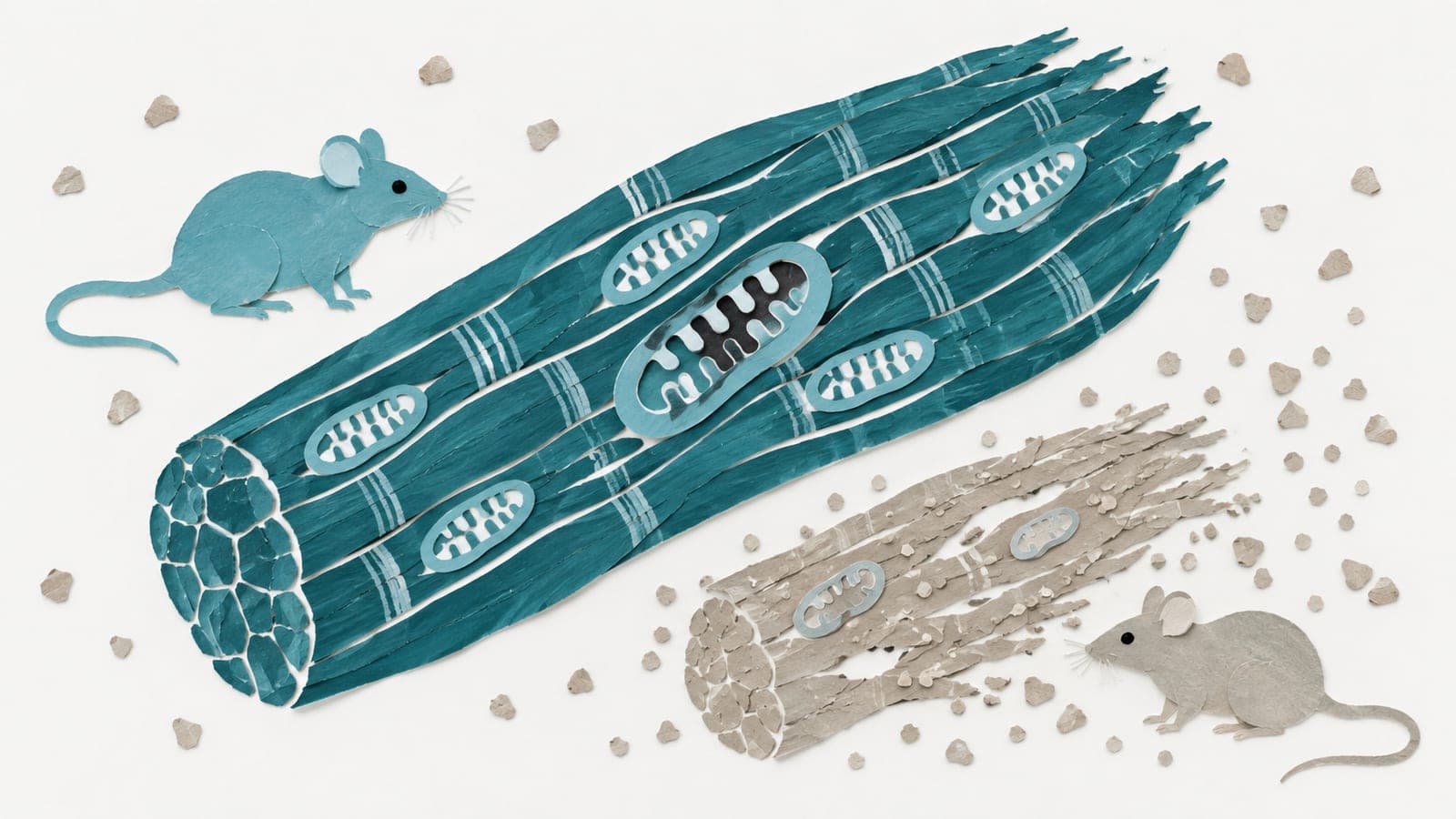
AIM: This study aimed to investigate the impact of endurance exercise training on kidney function in senescence-accelerated mouse prone 8 (SAMP8) mice. METHODS: Thirty-week-old male SAMP8 mice were divided into two groups: one group underwent treadmill exercise for 10 weeks (Old-Ex group, n = 12), while the other group remained sedentary (Old-Cont group, n = 12). Additionally, a group of 8- to 10-week-old SAMP8 mice served as a young control (Young-Cont group, n = 22). RESULTS: Although renal function was similar in the three groups, the renal mRNA expression of monocyte chemoattractant protein-1, macrophage infiltration, and collagen-type III-positive area in the interstitium was significantly higher in the Old-Cont group than in the Young-Cont group. However, these factors were significantly suppressed in the Old-Ex group. Renal protein expression of hypoxia-inducible factor-1α was significantly upregulated in the Old-Cont group compared to the Young-Cont group but was significantly suppressed in the Old-Ex group. In terms of proteins related to mitochondrial function, renal protein expressions of peroxisome proliferator-activated receptor gamma coactivator 1α and medium-chain acyl-CoA dehydrogenase were comparable between the Old-Cont and Young-Cont groups but were significantly upregulated in the Old-Ex group compared to the Old-Cont group. Renal protein expression of cytochrome c oxidase subunit 5B was significantly downregulated in the Old-Cont group compared to the Young-Cont group, and this downregulation was significantly restored by exercise. CONCLUSION: This study suggests that endurance exercise training may suppress renal interstitial inflammation and fibrosis in the kidneys of aged SAMP8 mice by preventing renal hypoxia and preserving mitochondrial function.
- Endurance exercise training
- Extracellular matrix remodelling
- Fatty acid β-oxidation
- Collagen type III
- Macrophage infiltration
- Mice
The paper
St. Marianna University School of Medicine
Geriatrics & Gerontology International, 6 Jan 2026