Senolytic elimination of therapy-induced senescent cells by ABT-263 improves chemotherapeutic efficacy in esophageal squamous cell carcinoma
Abstract
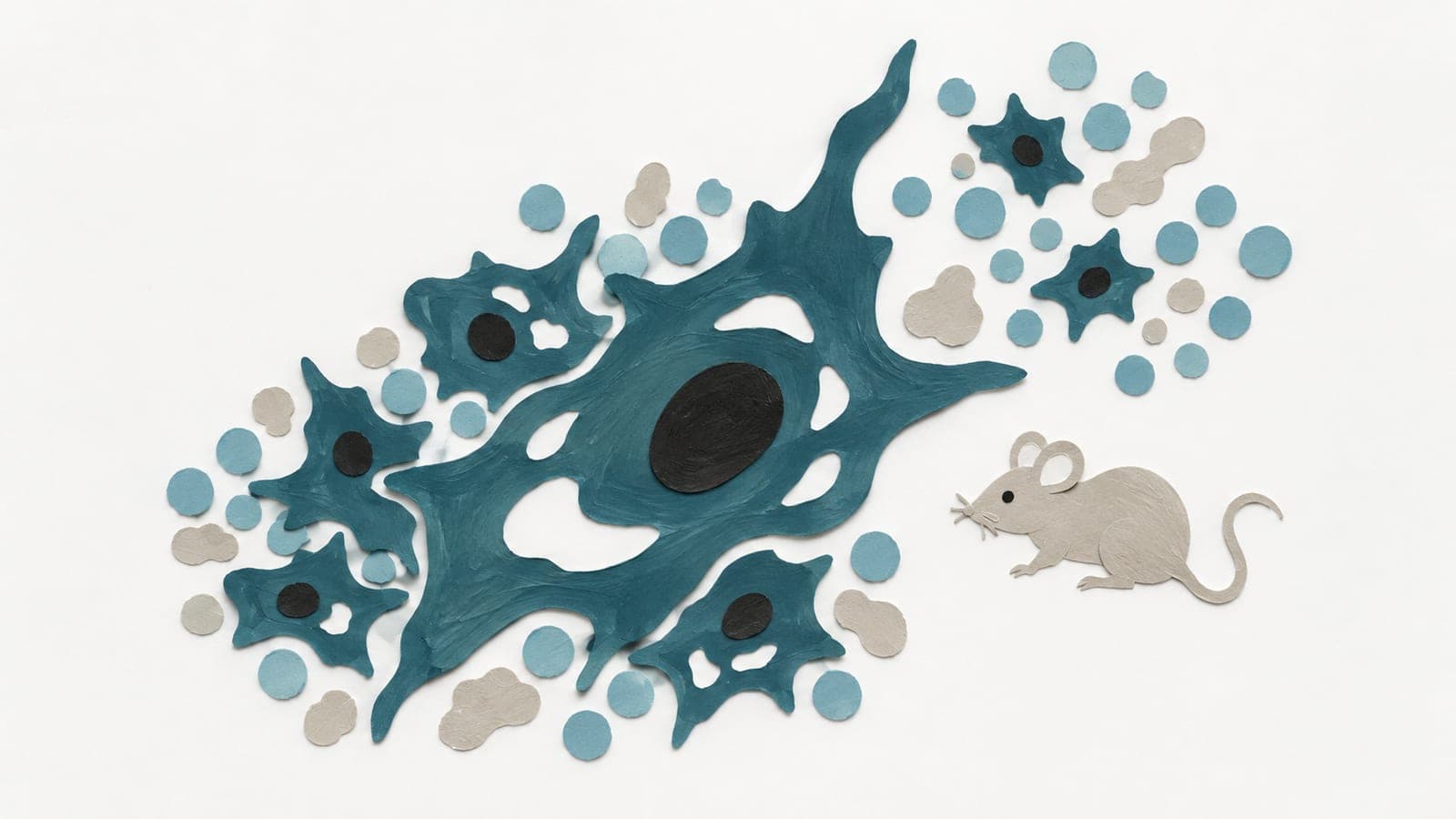
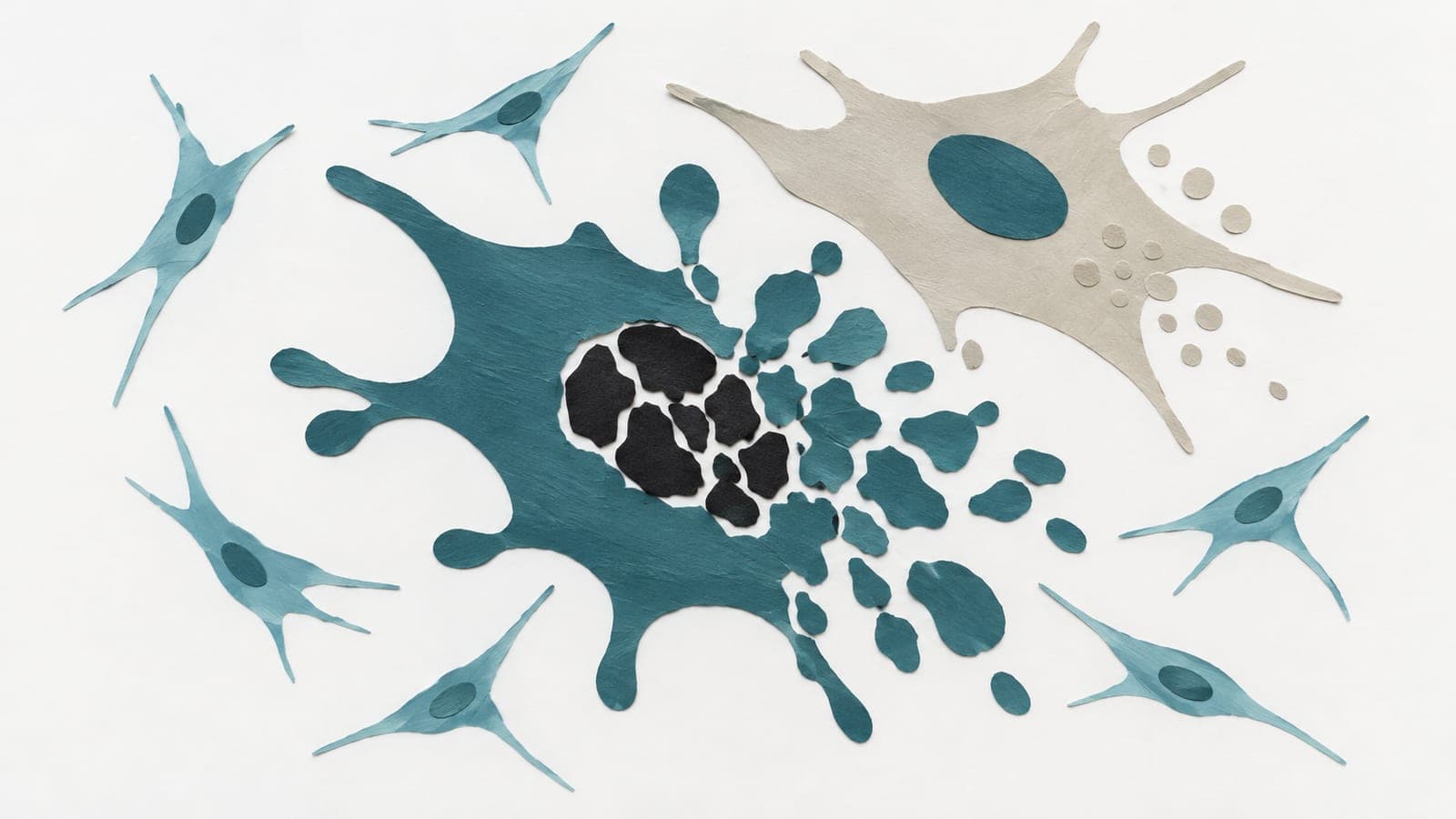
Esophageal squamous cell carcinoma (ESCC) is routinely treated with platinum-based chemotherapy but almost inevitably relapses. Our previous study demonstrated that cisplatin (CDDP) induced ESCC cell senescence, and senescent cells promoted the aggressive behaviors of neighboring cancer cells through the senescence-associated secretory phenotype (SASP). Notably, the use of 'senolytic' drugs that selectively remove senescent cells by inducing apoptosis has been proven to improve therapeutic efficacy, but their potential application in ESCC therapy has not yet been studied. In this study, we observed that therapy-induced ESCC cell senescence was associated with poor prognosis of ESCC patients. We found that anti-apoptotic BCL-2 family member BCL-XL mediated the survival of CDDP-induced senescent ESCC cells, and senolytic drug ABT-263 (navitoclax, an inhibitor of BCL-2 and BCL-XL) selectively eliminated senescent cells by triggering apoptosis, thereby attenuating SASP-driven ESCC cell proliferation and migration in vitro and improving CDDP efficacy in a mouse model of ESCC. Mechanistically, the enhanced interaction between BCL-XL and pro-apoptotic effector protein BAX conferred apoptosis resistance in senescent ESCC cells, and ABT-263 treatment disrupted this interaction to activate apoptosis. Overall, our data indicate that CDDP-induced senescent ESCC cells could be eliminated using senolytic drugs that target BCL-XL, and thus senolytic therapy could be a potential effective strategy for improving chemotherapeutic efficacy in ESCC.
The paper
Chongqing Medical University; Renmin Hospital of Wuhan University
Biochemical Pharmacology, 19 Dec 2025