Two compounds improved health-related measures in aging mice
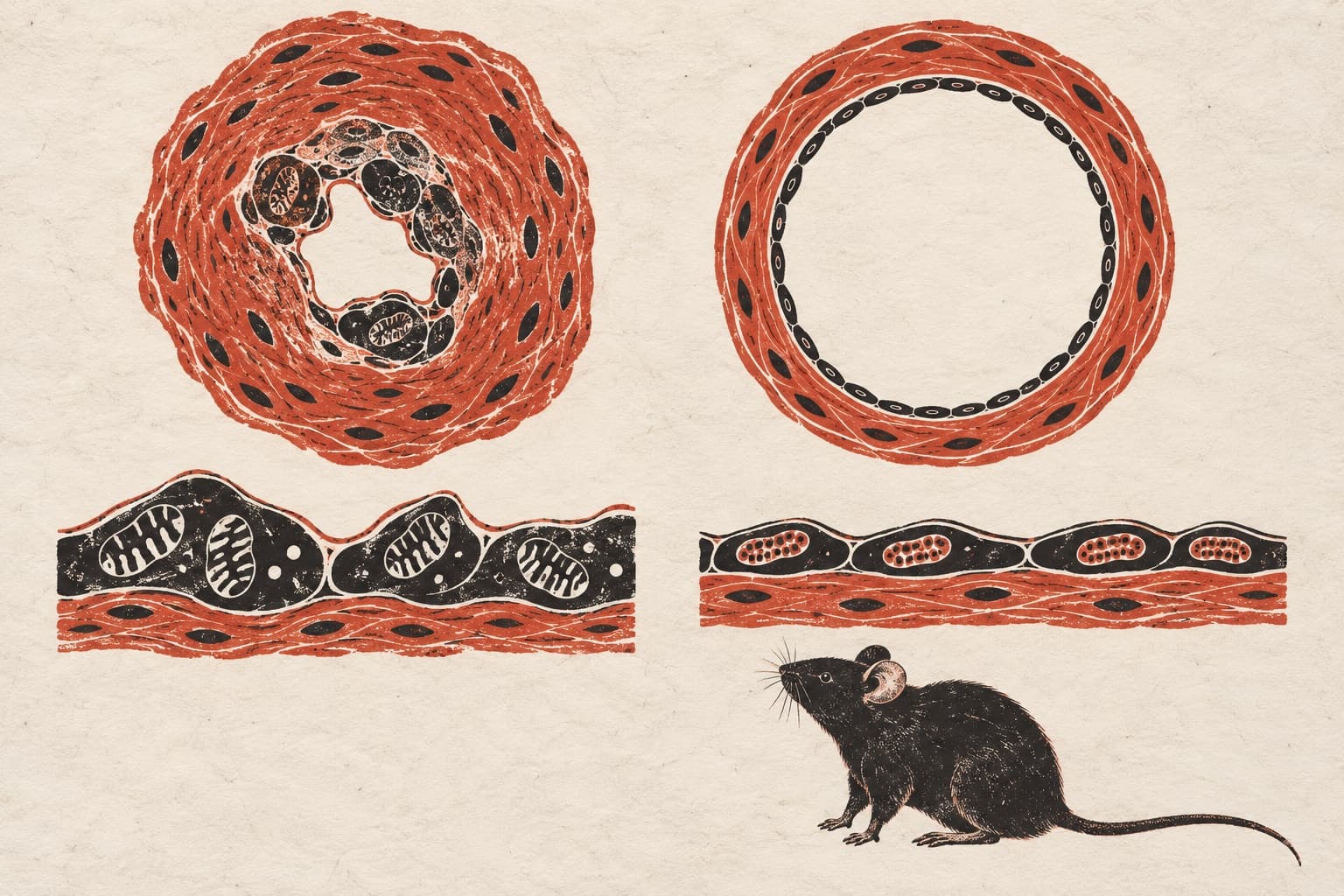
Experiments in mouse models of aging found reduced tissue senescence, in which cells stop dividing, alongside improvements in measures linked to healthy lifespan.
Aging Cell
In mouse models of aging, researchers tested two experimental compounds derived from fisetin in animal experiments. Fisetin is a natural compound that has entered clinical trials but has limited effectiveness and poor availability in the body. The researchers developed the new compounds to address those limitations.
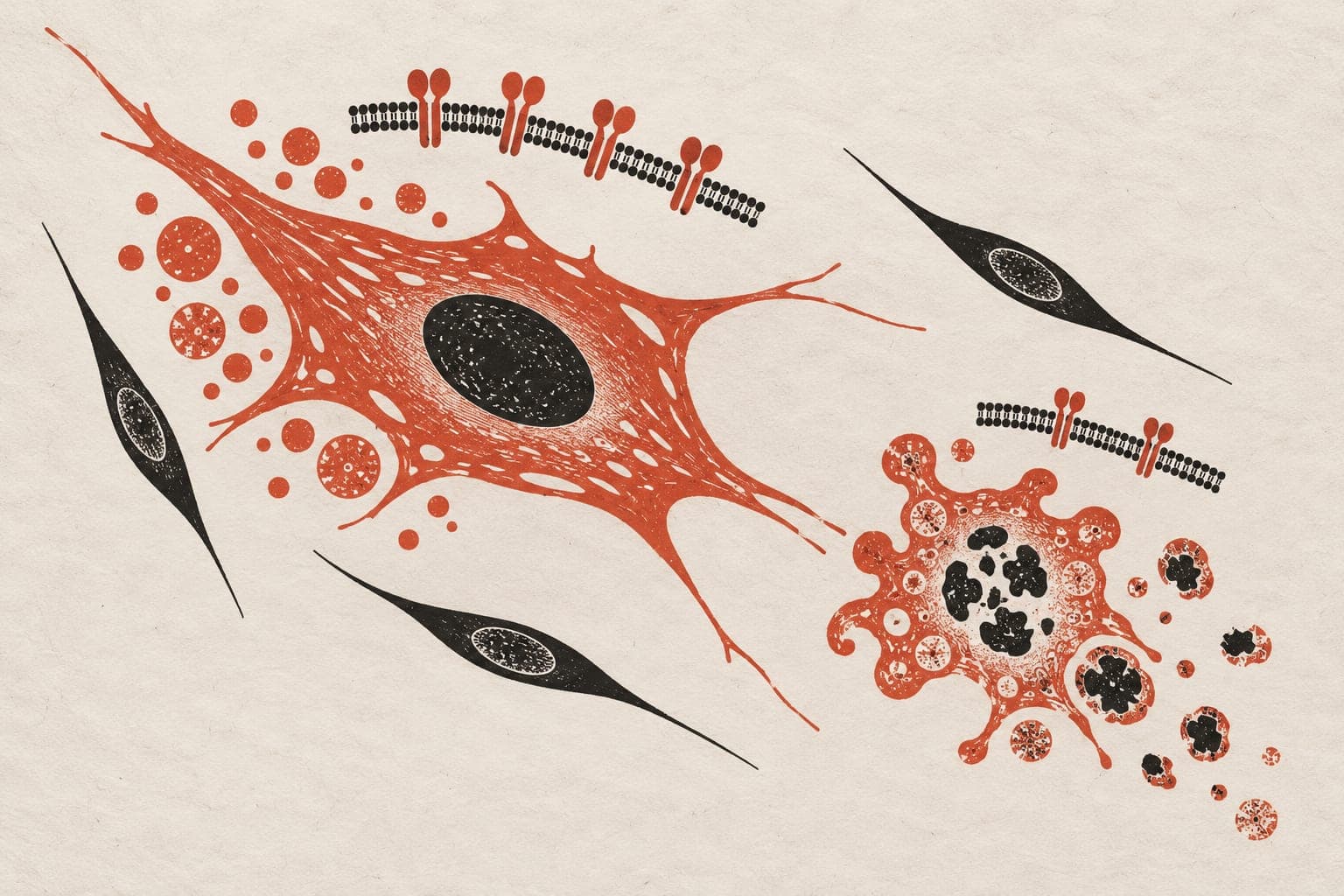
The compounds, SR29384 and SR31133, reduced tissue senescence, a state in which cells stop dividing. They also improved measures associated with healthspan, the period of life spent in good health. The researchers designed them as senolytics, agents that selectively eliminate senescent cells.
Why it matters
Senescent cells contribute to aging and age-related diseases. The compounds offer candidates for further research on drugs aimed at promoting healthy aging.
Caveats
These were animal experiments, not tests of benefits in people. The abstract does not give sample sizes, doses, treatment durations or details of the healthspan measures.
The paper
Show 14 more authors
Qiuming Wu, Yuanjun He, Osama Elsallabi, Bilel Bdiri, Brian Hughes, Allancer Nunes, Wandi Xu, Borui Zhang, Abdalla Mohamed, Sara J McGowan, Luise Angelini, Ryan O'Kelly, Theodore M Kamenecka, Laura J Niedernhofer,University of Minnesota
Aging Cell · 1 Oct 2026