Islet Inflammation and Endocrine Function in Aging - Evaluating the Role of Toll-like receptor 4
Abstract
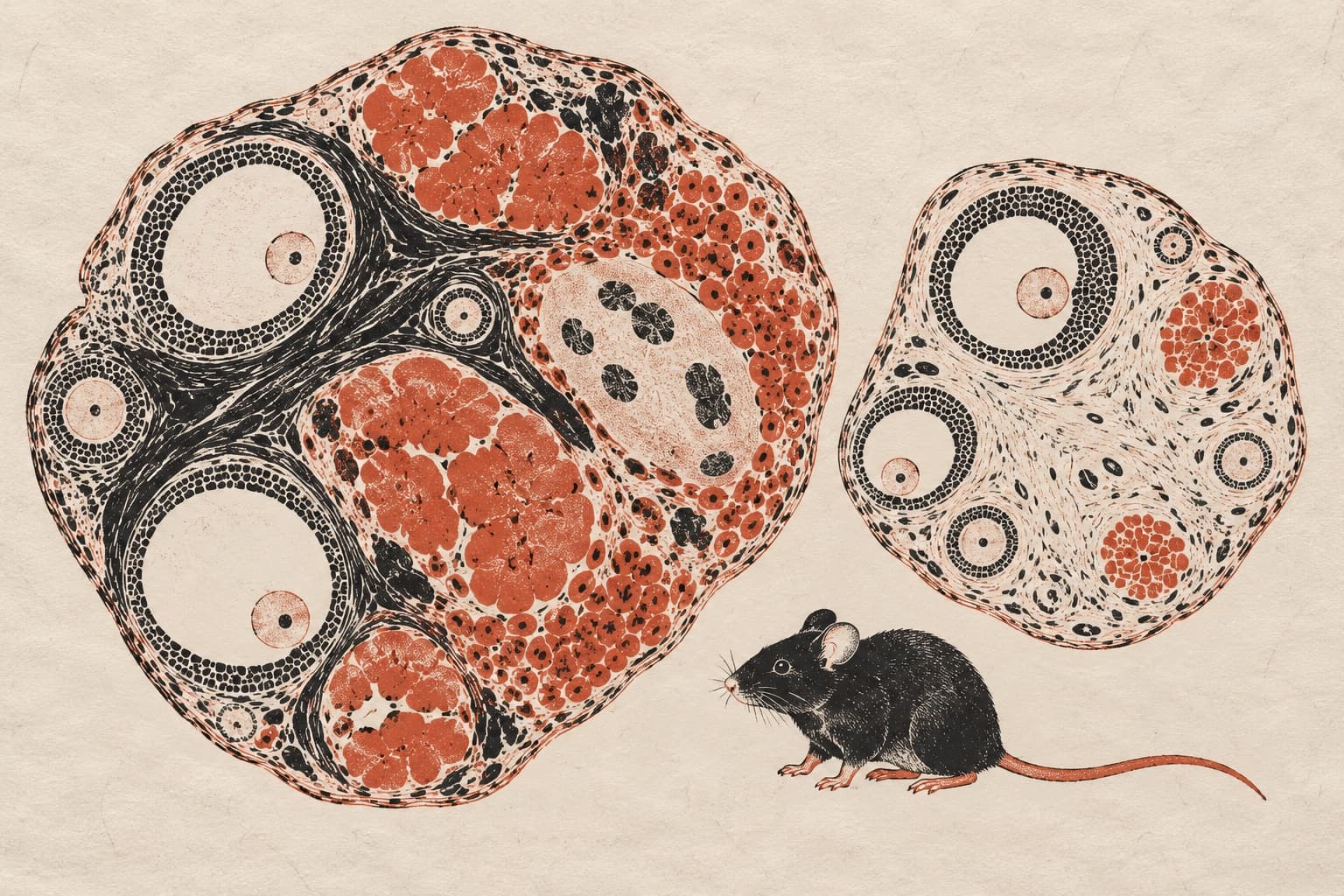
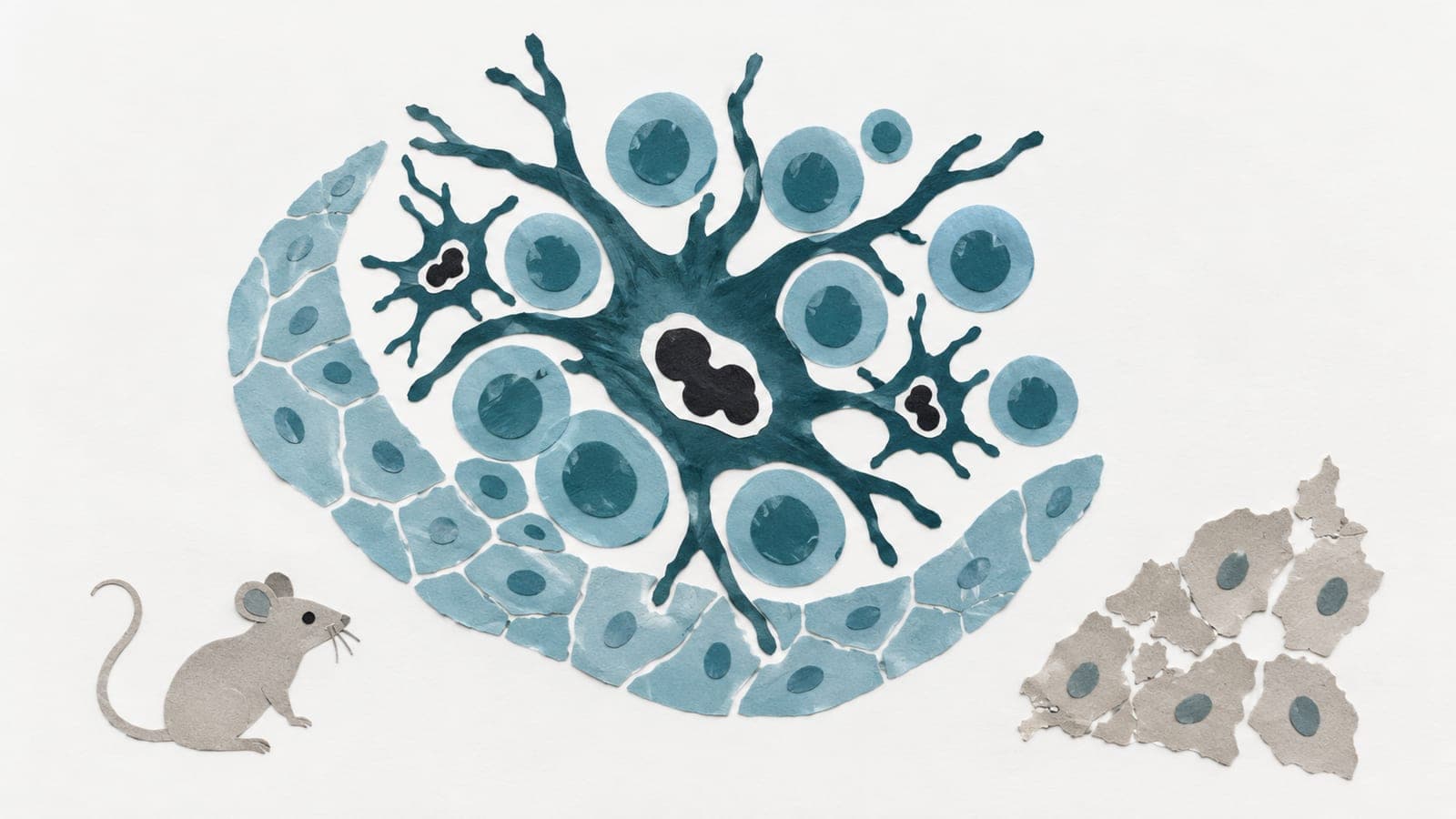
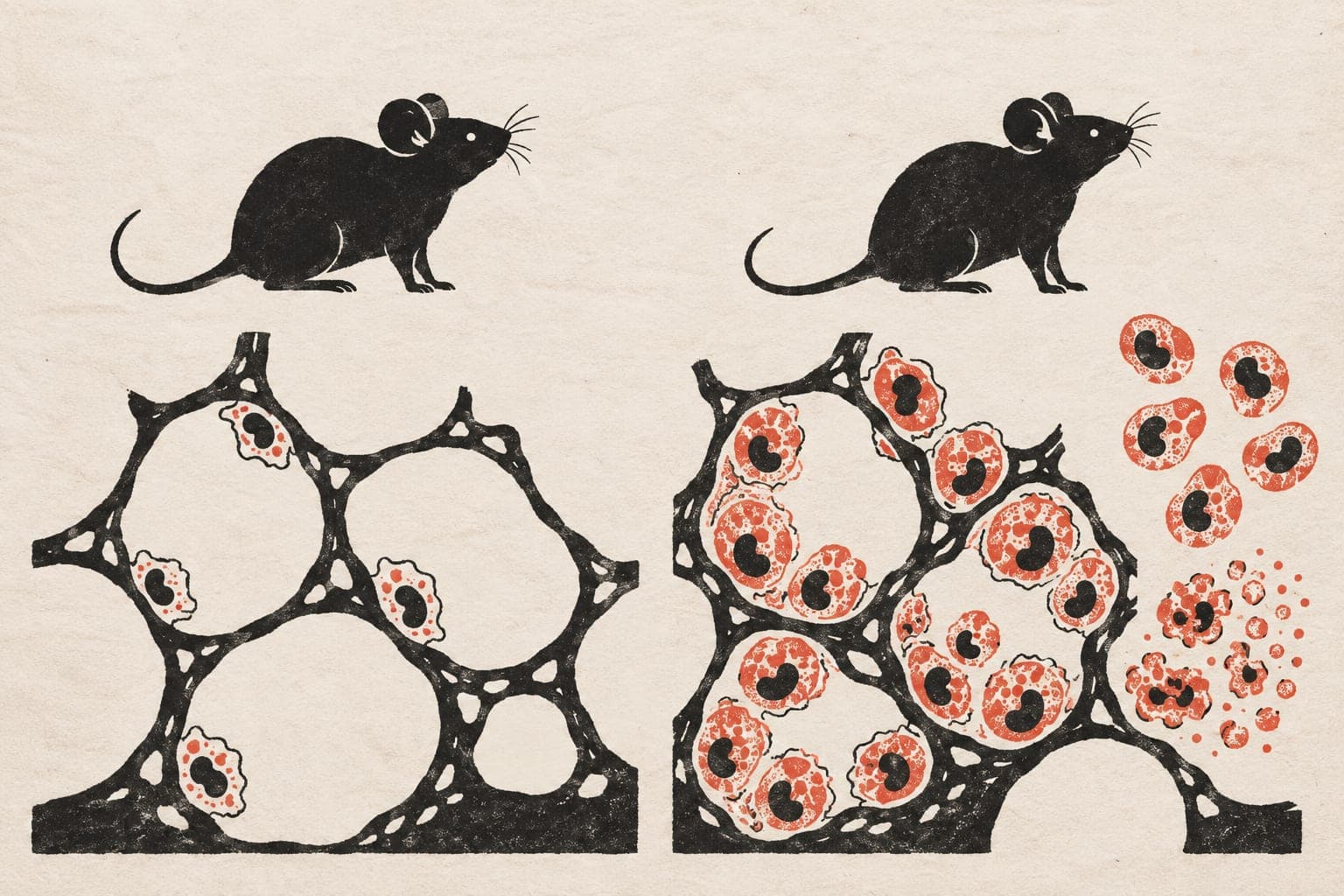
The aging process is accompanied by a gradual decline in tissue function, in part due to chronic low-grade inflammation that contributes to cardiovascular, neurodegenerative, and metabolic disease development. In the endocrine pancreas, Langerhans islets exhibit age-related structural and functional changes, including immune cell infiltration and fibrotic remodeling, as we recently demonstrated. Macrophages, as key immune mediators in both diabetic and aged islets, play a central role in Toll-like receptor 4 (TLR4) signaling, a pathway activated by bacterial lipopolysaccharides and known to exacerbate inflammation and tissue damage in multiple organs. We therefore hypothesize that TLR4 signaling contributes to the inflammatory changes during islet aging. To investigate this, two complementary mouse studies were performed. Aged C57BL/6J mice were treated with the TLR4 inhibitor TAK-242 for four months, which reduced insulitis, macrophage infiltration, and fibrosis, while preserving insulin secretion. In contrast, mice with a lifelong myeloid-specific deletion of TLR4 showed altered islet cell composition in young age, potentially leading to dysregulated insulin secretion, and signs of insulin resistance in aging, despite unchanged islet inflammation. These results indicate that TLR4 inhibition attenuates inflammatory islet remodeling in aging, whereas lifelong loss of myeloid TLR4 signaling seems to disrupt immune-endocrine interactions and impairs insulin secretion. Thus, TLR4-driven immune activation emerges as a mechanism linking inflammation to pancreatic islet aging.
The paper
German Institute of Human Nutrition; German Center for Diabetes Research
Aging and Disease, 5 Dec 2025