α7 Nicotinic acetylcholine receptor activation rescues mitochondrial dysfunction in gestational diabetes mellitus by competing with p66Shc for VDAC1 binding
Abstract
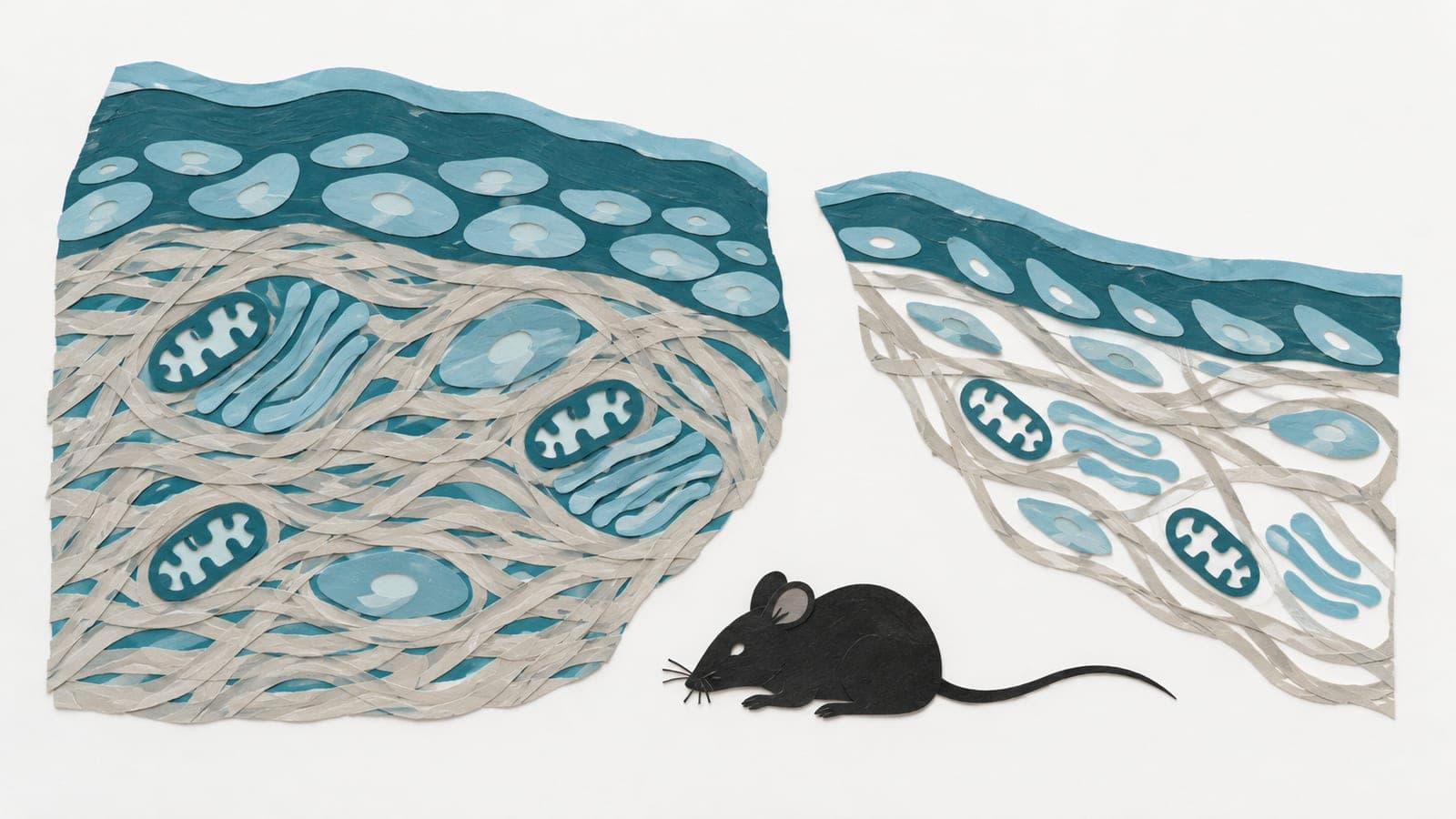
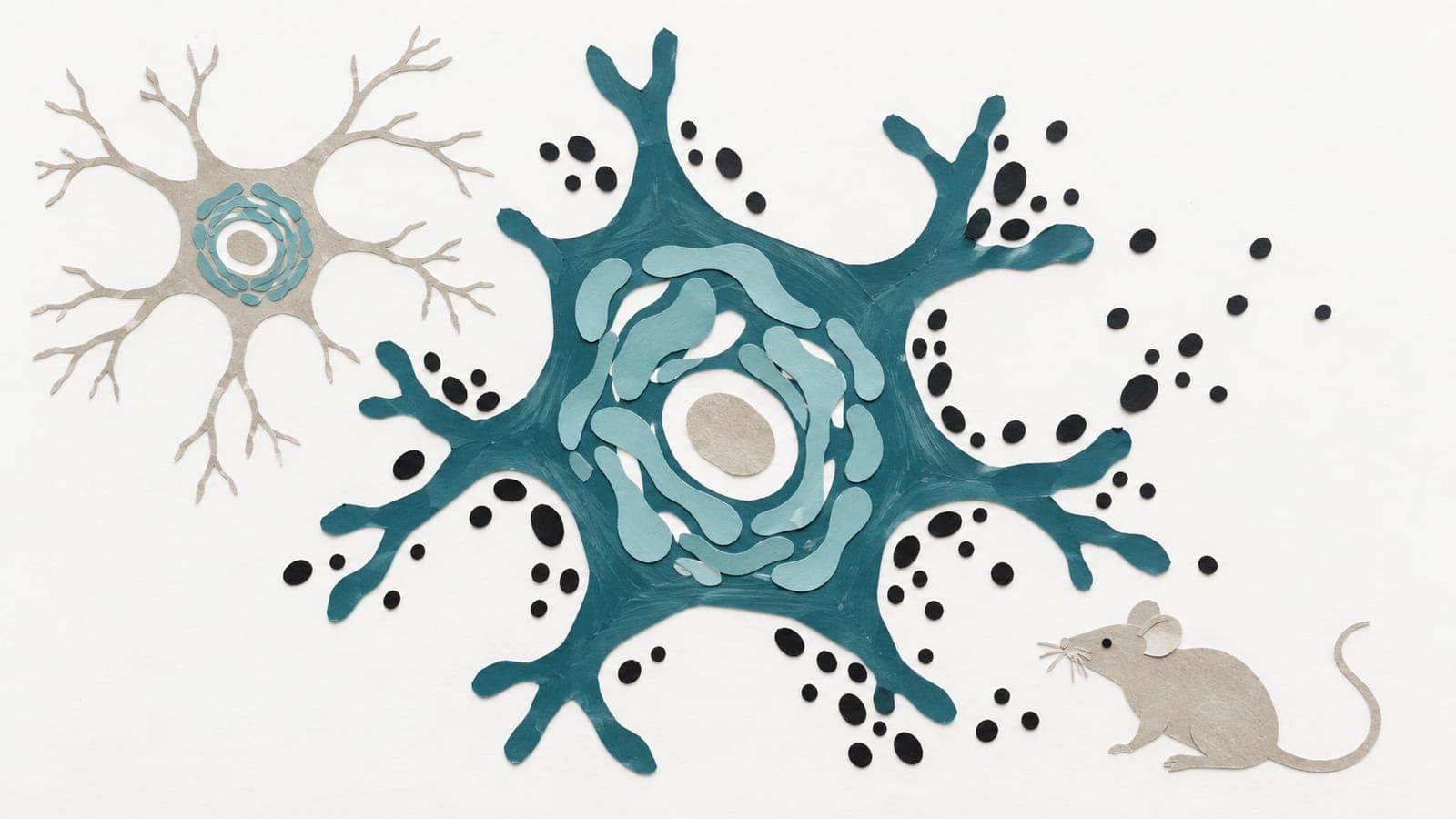
AIMS/HYPOTHESIS: Gestational diabetes mellitus (GDM) is associated with placental hormone-induced insulin resistance; however, the mechanisms connecting hyperglycaemia to mitochondrial dysfunction remain incompletely understood. This study aimed to investigate the role of the α7 nicotinic acetylcholine receptor (α7nAChR) in regulating mitochondrial Ca²⁺ homeostasis in trophoblasts under hyperglycaemic stress, and to explore whether its dysregulation contributes to placental mitochondrial pathology in GDM. METHODS: Clinical placental samples from GDM pregnancies were analysed to assess α7nAChR expression, mitochondrial morphology and Ca²⁺ signalling pathways. Complementary in vitro and murine models of hyperglycaemia were employed to examine molecular interactions involving α7nAChR, voltage-dependent anion channel 1 (VDAC1) and p66Shc. Mitochondrial-associated endoplasmic reticulum membranes were studied to evaluate pathological Ca²⁺ transfer mechanisms. Pharmacological activation of α7nAChR was performed using PNU-282987 (PNU) or GTS-21, and RNA-seq was conducted to analyse downstream transcriptional changes related to mitochondrial dysfunction and cellular senescence. RESULTS: Clinical analysis revealed reduced α7nAChR expression, mitochondrial vacuolisation and dysregulated Ca²⁺ signalling pathways in GDM placentas. Under hyperglycaemic conditions, disrupted α7nAChR-VDAC1 interactions facilitated competitive binding of the pro-oxidant p66Shc to VDAC1, promoting pathological Ca²⁺ transfer from the endoplasmic reticulum to mitochondria via mitochondrial-associated endoplasmic reticulum membranes. This led to mitochondrial permeability transition pore overactivation, loss of mitochondrial membrane potential and induction of cellular senescence. Pharmacological activation of α7nAChR with PNU or GTS-21 restored α7nAChR-VDAC1 coupling, attenuated p66Shc-mediated oxidative stress and reversed mitochondrial Ca²⁺ overload. RNA-seq confirmed that PNU treatment normalised gene expression profiles associated with endoplasmic reticulum stress and cellular senescence. CONCLUSIONS/INTERPRETATION: This study identifies a non-canonical role for α7nAChR in maintaining mitochondrial Ca²⁺ homeostasis by competitively regulating VDAC1-p66Shc interactions under hyperglycaemic conditions. The findings reveal a mechanistic link between α7nAChR dysfunction, mitochondrial Ca²⁺ overload and cellular senescence in GDM placentas. Targeting α7nAChR with pharmacological agents such as GTS-21 may offer a novel therapeutic approach to ameliorate mitochondrial dysfunction and placental pathology in GDM by restoring Ca²⁺ dynamics.