Eliminating Sex Disparities in Dyslipidaemia Screening, Diagnosis and Treatment
Abstract
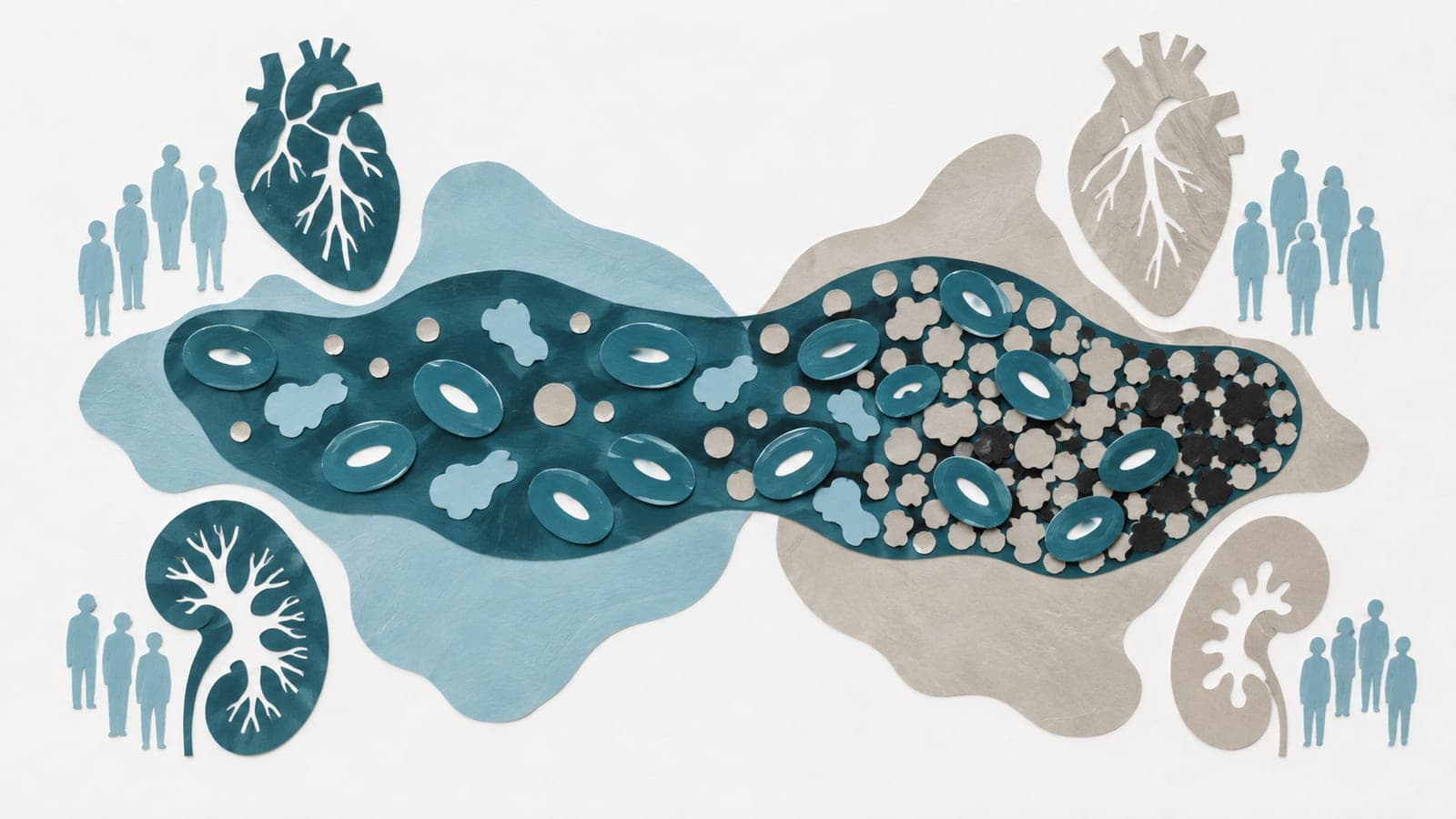
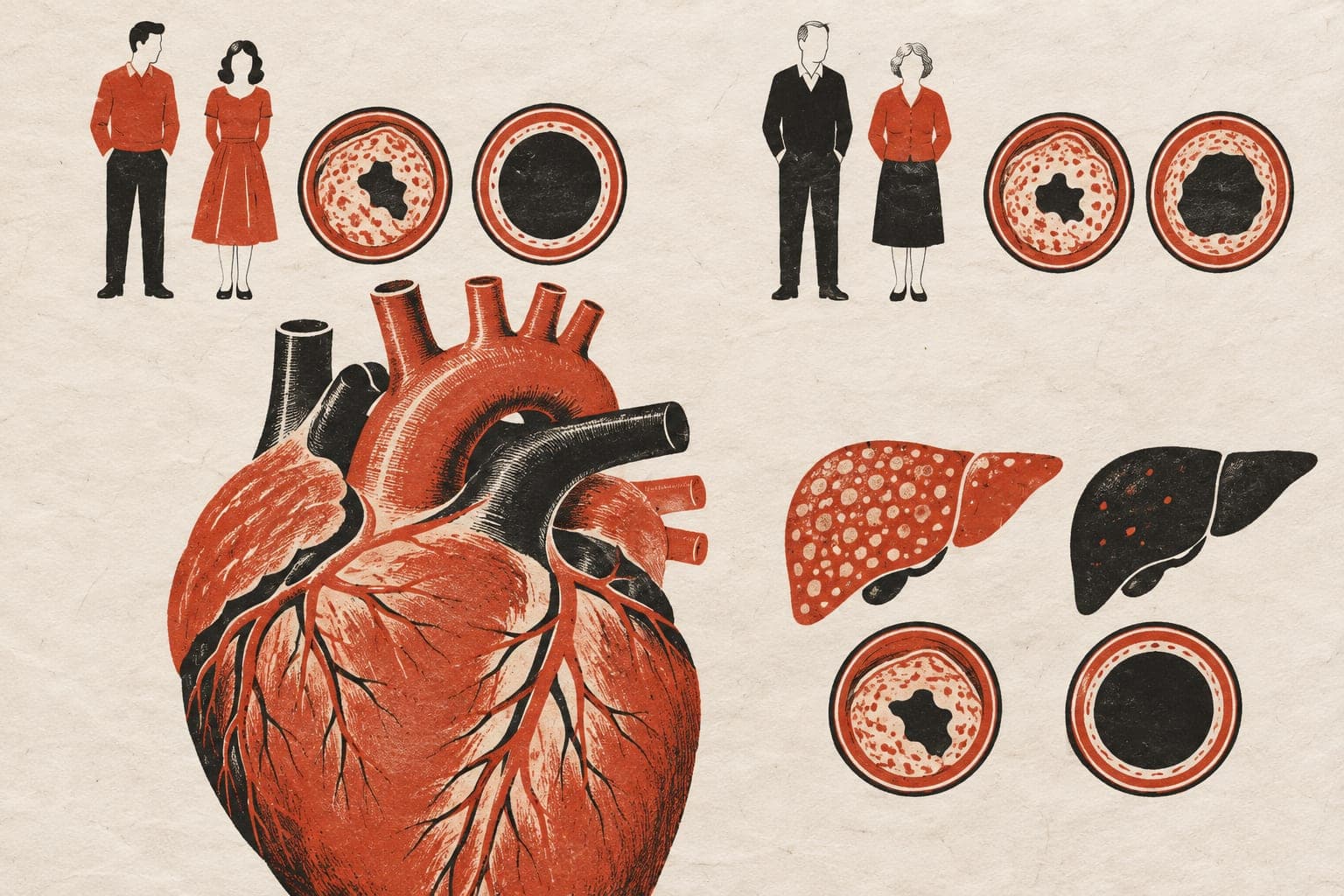
Despite strides in cardiovascular disease (CVD) management, dyslipidaemia remains a significant yet underdiagnosed and undertreated risk factor, particularly among women. Sex-based disparities persist in screening, diagnosis and treatment, leading to suboptimal management and increased CVD risk in female populations. This article explores the current literature on sex disparities in dyslipidaemia, analysing screening guidelines, diagnosis trends and treatment gaps. It examines factors influencing lipid metabolism across a woman's lifespan, including hormonal fluctuations, pregnancy, menopause and their impact on CVD risk. The article also highlights barriers to effective lipid management in women, including clinician biases, inadequate screening and lower prescription rates of statin and non-statin therapies. Women are less likely to undergo lipid screening despite having significant CVD risk factors. Even when diagnosed, they receive statin therapy at lower rates than men, and treatment intensification is less frequent. Additionally, clinical trials assessing lipid-lowering therapies often underrepresent women, limiting the applicability of evidence-based recommendations. The lack of sex-specific risk assessment tools further contributes to missed opportunities for prevention and treatment. Addressing disparities in dyslipidaemia management is crucial to reducing the burden of CVD in women. Enhancing awareness among clinicians, improving screening strategies, incorporating sex-specific risk factors into predictive models and increasing female representation in clinical trials are essential steps towards equitable cardiovascular care.
The paper
University of Louisville
Heart International, 6 Oct 2025