Transcriptomic Changes Underlying the Anti-Steatotic Effects of DHA Supplementation in Aged Obese Female Mice
Abstract
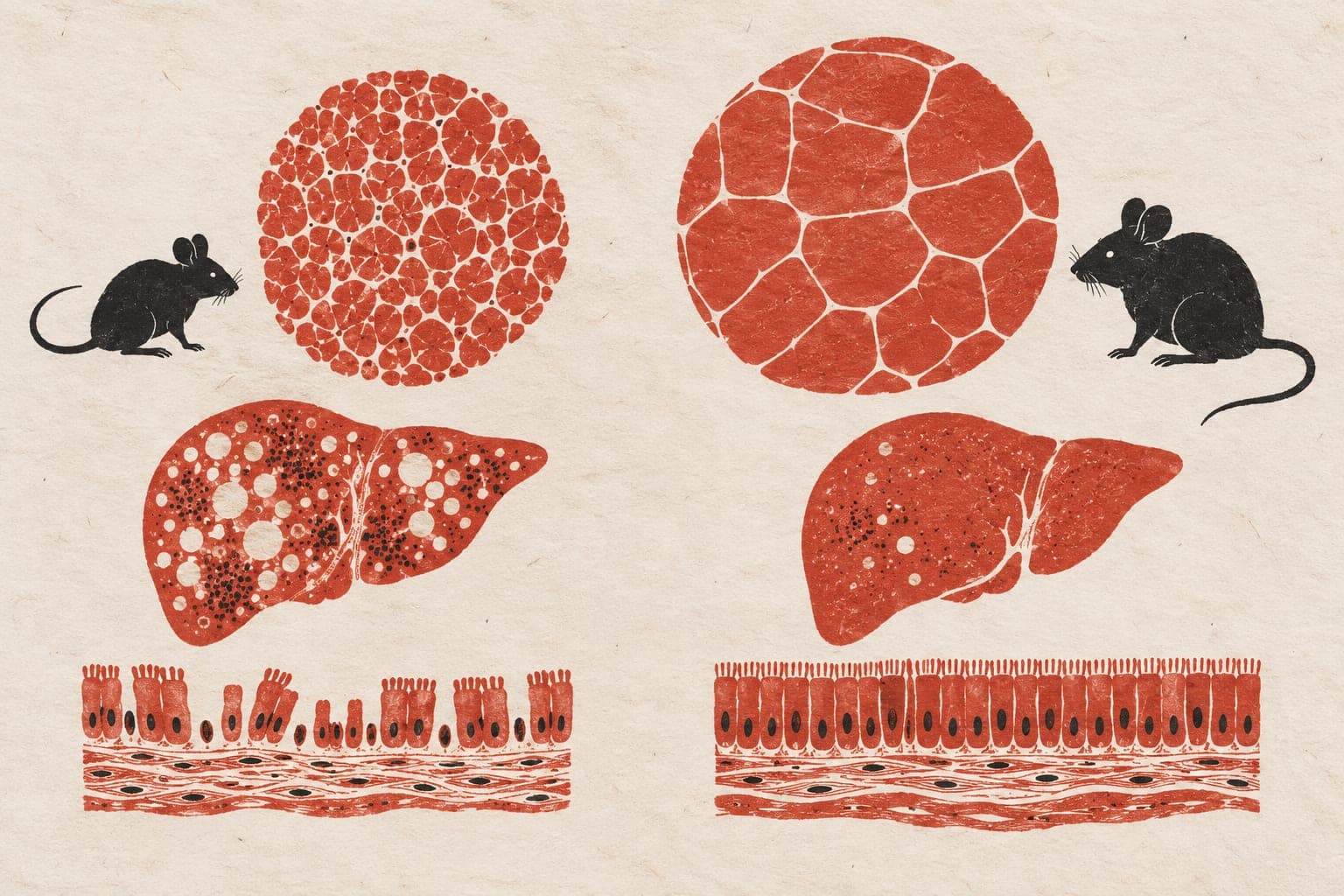
The prevalence of metabolic dysfunction-associated steatotic liver disease (MASLD) increases with age and obesity. The aim of this study was to characterize the transcriptomic changes in liver underlying the beneficial effects of docosahexaenoic acid (DHA) supplementation on MASLD progression in aged obese female mice. Two-month-old C57BL/6J female mice were fed ad libitum with high fat saturated diet (HFD, 45%) for 4 months. These diet-induced obese (DIO) mice were divided into two groups: the DIO group that continued with HFD and the DIO + DHA mice fed up to 18 months with the HFD containing a DHA-rich concentrate. High quality RNA from liver was used to perform RNA sequencing analysis. Further functional and clustering analyses of differentially expressed genes (DEGs) in liver between treatments revealed that DHA regulated processes related to lipid metabolic processes. DHA treatment also affects the PPAR signaling pathway and the regulation of inflammatory response. These data suggest that long-term DHA supplementation ameliorates MASLD progression in aged obese female mice by promoting transcriptomic changes in genes related to lipid metabolism and inflammatory response.
- Docosahexaenoic acid
- Inflammation
- Lipid and ceramide metabolism
- Metabolic dysfunction-associated steatotic liver disease
- Obesity
- Mice
The paper
Instituto de Salud Carlos III
International Journal of Molecular Sciences, 2 Dec 2025