Red light (630 nm) combined with low-dose ALA-PDT: a novel strategy for collagen remodeling and anti-aging efficacy
Randomised
Abstract
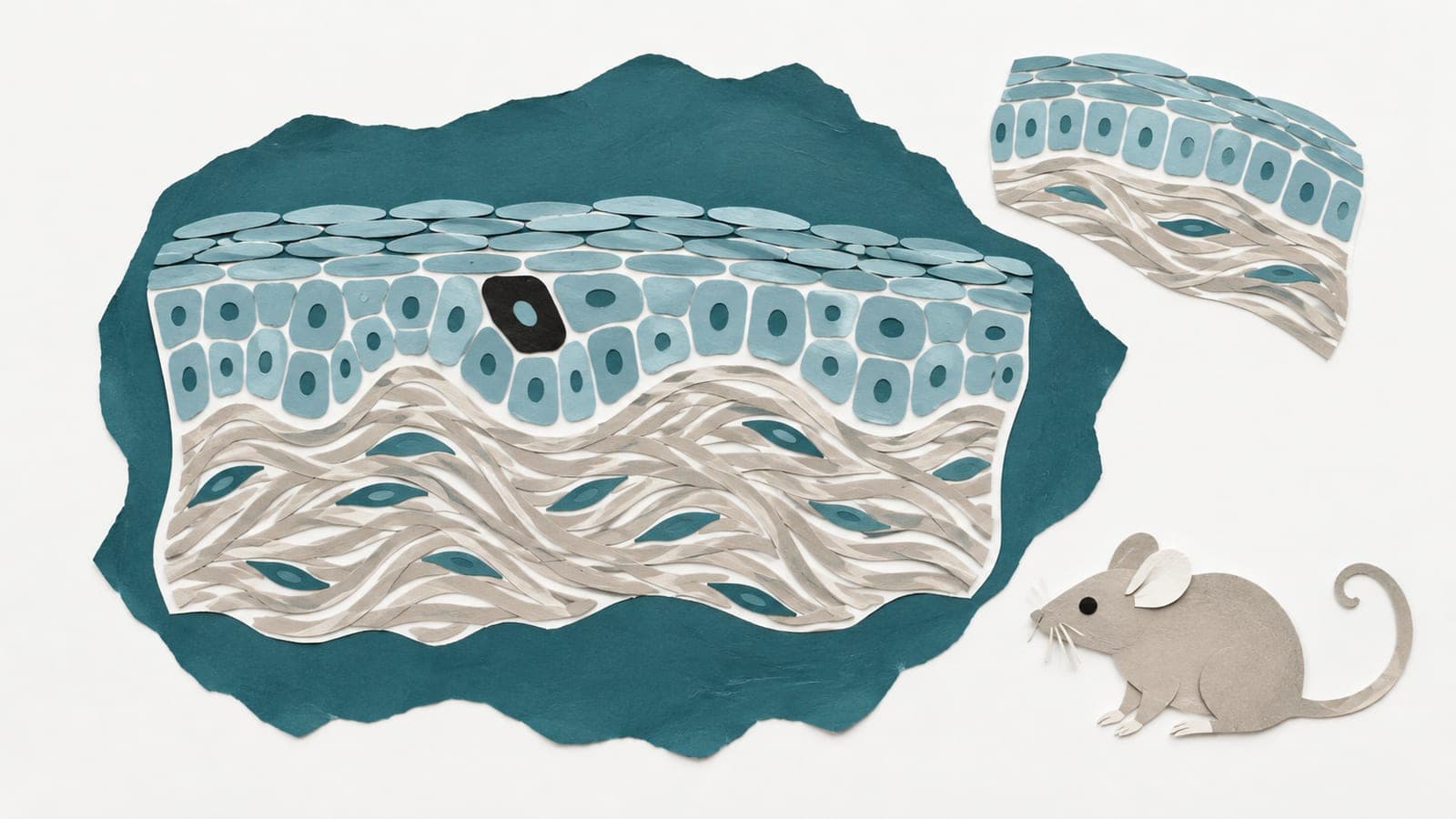
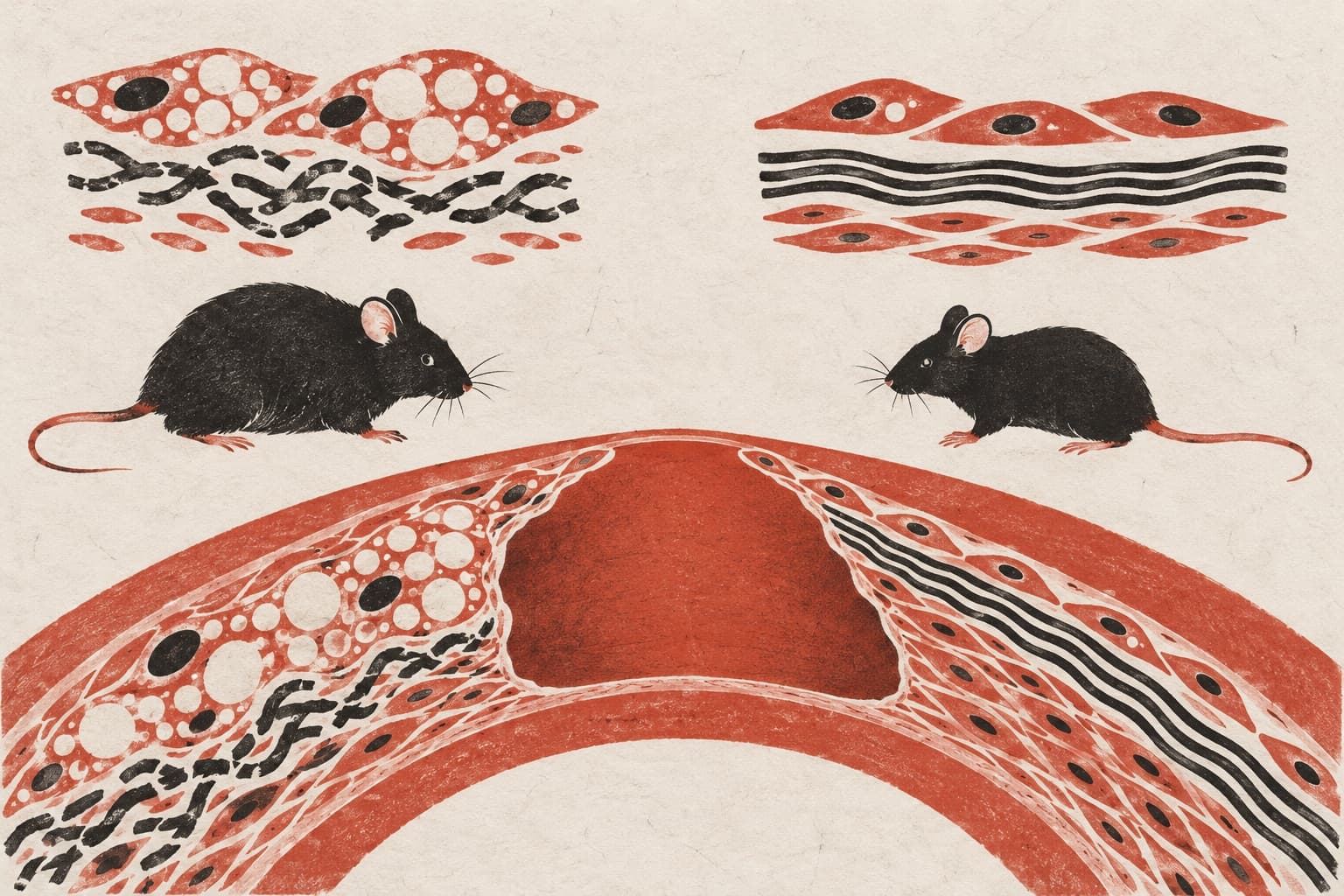
As an effective minimally invasive therapy for skin aging, 5-aminolevulinic acid photodynamic therapy (ALA-PDT) demonstrates superior efficacy. While Light-emitting diode (LED)-PDT offers advantages of broad-spectrum capabilities and low-cost over conventional laser-PDT, the absence of standardized parameter optimization impedes its clinical application. This study systematically investigated the combined effects of varying ALA concentrations and LED wavelengths to establish an optimized anti-aging protocol. Sixty mice (40 UVB-induced photoaging, 20 natural aging) were randomized into 12 groups receiving PDT with different ALA concentrations (2%/5%/10%), LED wavelengths (405/532/630 nm), and light dose (4.5/18 J/cm²). The cosmetic efficacy was evaluated through skin aging scores, skin laxity, skin elasticity testing and histopathology analysis. Compared to 532 nm, PDT-630 nm significantly ameliorated UVB-induced skin roughness and epidermal thickness while enhanced collagen fiber content and improved fiber arrangement, without causing 405 nm-associated scarring. Optimal results were achieved with 2% ALA at 630 nm, whereas 10% ALA induced collagen degradation. PDT using 630 nm LED light combined with 2%ALA at an energy density of 4.5 J/cm² provided an innovative and effective approach for skin anti-aging. This protocol promoted collagen remodeling to restore youthful skin structure while minimizing epidermal damage, suggesting its potential as an optimal intervention for photoaging.
- Aminolevulinic acid
- Photobiomodulation
- Extracellular matrix remodelling
- Extracellular matrix
- Skin aging
- Mice
The paper
Tiangong University; Chinese Academy of Medical Sciences & Peking Union Medical College
Photochemical & Photobiological Sciences, 8 Dec 2025