High-fat diet induces senescence in ADSCs via CDK4 ubiquitination-mediated cell cycle disruption, contributing to impaired glucose tolerance
Abstract
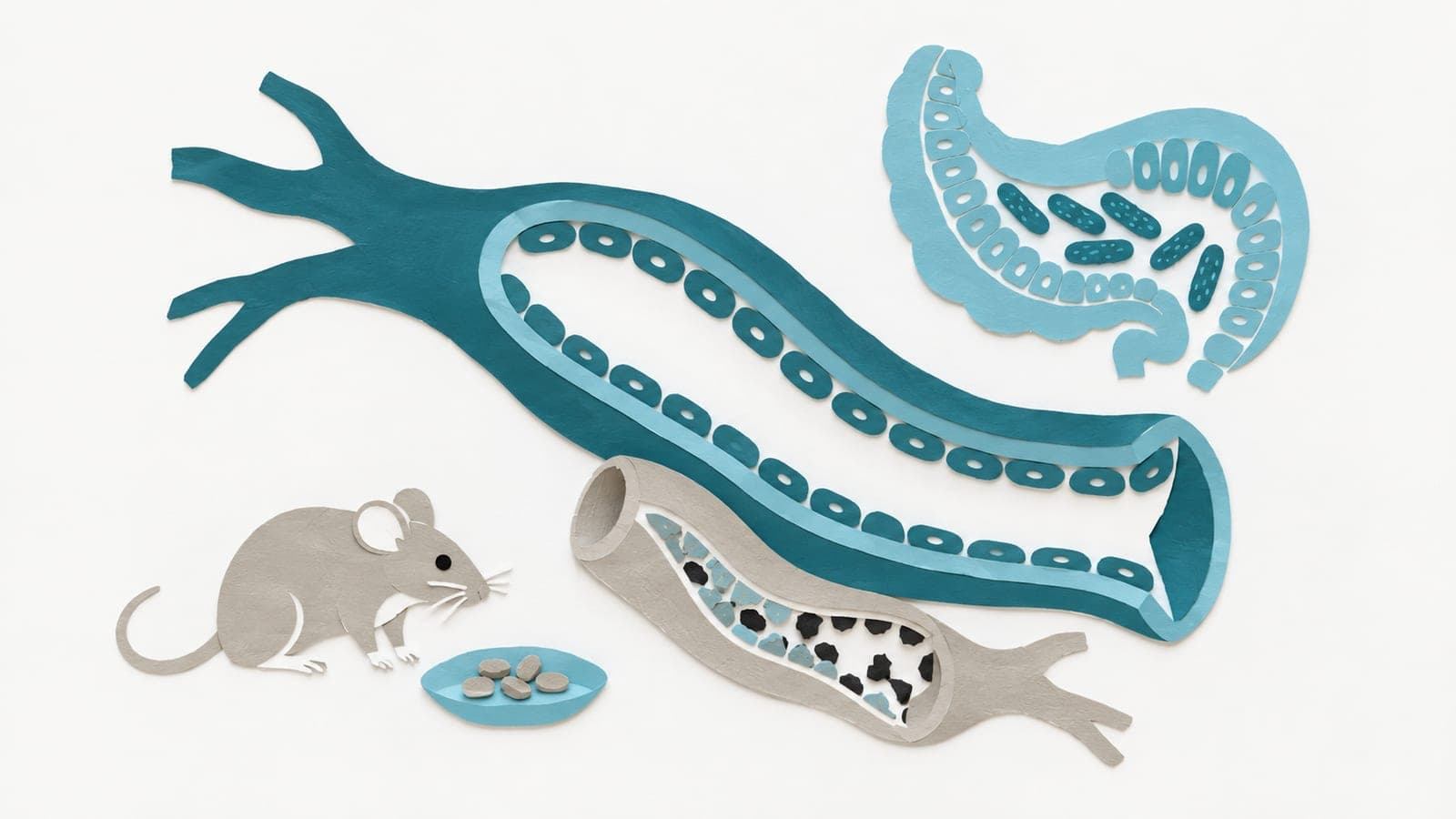
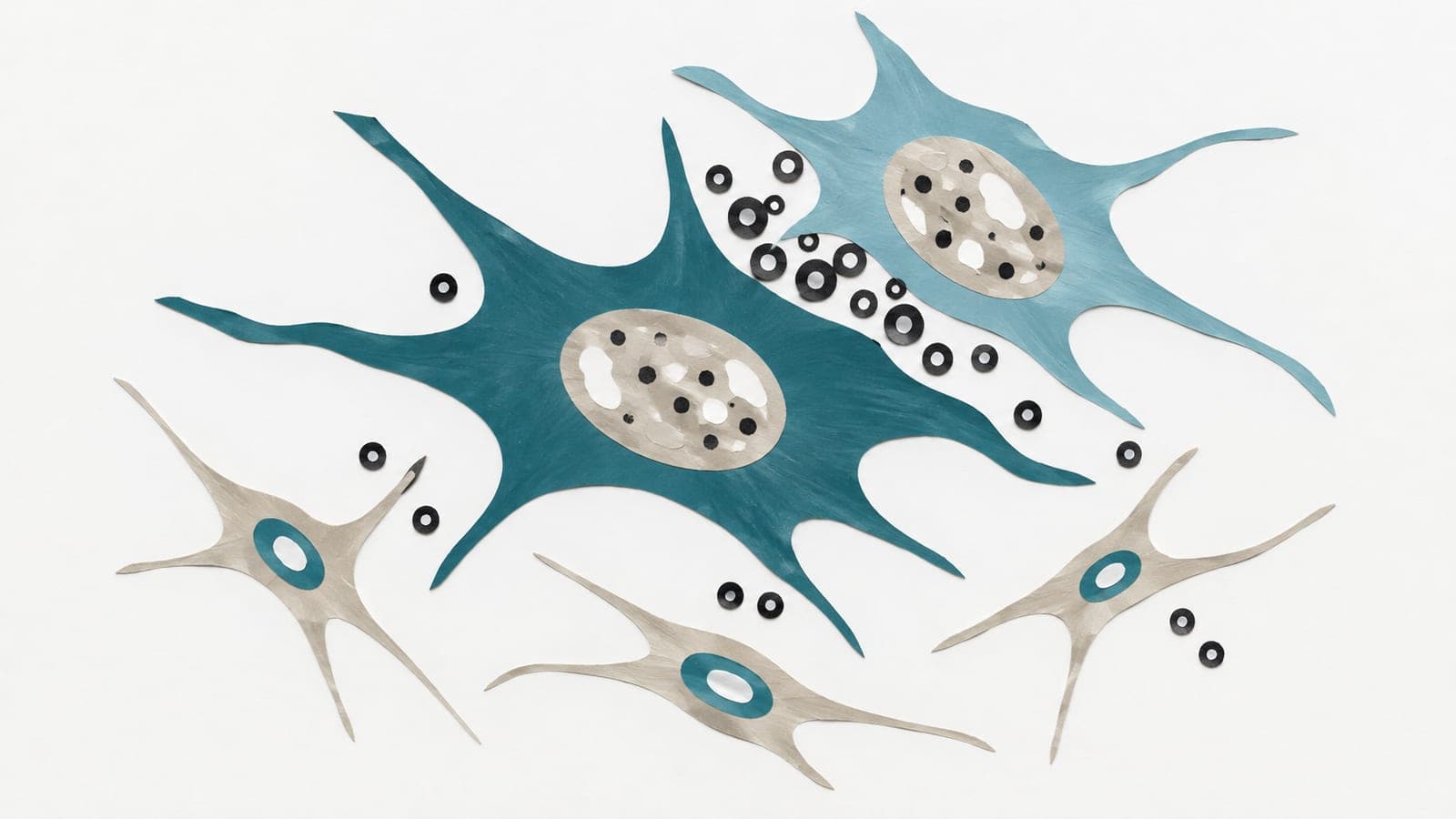
High-fat diet (HFD) promotes adipose tissue senescence, which in turn disrupts insulin-mediated glycemic homeostasis. The underlying mechanisms remain unclear. Through clinical survey data, animal models, and primary adipose-derived mesenchymal stem cells (ADSC), we investigated how dietary patterns influence adipocyte senescence. We found that elevated fatty acid levels enhance the interaction between the E3 ubiquitin ligase TRIP12 and Cyclin-dependent kinase 4 (CDK4) in ADSCs, triggering CDK4 ubiquitination and degradation. As a process associated with this disruption in cell cycle progression, cellular senescence may represent a key outcome. Consequently, senescent ADSC-derived mature adipocytes (ADSC-MA) exhibit impaired insulin-stimulated GLUT4 membrane translocation and reduced glucose uptake. In contrast, within an HFD setting, dietary fiber supplementation is associated with the reversal of cellular senescence. The gut microbiota-short-chain fatty acids (SCFAs) axis may be involved in the restoration of cell cycle progression and the amelioration of ADSC senescence, correlating with a partial recovery of glucose uptake capacity in ADSC-MAs. Our study highlights potential strategies to reverse cellular senescence and identifies promising therapeutic targets for impaired glucose tolerance.
The paper
Shandong University
Molecular Metabolism, 29 Nov 2025