Caloric restriction enhances inheritance of wild-type mitochondrial DNA in Saccharomyces cerevisiae
Abstract
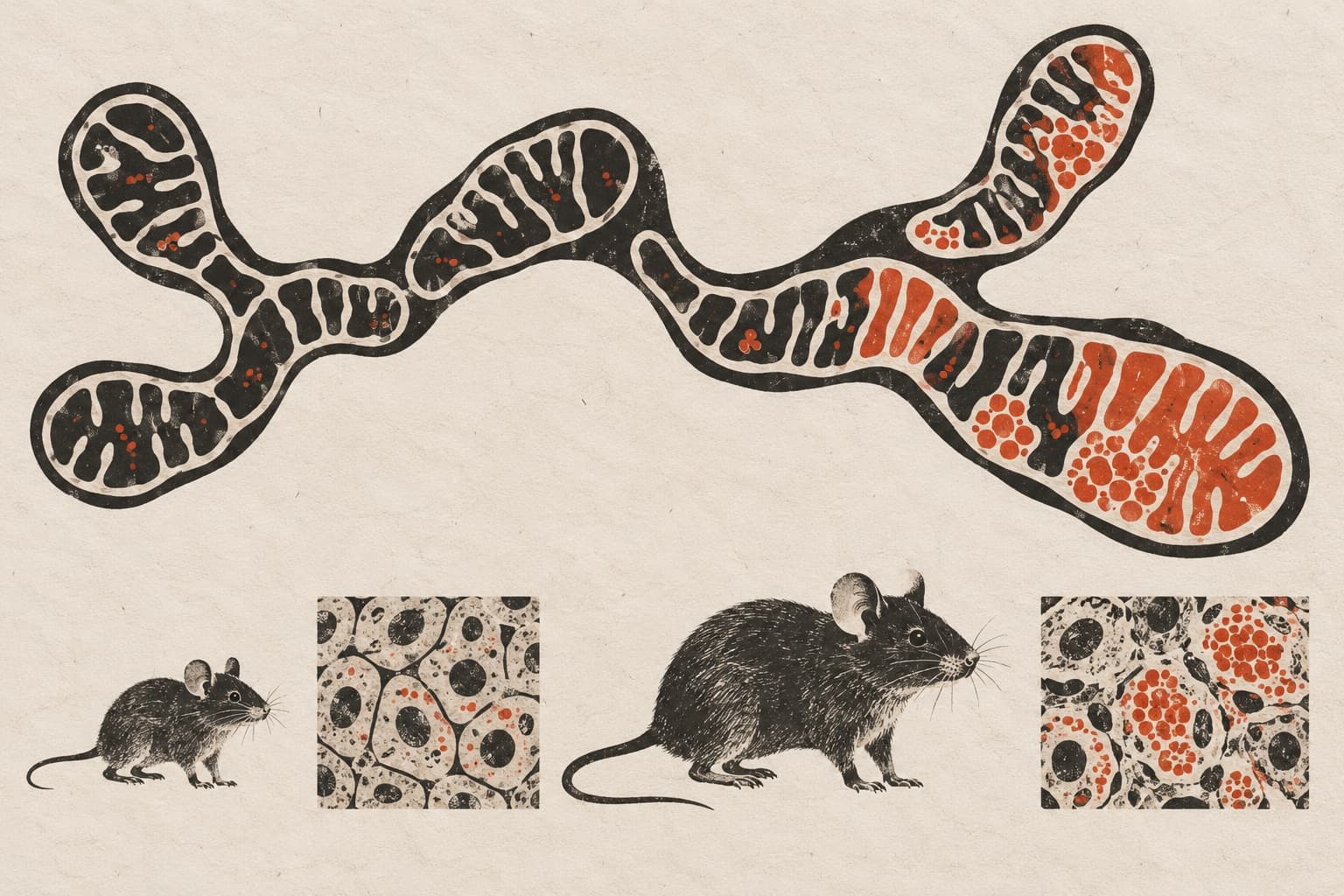
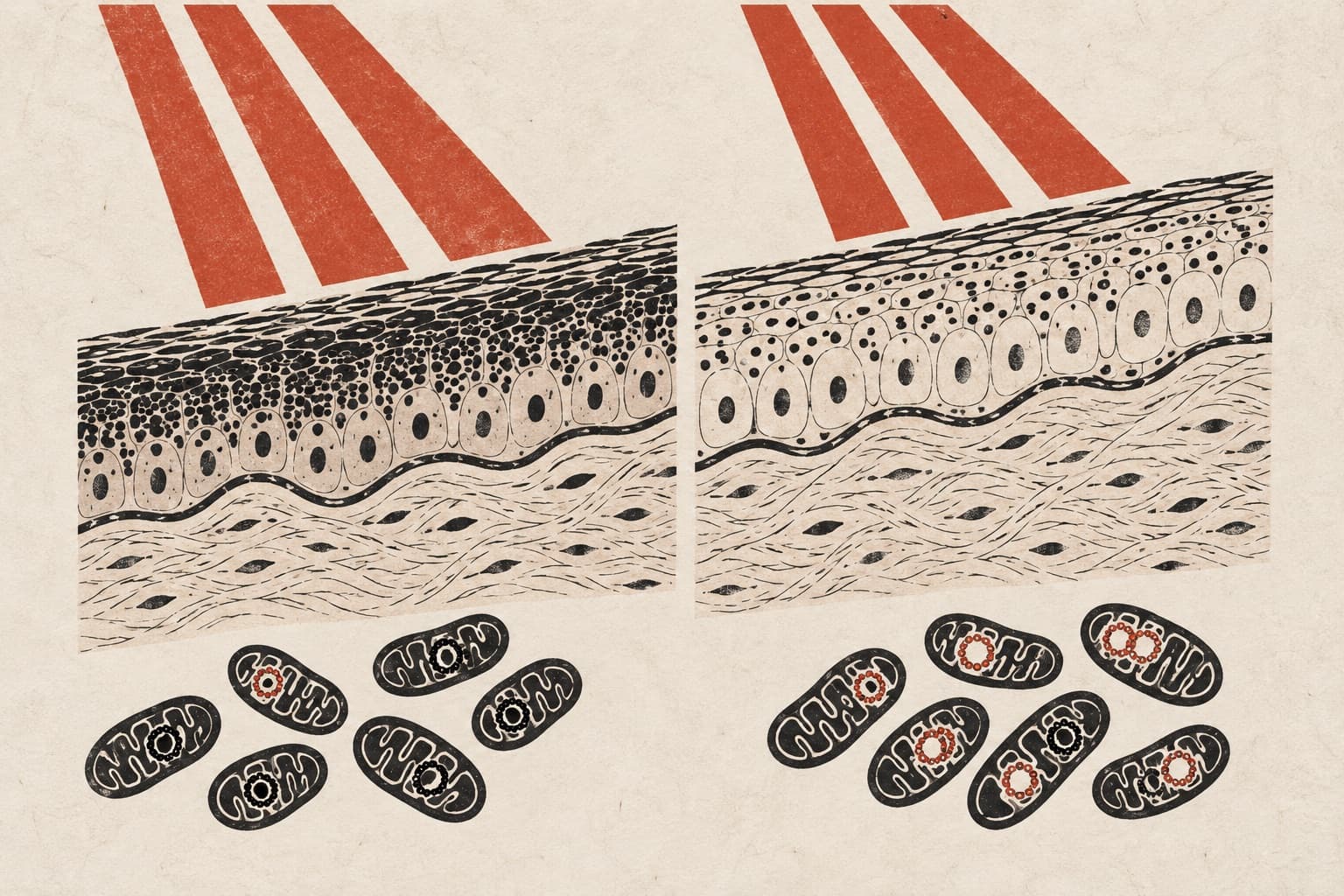
In Saccharomyces cerevisiae, an asymmetrical division model, mitochondrial (mt) DNA typically exists in a homoplasmic state, but mutations frequently occur. Rolling-circle replication, mediated by the mtDNA recombinase Mhr1p, forms tandem concatemers that are selectively transmitted to budding cells. In crosses between haploids with wild-type (ρ⁺) and hypersuppressive (HS) ρ⁻ mtDNA, ρ⁻ progeny are predominantly produced due to the replicative advantage of mtDNA with large deletions. We investigated the effects of caloric restriction (CR; 0.5% glucose medium) on mitochondrial distribution and found that ρ⁺ mtDNA-mitochondria are pre-selected in zygotes and transmitted into buds prior to mitochondrial fusion. This process, termed ρ⁺ mtDNA-mitochondrial preselection and transmission (ρ⁺ mtDNA-MPT), was validated by confocal imaging and flow cytometry analyses. The rate of ρ⁺ progeny increased under CR conditions compared to glucose-abundant media, suggesting that CR enhances ρ⁺ mtDNA-MPT and promotes the formation of wild-type mtDNA homoplasmy via an Mhr1p-dependent mechanism, which dominates mtDNA inheritance.
- Caloric restriction
- Mitochondrial DNA maintenance
- Mitochondrial fission and fusion
- Mitochondrion
- MHR1
- Yeast
The paper
RIKEN Center for Sustainable Resource Science
Scientific Reports, 17 Nov 2025