Integrated analysis of the transcriptome and proteome reveals that ABI3BP is involved in the pathogenesis of osteoarthritis
Abstract
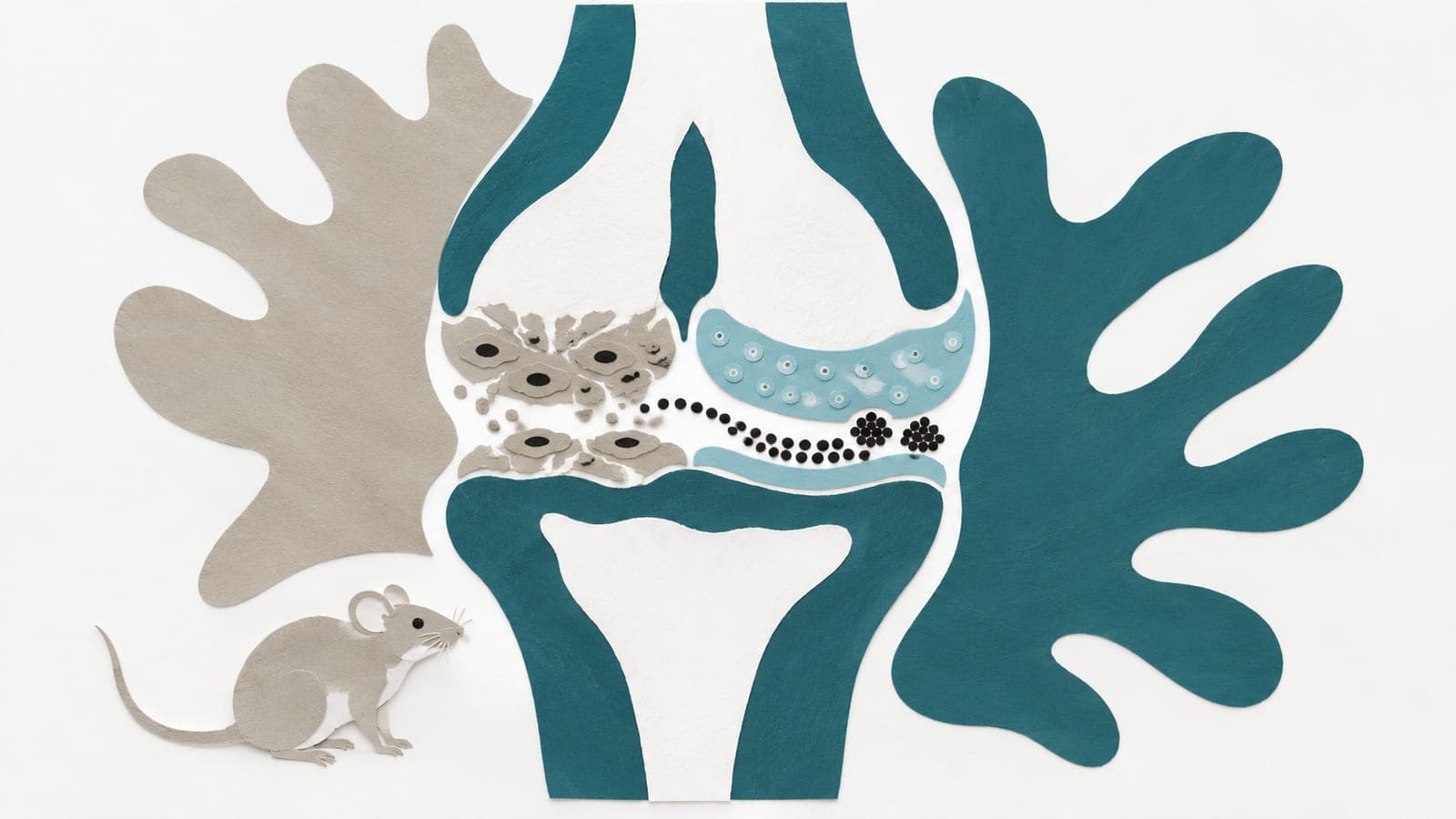
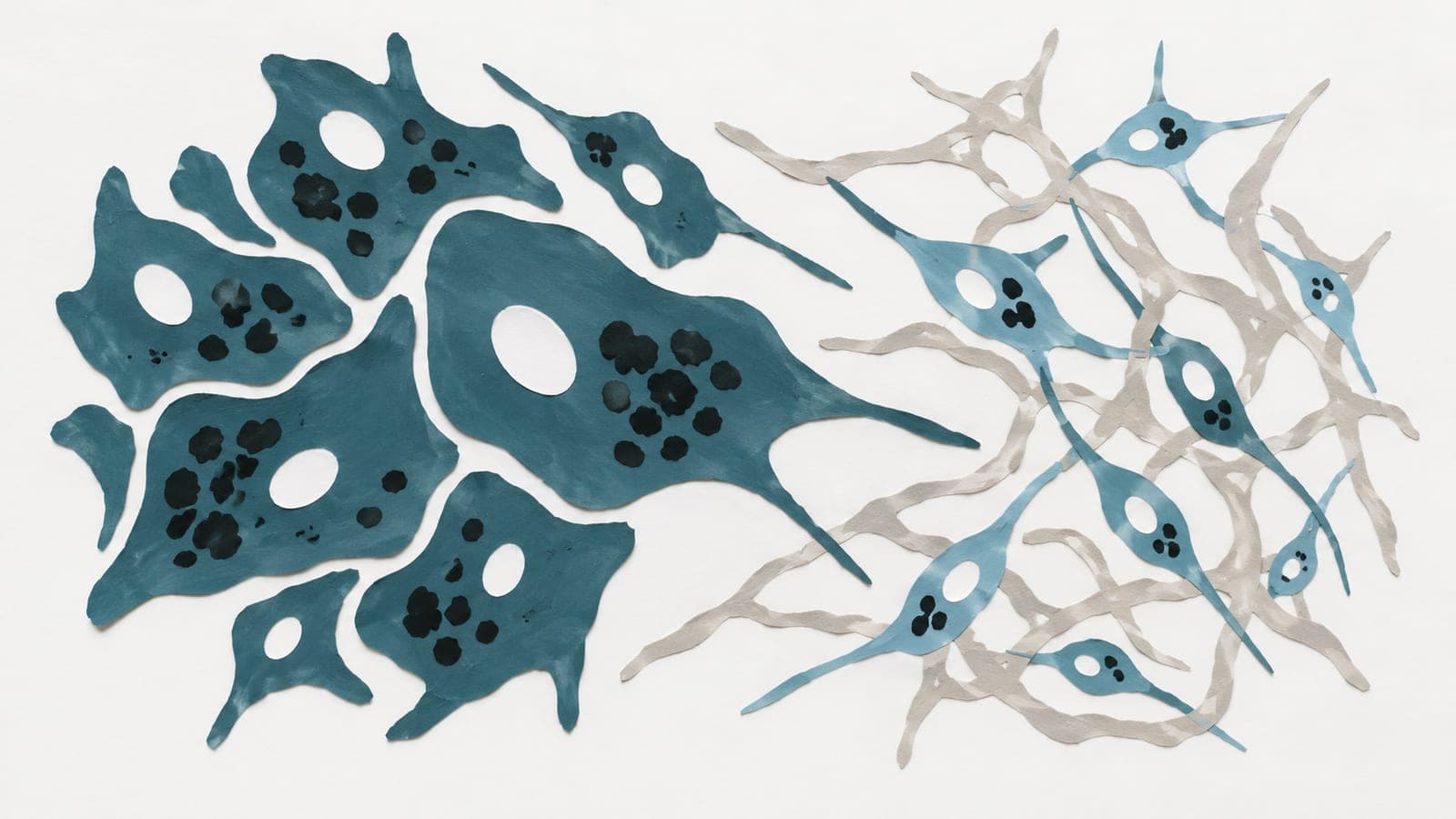
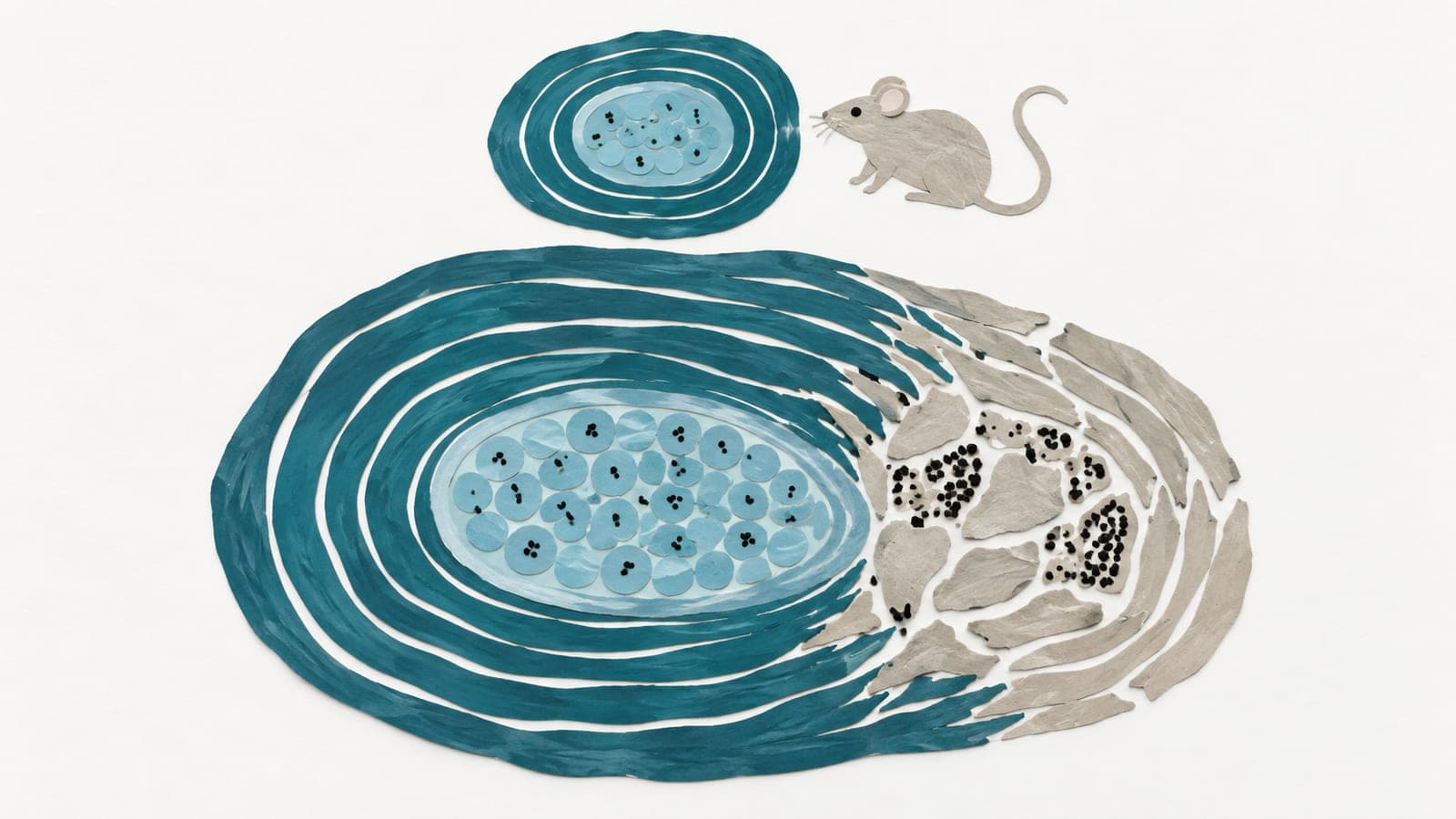
OBJECTIVE: Osteoarthritis (OA) is the most common degenerative joint disease mainly characterized by cartilage degradation, but the underlying molecular mechanisms remains unclear. This study aims to identify key genes, proteins, and pathways involved in OA progression using integrated transcriptomic and proteomic approaches. METHODS: Transcriptome and proteome profiles of lesioned (OA) and preserved (control) cartilage tissues were analyzed. Differentially expressed genes (DEGs) and differentially abundant proteins (DAPs) were identified, followed by functional enrichment analysis. Key candidates were validated using qRT-PCR and western blotting. The role of ABI3BP in chondrocyte senescence and catabolism was investigated by siRNA knockdown, SA-β-gal staining, and immunofluorescence for senescence markers (P16, P21). RESULTS: Omics analysis revealed 24 significantly altered genes/proteins, including upregulated ABI3BP, TGFBI, ANOS1, S100A4, and TNFAIP6, and downregulated METTL7A. Enriched pathways included extracellular matrix (ECM) organization, ECM-receptor interaction, and phenylalanine metabolism. ABI3BP was notably elevated in OA cartilage. Its knockdown mitigated IL-1β-induced ECM degradation and reduced the level of senescence-associated markers, suggesting a protective effect against OA progression. CONCLUSIONS: The results provided a comprehensive molecular profile of OA cartilage, highlighting ABI3BP as a regulator of chondrocyte senescence and ECM homeostasis. Targeting ABI3BP may offer a novel therapeutic strategy for OA treatment. SIGNIFICANCE OF THE STUDY: This study provides multi-omics insights into the molecular mechanisms of osteoarthritis (OA), particularly focusing on cartilage degeneration. By integrating transcriptomic and proteomic analyses, we identified key dysregulated genes/proteins (ABI3BP, TGFBI, ANOS1, S100A4, TNFAIP6, and METTL7A) and highlighted their roles in extracellular matrix (ECM) disruption, cellular senescence, and inflammatory responses. Notably, ABI3BP was found to be upregulated in OA cartilage and functionally linked to chondrocyte catabolism and senescence. Its knockdown ameliorated IL-1β-induced damage, suggesting its potential as a novel therapeutic target for OA. These findings deepen our understanding of OA pathogenesis and pave the way for future targeted interventions.
The paper
Henan University
Journal of Proteomics, 11 Nov 2025