Ramelteon Ameliorates Isoflurane-Induced Hyperactivity and Social-Recognition Impairment in Aged Mice
Abstract
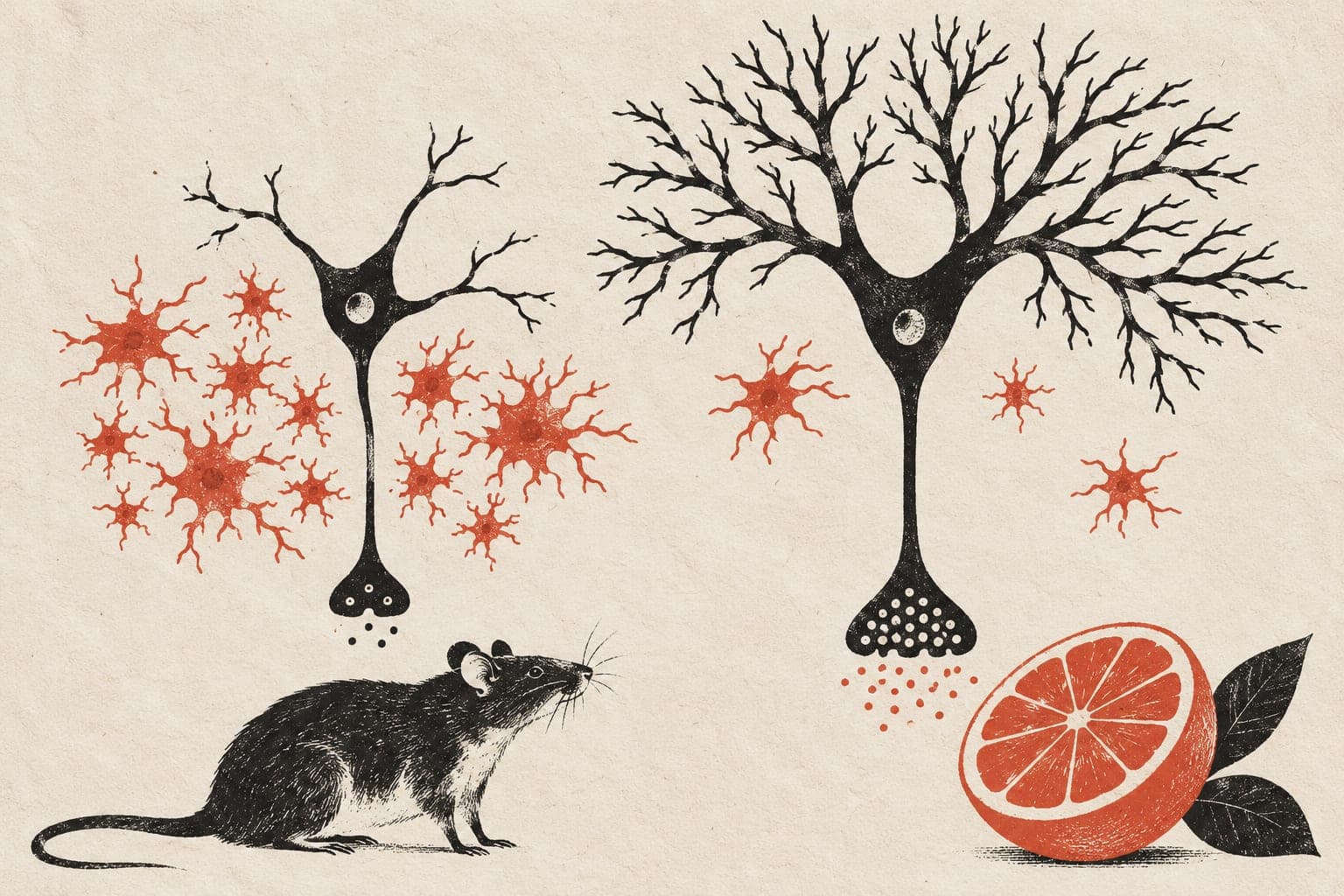
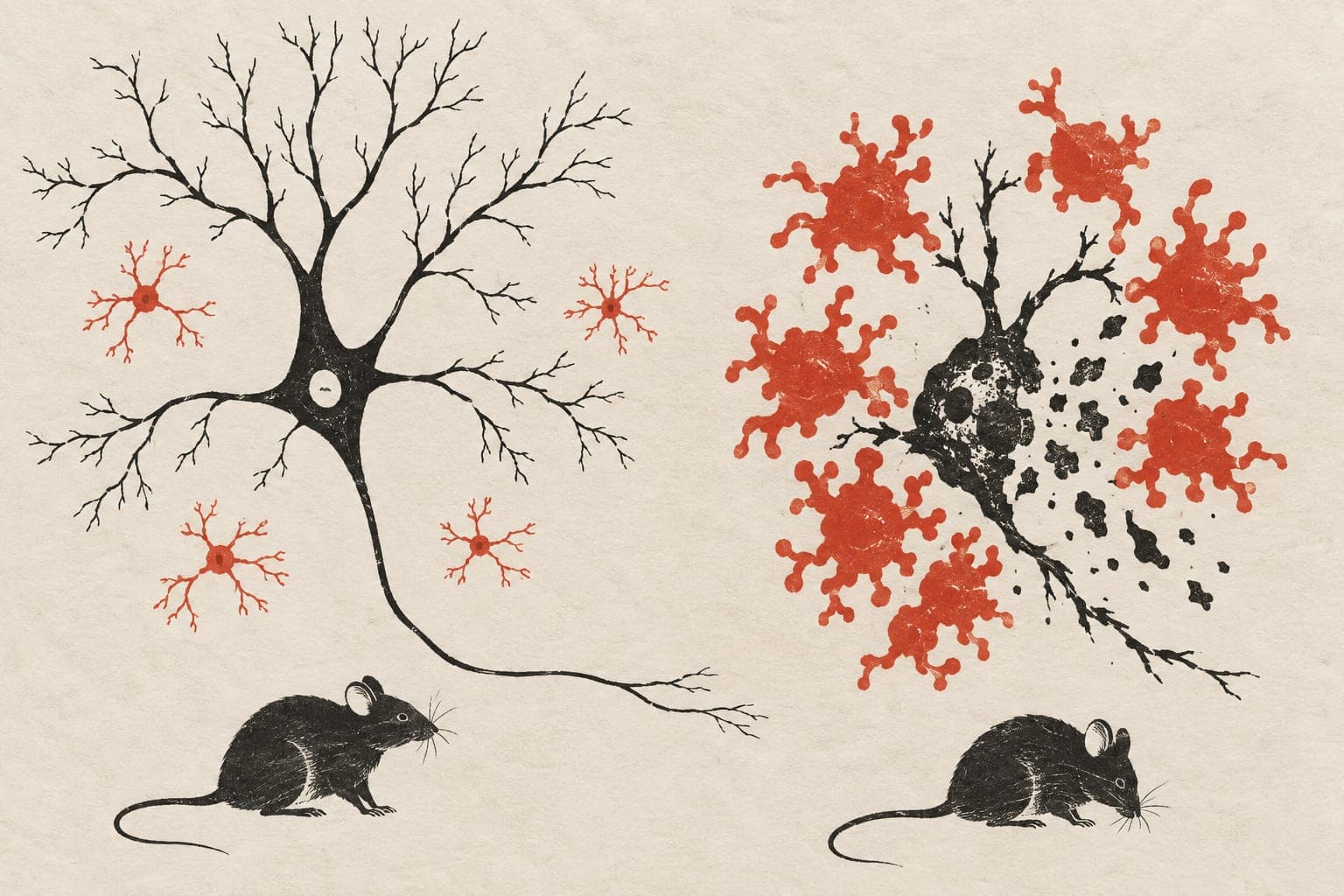
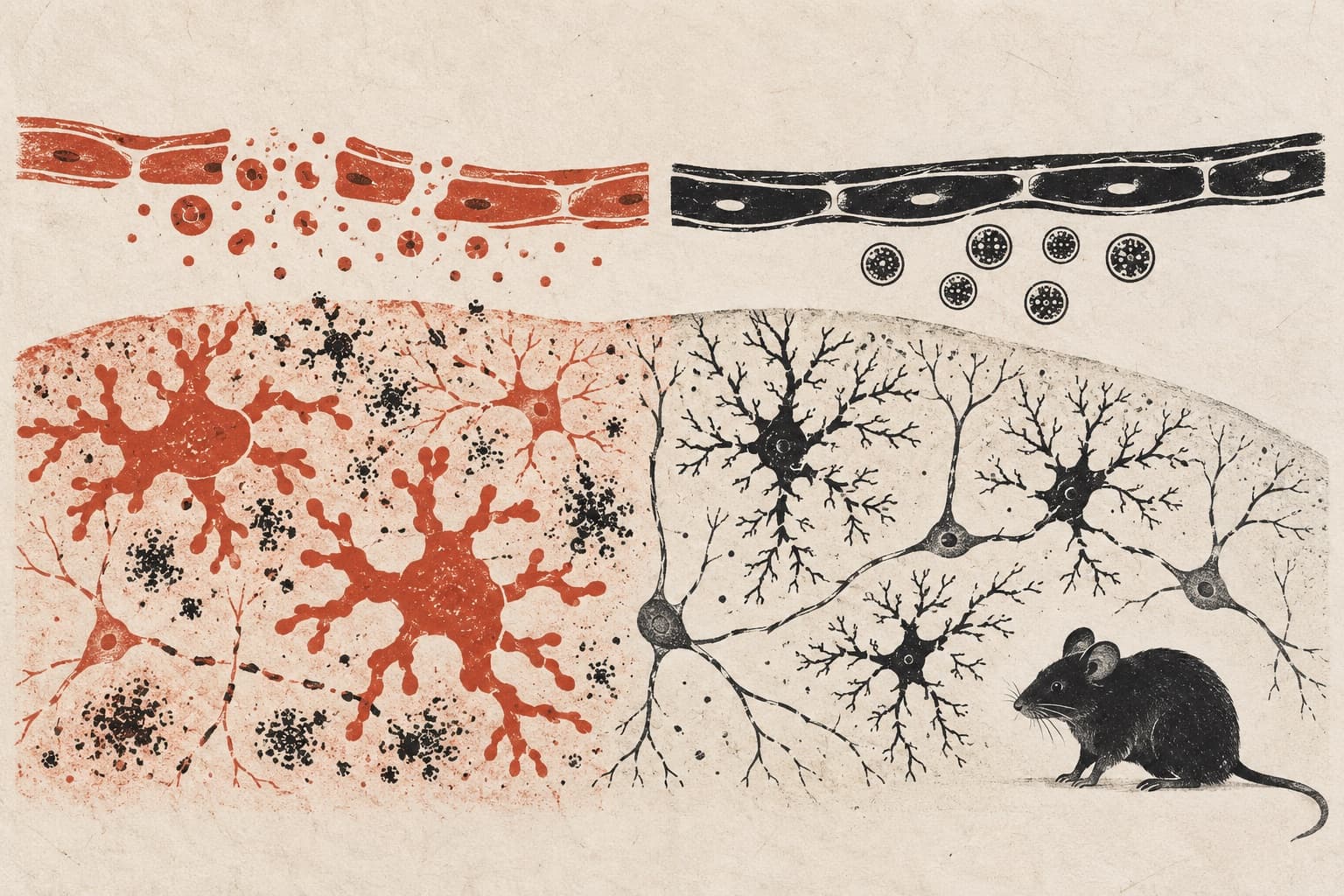
BACKGROUND: Ramelteon, a melatonin receptor agonist, has been reported to alleviate postoperative delirium (POD), although its efficacy remains controversial. The mechanisms of ramelteon's effects are unclear and few animal studies have addressed POD-related behavioral and molecular changes. We investigated the specific postoperative behavioral and molecular changes that result from ramelteon pretreatment. METHODS: Ramelteon (0.03 or 0.3 mg/kg, p.o.) was given to mice once a day for 7 consecutive days before abdominal laparotomy under 2 h of isoflurane anesthesia. Postoperative locomotor activity was monitored for 7 days using s.c.-implanted Nano-tag devices in the dorsal region of aged mice (70-80 weeks). One day after surgery, a social interaction test was administered that used a habituation-discrimination paradigm to evaluate social recognition, specifically the ability to distinguish a novel aged intruder from a familiar young intruder after exposure to the latter. Working memory and related cognitive functions were evaluated using the Y maze and novel-object recognition tests. Cytokine levels and microglial activation in the prefrontal cortex and hippocampus were analyzed by western blotting 24 h post-surgery. RESULTS: Isoflurane anesthesia for 2 h did not impair spontaneous alternation in the Y maze or performance in the novel-object recognition test. However, it induced prolonged hyperactivity and a decrease in social-recognition performance. Pretreatment with ramelteon at a dose of 0.3 mg/kg, but not 0.03 mg/kg, attenuated postoperative hyperactivity and preserved normal social recognition. Furthermore, ramelteon significantly reduced isoflurane-induced elevation of interleukin-1β in the prefrontal cortex but not in the hippocampus. CONCLUSION: Isoflurane anesthesia combined with abdominal surgery was associated with prolonged hyperactivity and impaired social recognition, although other cognitive domains such as working memory appeared to remain unaffected. Ramelteon appeared to alleviate these behavioral and neuroinflammatory changes, suggesting its potential for preventing certain postoperative neurobehavioral alterations.
The paper
Ohu University
Journal of Integrative Neuroscience, 15 Oct 2025