A Self-Assembling Senolytic Prodrug with Enhanced Bioavailability and Selective Activation for Targeting Senescent Retinal Pigment Epithelium
Abstract
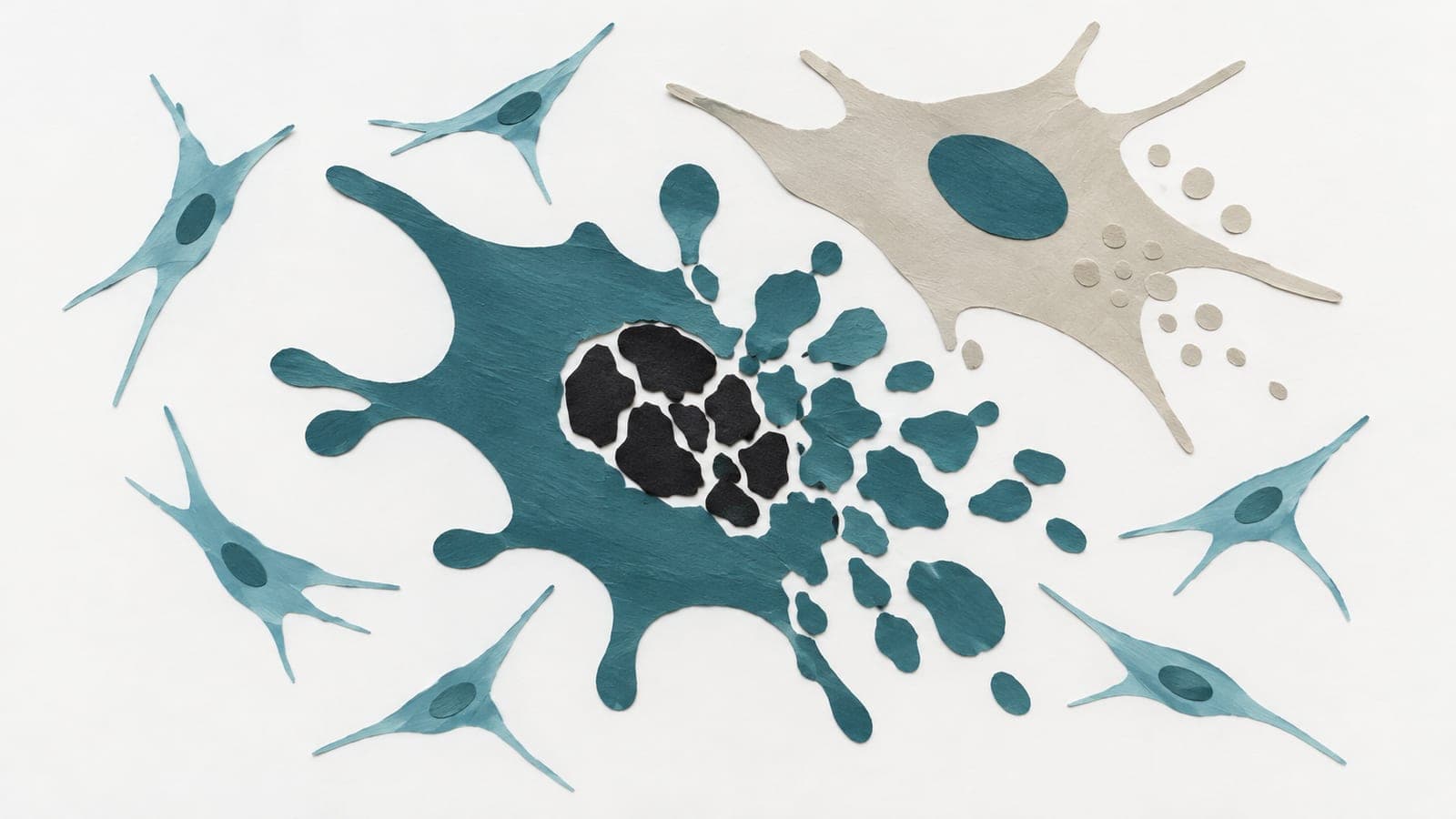
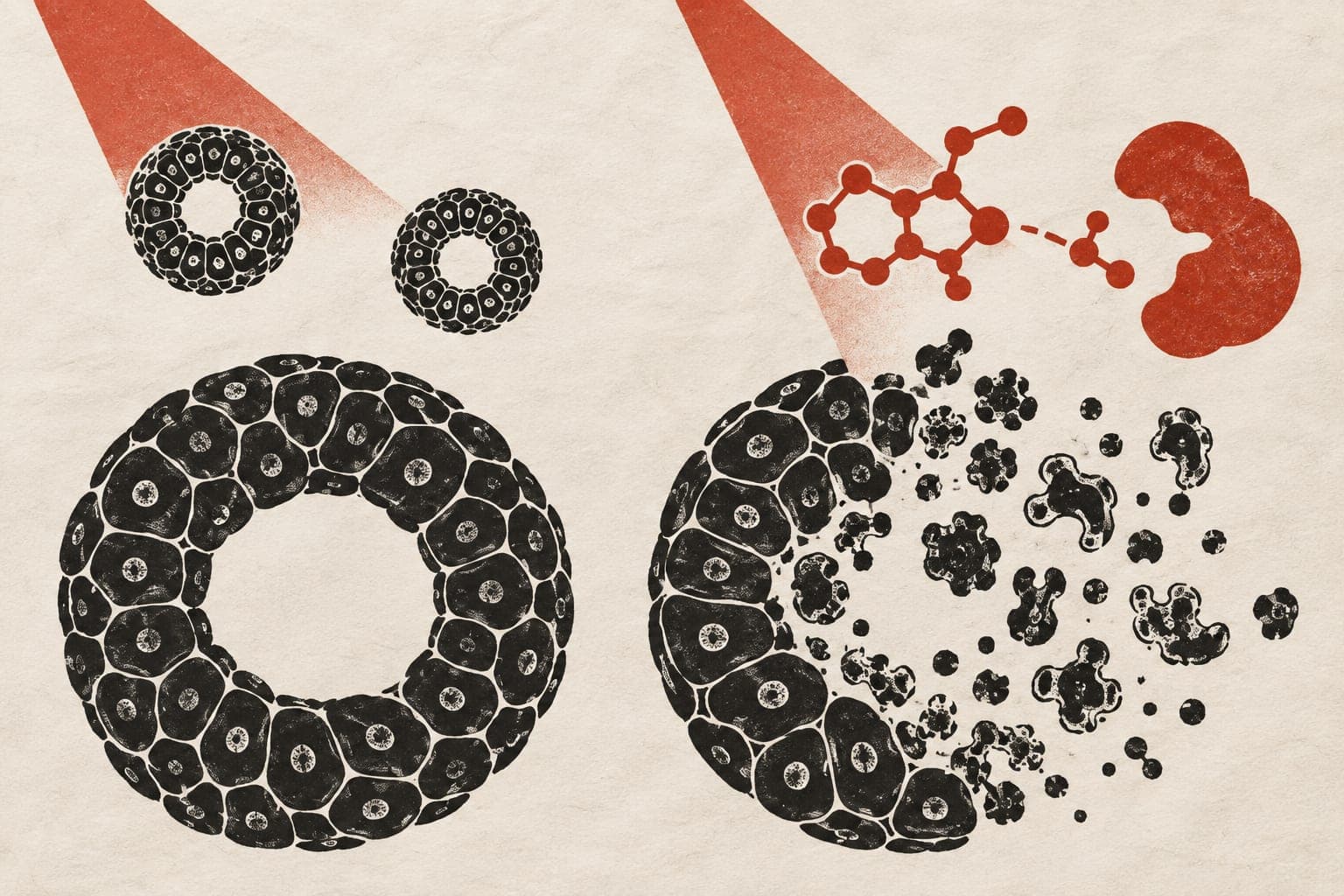
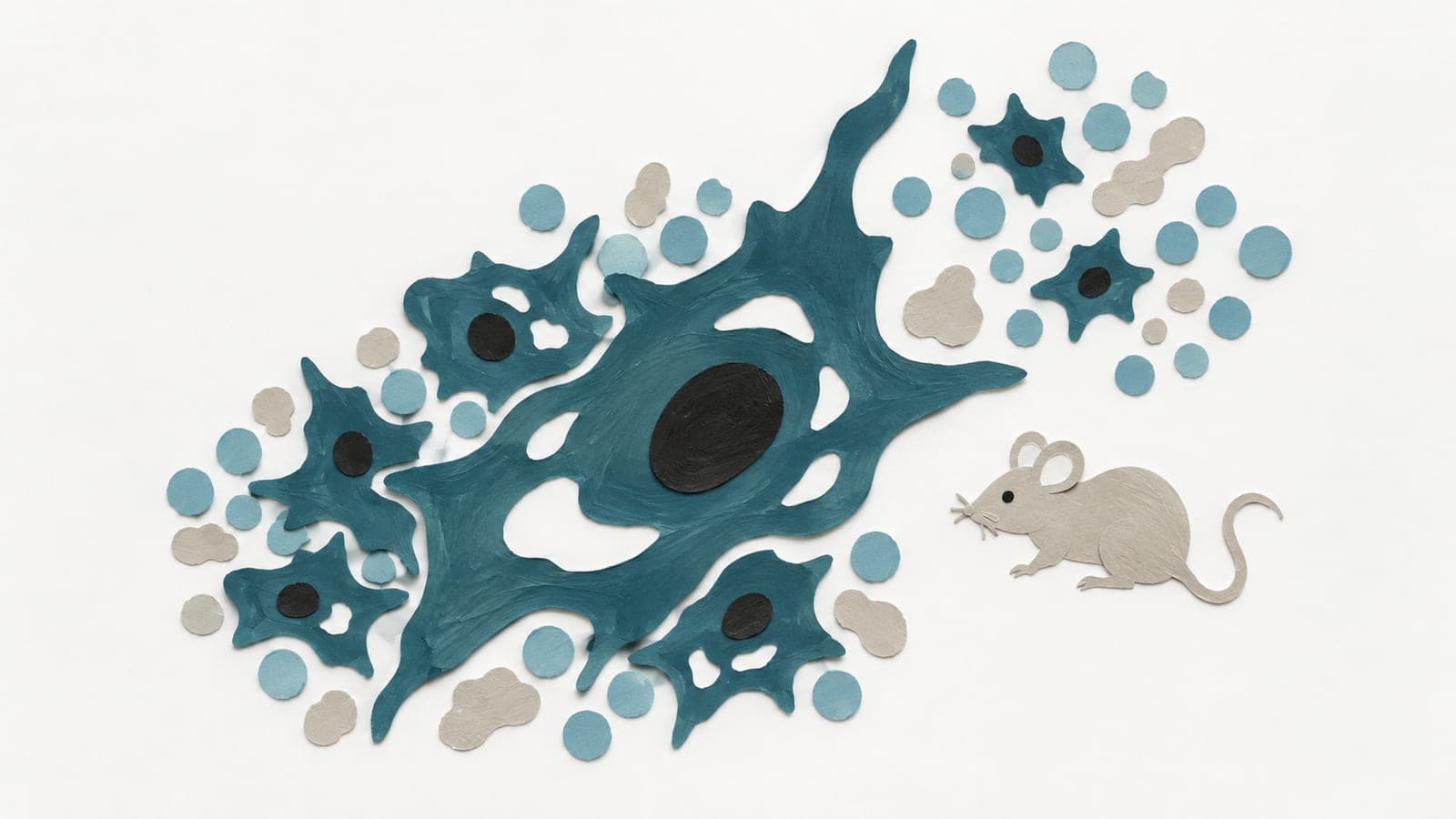
Senolytic therapy, which targets and selectively eliminates senescent cells, has emerged as a promising strategy for treating various age-related diseases. However, its clinical application is often limited by poor bioavailability, off-target toxicity, and the need for invasive administration routes. To overcome these challenges, we developed N201-gal, a novel β-galactosidase-reactive senolytic prodrug that self-assembles into stable nanoparticles, enabling oral administration and improved systemic bioavailability. Once internalized by senescent cells, N201-gal responds to β-galactosidase overexpression, triggering controlled drug release and inducing selective apoptosis in senescent cells while sparing normal cells. The nanoparticle formulation exhibited favorable physicochemical properties, including uniform particle size and pH stability suitable for gastrointestinal absorption. In vitro study shows that N201-gal demonstrated potent senolytic activity and reduced the expression of senescence-associated markers in retinal pigment epithelial (RPE) cells. In addition, in vivo study also shows that oral administration of N201-gal in a mouse model of doxorubicin-induced retinal senescence model significantly restored retinal tissue integrity and visual function through the targeted clearance of senescent cells. These findings highlight the potential of self-assembling senolytic prodrugs as a noninvasive and targeted therapeutic platform for age-related degenerative diseases.
The paper
Ulsan National Institute of Science and Technology
Biomaterials Research, 1 Oct 2025