Hierarchical ROS-scavenging platform breaks vicious cycle of stem cell senescence, angiogenesis arrest, and immune dysregulation in diabetic wounds
Abstract
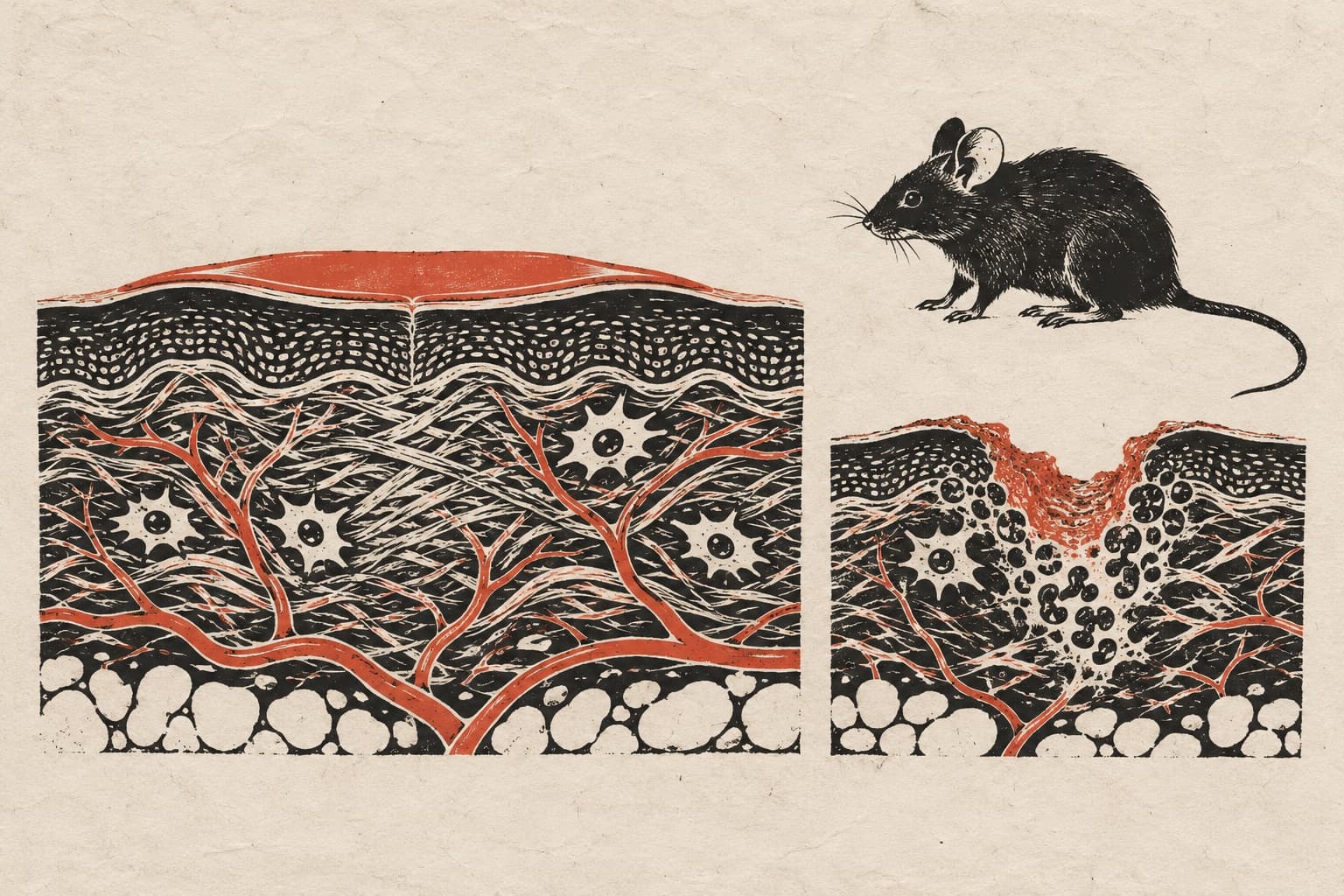
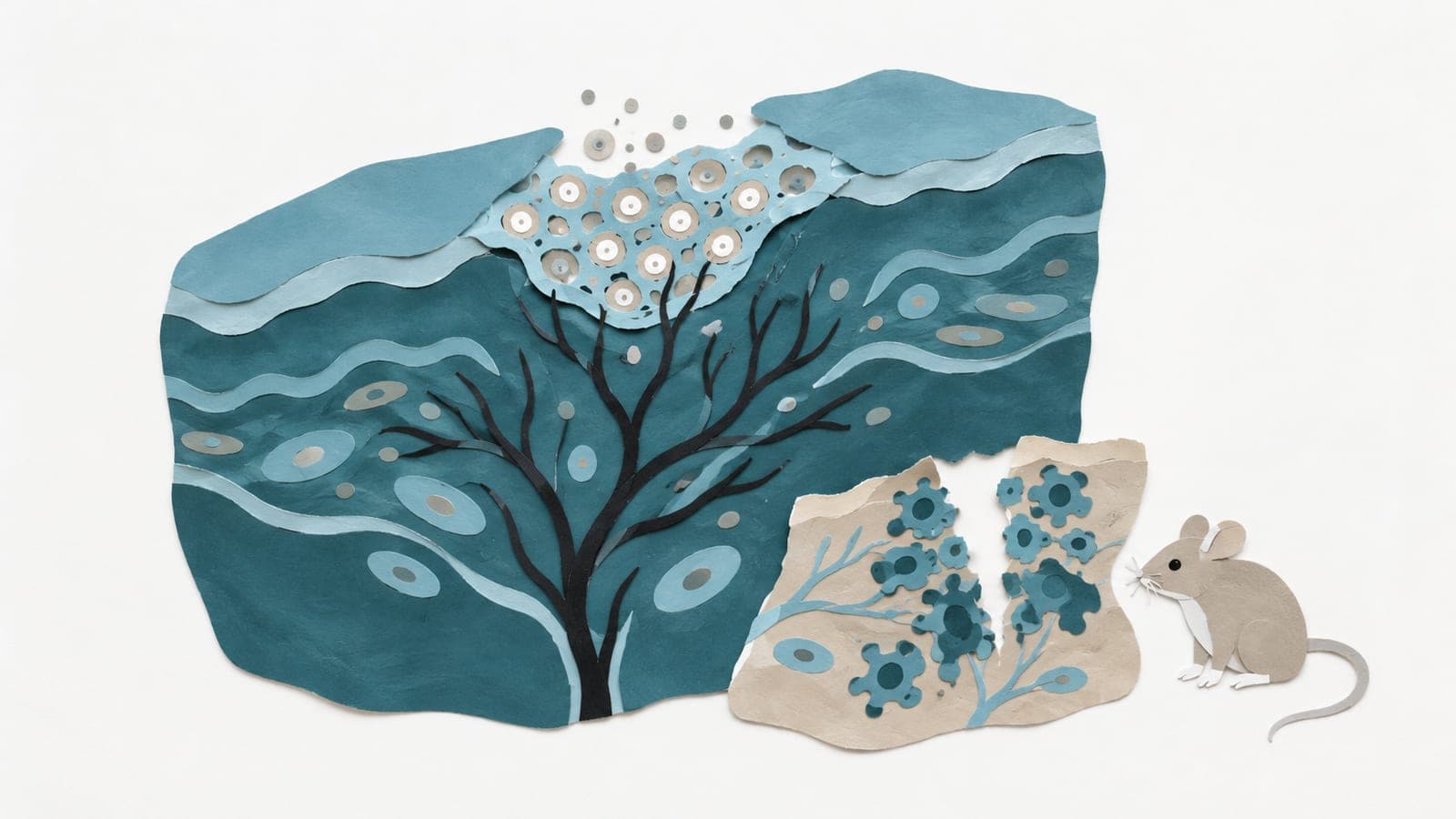
Diabetic chronic wounds represent a formidable clinical challenge, driven by a pathological vicious cycle of reactive oxygen species (ROS)-induced oxidative stress, stem cell senescence, angiogenesis arrest, and immune dysregulation. Herein, we developed a hierarchical ROS-scavenging platform integrating nanoscale calcium hydride (CaH₂) within a microneedle (MN) patch to disrupt this degenerative cascade. Upon dissolution in wound exudate, CaH₂ nanoparticles react with water to generate sustained release of hydrogen gas (H₂) and calcium ions (Ca²⁺). The liberated H₂ directly neutralizes cytotoxic ROS, thereby reversing stem cell senescence and restoring their paracrine secretion of pro-angiogenic factors, while concomitantly reprogramming macrophages toward pro-regenerative M2 phenotypes. Simultaneously, Ca²⁺ synergizes with H₂ to activate endothelial cell migration and tubulogenesis, fostering robust vascular network formation. By concurrently resolving oxidative stress, stem cell senescence, angiogenesis arrest, and immune dysregulation, the CaH₂-MN system breaks the vicious cycle to reshape the wound microenvironment into a pro-regenerative state. In diabetic murine models, this approach accelerated wound closure, enhanced neovascularization, and reduced inflammatory infiltration. This multiscale intervention paradigm provides a blueprint for intercepting pathological cascades in diabetic wounds.
The paper
Northwestern Polytechnical University
Journal of Controlled Release, 19 Sep 2025