Epigenetics in intestinal stem cells: Molecular mechanisms underpinning the guardians of homeostasis in health and aging-related senescence
Abstract
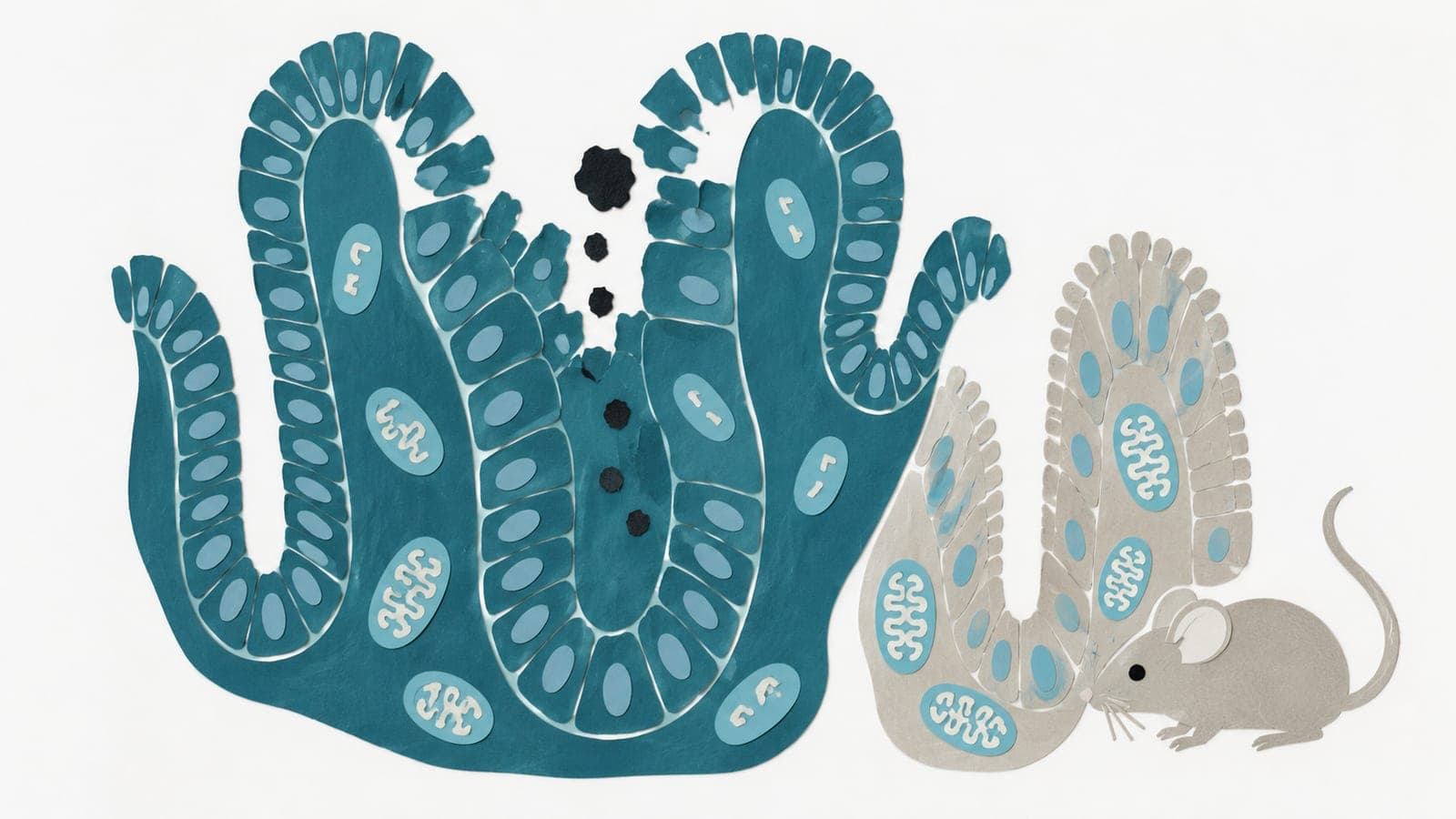
The intestine is a vital organ of the digestive system, with its function largely reliant on the continuous regeneration of mucosal epithelial cells by healthy intestinal stem cells (ISCs). However, as we age, the regenerative potential of ISCs declines, primarily due to deleterious aging processes, such as cellular senescence, which contribute to the development of various chronic gut diseases. A growing body of evidence indicates that both healthy ISCs, which maintain intestinal homeostasis, and aging-associated senescent ISCs are profoundly influenced by epigenetic mechanisms. At the molecular level, dynamic and often reversible epigenetic modifications including chromatin remodeling, histone modifications, DNA methylation, N6-methyladenosine (m⁶A) modifications, and non-coding RNAs (long non-coding RNAs, circular RNAs, and microRNAs) play a pivotal role in modulating ISCs gene expression and function. This review explores the role of epigenetics in regulating ISCs stemness, proliferation, differentiation, and plasticity to maintain epithelial homeostasis, as well as the impact of aging-associated epigenetic changes on these processes. A deeper understanding of these mechanisms may inform researchers on the development of translational approaches, therapeutic strategies, and effective interventions aimed at enhancing the regenerative capacity of gut ISCs and mitigating the onset of age-related gut disorders.
- Cell cycle regulation
- Cellular homeostasis
- Cellular senescence
- Chromatin and 3D genome organisation
- DNA methylation
- Epigenetic regulation of gene expression
The paper
Guangxi University of Chinese Medicine; Tianjin University of Traditional Chinese Medicine
Pathology, Research and Practice, 28 Aug 2025, Open access