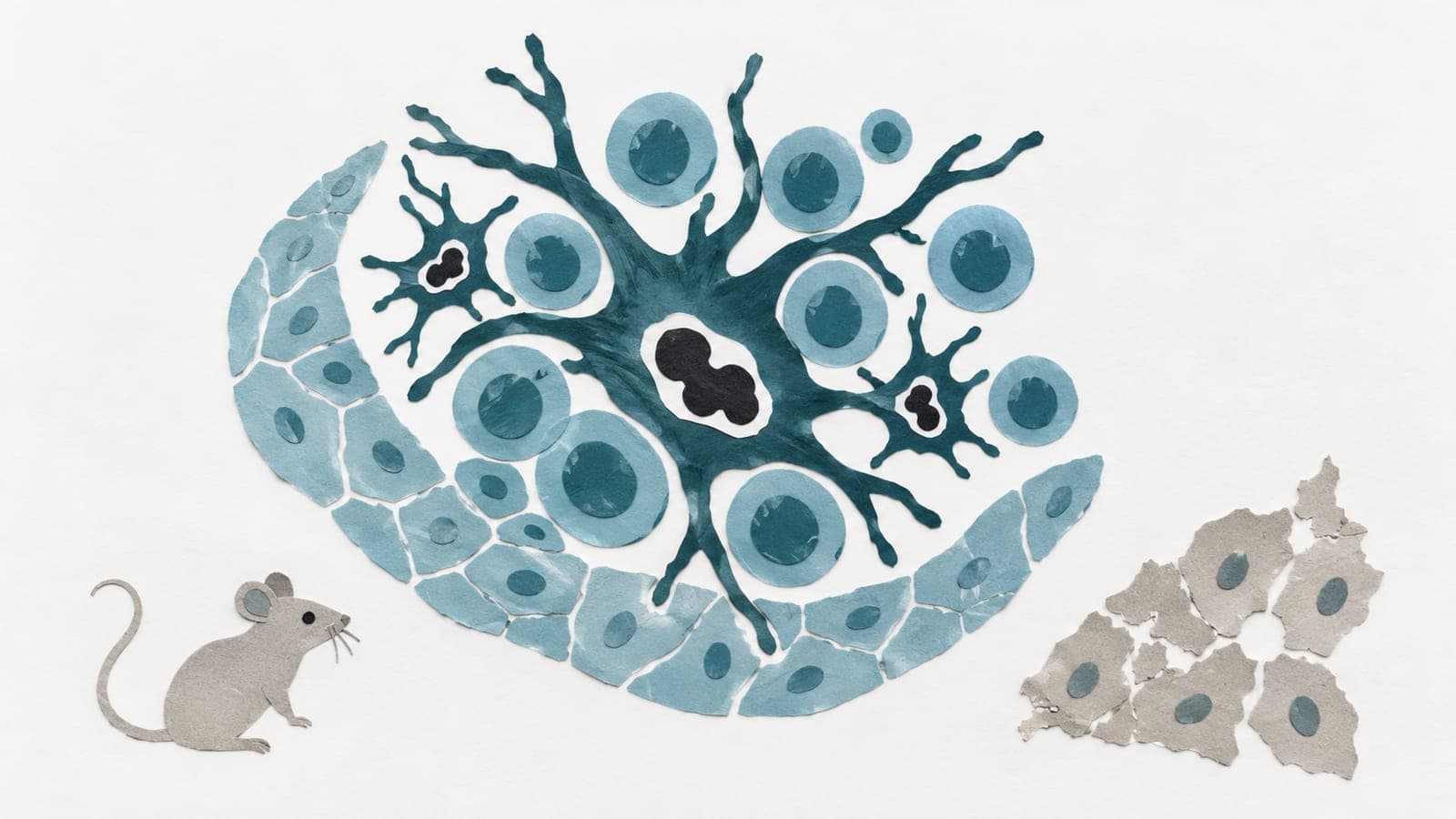
An age-related decrease in leptin contributes to CD8⁺ T cell aging in the tumor microenvironment
Abstract
T cell dysfunction with age underlies an increased incidence of cancer in elderly individuals; however, how T cell aging is triggered in the tumor microenvironment is unclear. Here, we show that an age-associated reduction in adipocyte-derived leptin contributes to the accumulation of tumor-infiltrating senescent CD8⁺ T cells. Single-cell profiling of human and mouse cancer tissues reveals that the frequency of intratumoral senescent CD8⁺ T cells increases with age, leading to a weak antitumor effect. Moreover, decreased levels of adipocyte-derived leptin are an indispensable factor for CD8⁺ T cell aging. Leptin signaling prevents p38-dependent CD8⁺ T cell senescence. Furthermore, plasma leptin levels are negatively related to intratumoral CD8⁺ T cell senescence in cancer patients. Our findings identify an unappreciated interplay between metabolic perturbation and T cell aging and suggest that modulating adipocyte-derived leptin levels may be a promising therapeutic strategy for older cancer patients.
- Cellular senescence
- Immune response
- p38 MAPK signalling
- Cancer
- Intratumoral senescent CD8+ T cell frequency
- Humans
The paper
Shanghai Jiao Tong University
Cell Reports Medicine, 25 Aug 2025