Rapamycin coated selenium nanoparticles relieve oxidative senescence of vascular endothelium by mitophagy
Abstract
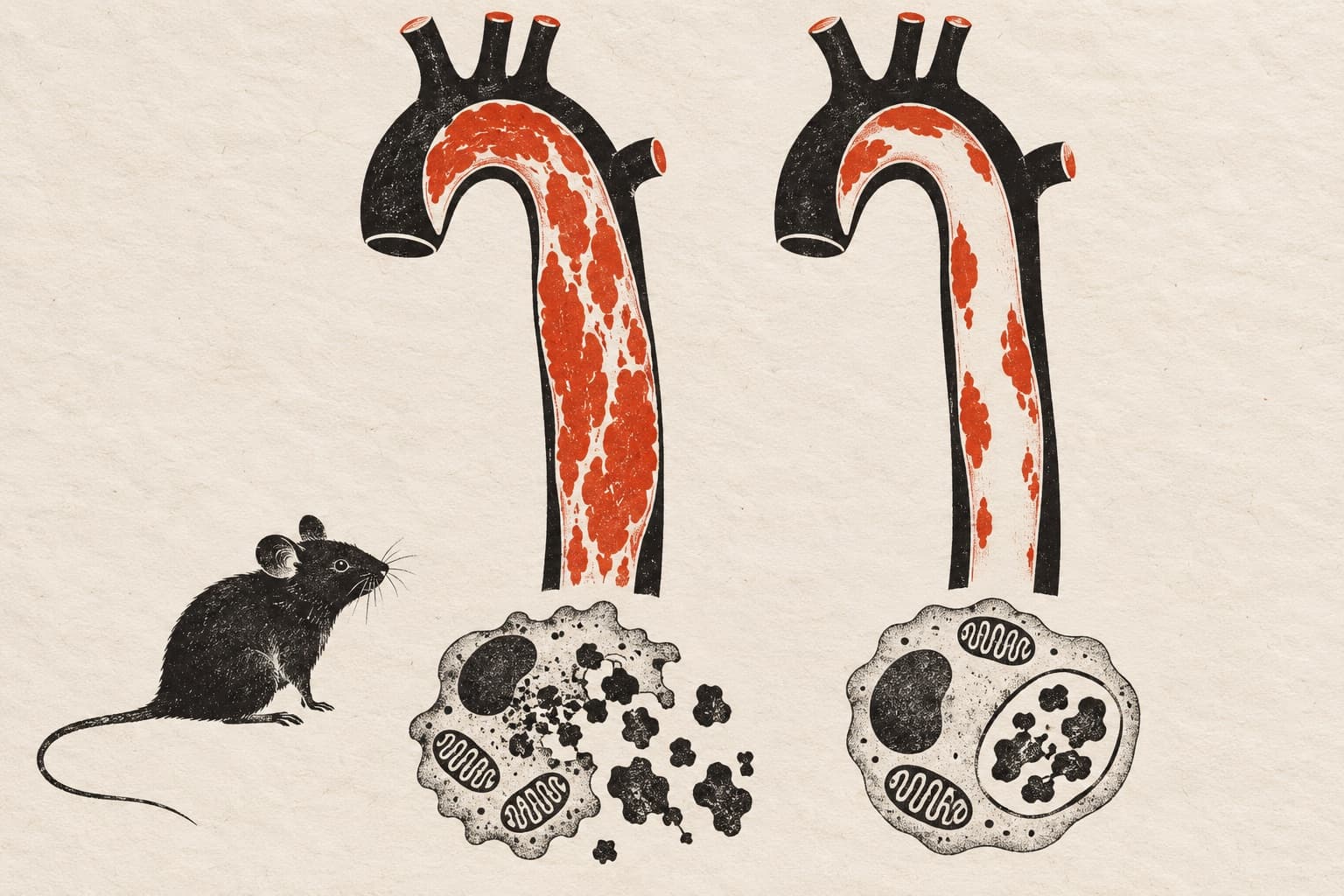
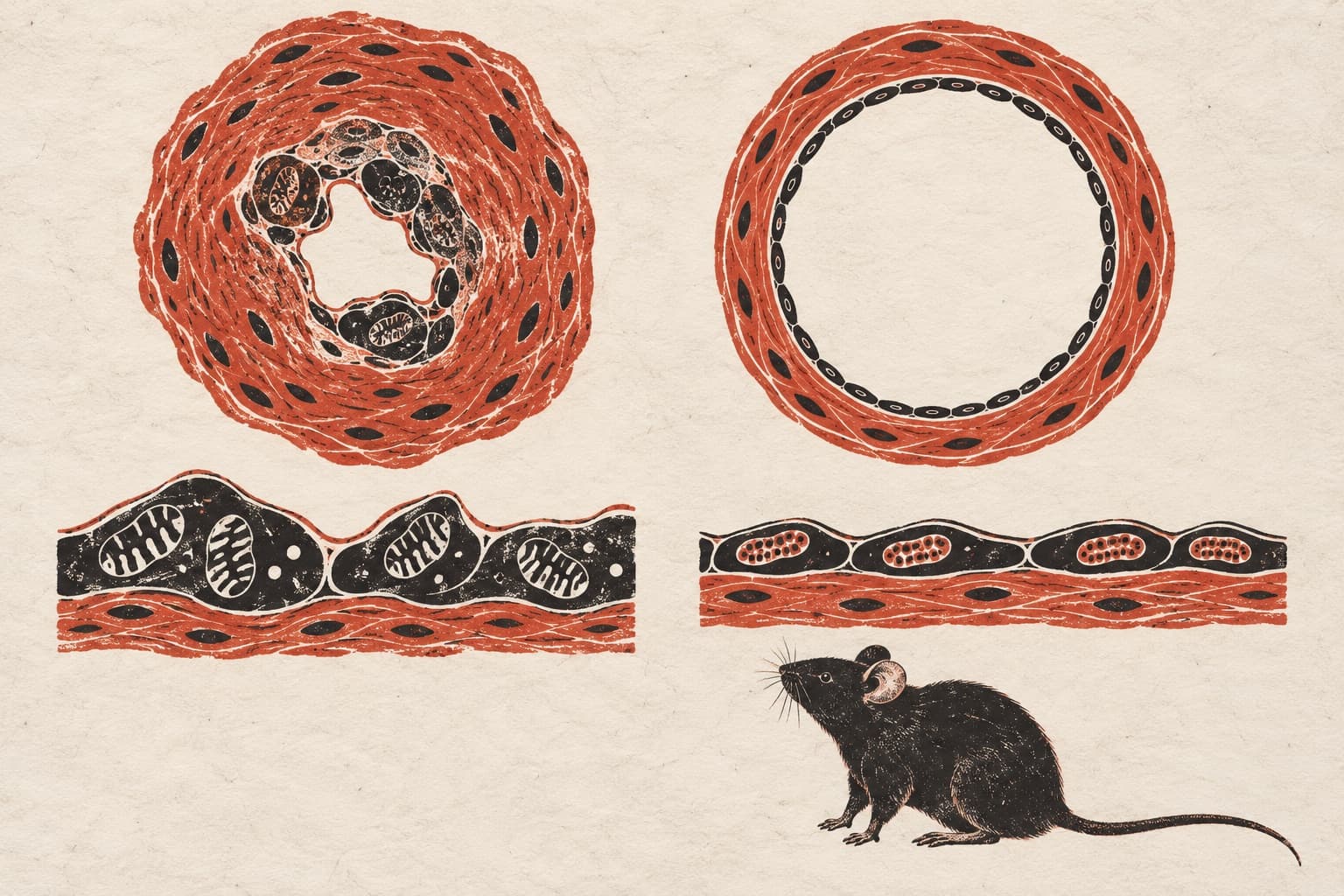
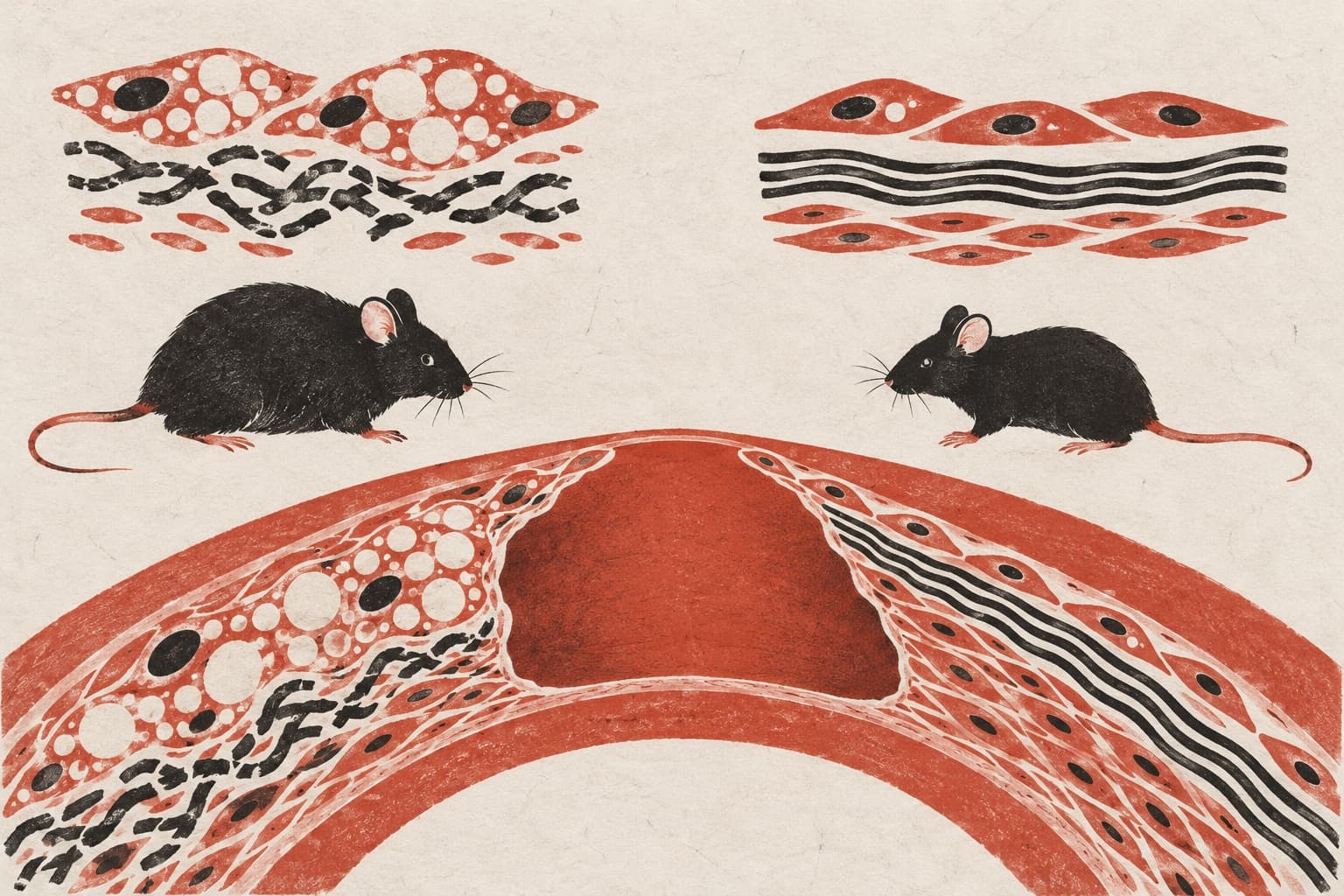
Rapamycin (RPM) extends longevity in various species and combats vascular senescence related diseases. Selenium nanoparticles (SeNPs) have attracted attention as a potential therapy for cardiovascular diseases due to their excellent antioxidant and drug-carrying capacity. However, RPM coated SeNPs (RPM-SeNPs) have not been reported and their potential for preventing endothelial oxidative senescence remains unclear. In the present study, RPM-SeNPs were generated by selenite and RPM with ascorbic acid reduction. Stability and dispersity of SeNPs were increased by coating with RPM, resulting in an average diameter of 67.51 ± 2.07 nm with a RPM:Se molar ratio of 1:120. Notably, RPM-SeNPs exhibited ameliorative effects on oxidative endothelial senescence in mouse aortas or MAECs induced by paraquat or hydrogen peroxide, respectively. There were evidenced by decreased SA-β-gal activity, lower SASP levels, and decreased endothelial dysfunction. Mechanically, RPM-SeNPs reduced oxidative stress in endothelial cells by upregulating GPX4, particularly mitochondrial GPX4 (mtGPX4) that mitigated of ROS and relieved mitochondria dysfunction. By downregulating the PI3K/Akt/mTOR pathway, RPM-SeNPs inhibited ULK1 phosphorylation at Ser757, subsequently leading to the activation of mitophagy and the reversal of mitochondrial dysfunction, including mitochondrial membrane potential collapse and ATP deficiency. Thus, these results suggest that RPM-SeNPs rescue endothelial cells from oxidative stress induced senescence by upregulating mtGPX4 and activating mitophagy. These results provide insight into the mechanisms of functionalizing SeNPs for potentially treating senescence-related diseases.